
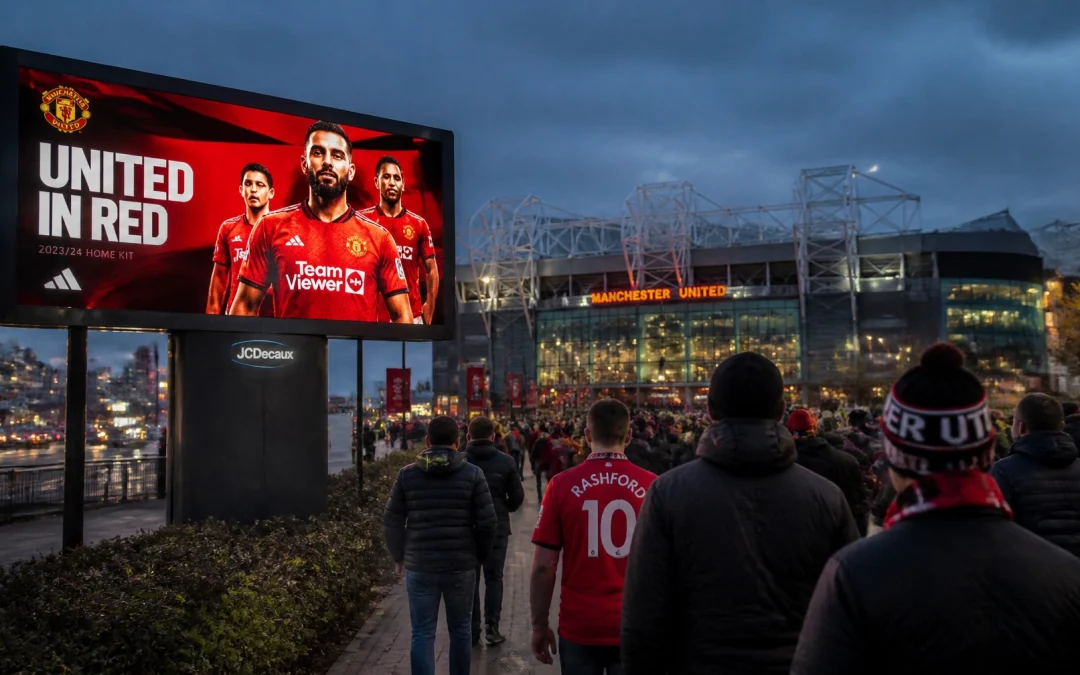
Sports marketing is often a race to capture the attention of a highly distracted audience. For brand managers and creative directors, the challenge is not just reaching the fan, but reaching them when their emotional investment is at its peak. Traditional strategies frequently concentrate efforts inside the stadium or on social media feeds. However, this approach ignores a critical window of opportunity: the physical journey a fan takes to and from the venue.
When fan engagement strategies fail, it is often because they overlook the surrounding environment. Stadium perimeter advertising, specifically digital out-of-home (DOOH) assets within a 10-mile radius of a venue, offers a solution to these common pitfalls. By placing brand messages on the roads, transit hubs, and walkways fans frequent, a brand can become a part of the game day ritual rather than an interruption.
Here are seven common mistakes currently being made in fan engagement and the strategic ways perimeter advertising addresses them.
1. Starting the Conversation Too Late
A common error in sports marketing is waiting until a fan has entered the stadium to begin the brand experience. By the time a ticket is scanned, the fan is often focused on finding their seat, locating concessions, or meeting friends. The "arrival window": the period during the commute and the approach to the stadium: is when anticipation is highest.
Perimeter advertising allows brands to engage fans during this high-anticipation phase. Digital billboards and street-level displays located along primary transit routes catch the eye when fans are actively looking for information or entertainment. This early engagement sets the tone for the day, ensuring the brand is top-of-mind before the first whistle blows.
2. Over-Reliance on Mobile and In-App Engagement
Mobile devices are a primary tool for fan interaction, yet they are also a primary source of distraction. During a live event, fans are bombarded with group chats, social media notifications, and live score updates. Breaking through this digital noise is increasingly difficult. Relying solely on push notifications or in-app ads means competing with a "wall of digital noise" that fans have learned to filter out.
Stadium perimeter advertising provides a physical, unskippable presence. Unlike a mobile ad that can be swiped away, a large-format LED board near a stadium entrance or a digital kiosk at a transit hub commands physical space. It acts as a shared "second screen" for the crowd, reinforcing brand messages without requiring an app download or a data connection. This physical touchpoint ensures the message is seen, even when the phone is in a pocket.

3. Using Static Creative in a Dynamic Live Environment
The beauty of sports lies in its unpredictability. A last-minute goal, a sudden change in weather, or a major rivalry creates a specific emotional state for the fan. Using generic, static creative that remains the same all season ignores this energy. When an ad feels disconnected from the current moment, it loses its relevance and its ability to engage.
The use of programmatic DOOH allows perimeter advertising to be as dynamic as the game itself. Creative can be triggered by live data feeds. If a team scores, the boards within 10 miles can immediately update to celebrate the moment. If the game goes into overtime, the messaging can pivot to promote late-night dining options or post-game transport. This level of contextual relevance transforms a standard advertisement into a part of the live experience.
4. Treating Game Day as an Isolated Event
Many campaigns are designed as if the fan experience begins and ends with the game clock. This is a missed opportunity to build a long-term relationship. The fan journey actually begins hours before kickoff and continues well after the final whistle.
Perimeter advertising creates a bridge between these phases. Pre-game displays can offer helpful utility, such as directions to partner bars or parking information. Post-game displays on outbound routes can drive fans toward e-commerce offers or social media highlights. By maintaining a presence throughout the entire journey, a brand moves from being a temporary sponsor to a persistent companion. This approach was notably successful in strategies where brands established a dominant presence near major events, as seen in how Nike created a massive impact around the NYC Marathon without being an official sponsor.
5. Neglecting Hyper-Local Transit Hubs and Choke Points
Fans do not arrive at stadiums in a vacuum; they travel through specific "choke points" like subway stations, parking garage exits, and popular pedestrian bridges. A generic city-wide campaign may reach a large number of people, but it lacks the density required to create a "surround-sound" effect for the target audience.
Strategically mapping the routes fans take allows for a hyper-local approach. By saturating the perimeter: the 10-mile radius around the arena: brands can ensure every fan sees the message multiple times. This repetition in a high-intensity environment builds brand familiarity rapidly. Focusing on these transit hubs ensures that media spend is concentrated on the exact individuals most likely to engage with the sports-related content.

6. Prioritizing Interruptions Over Utility
There is a fine line between a brand being present and a brand being intrusive. Aggressive pop-ups or irrelevant advertisements can irritate fans who are already over-stimulated. When fan engagement feels like a "hard sell," it often results in negative brand sentiment.
Perimeter advertising fixes this by focusing on utility. When a DOOH screen provides a "celebrate the win" discount or directions to a nearby merchandise pop-up, it provides value. Because these messages appear in the physical environment the fan is already navigating, they feel helpful rather than intrusive. The goal is to align the brand's message with the fan’s needs at that specific moment in their journey.
7. Dismissing OOH as a Non-Measurable Awareness Tool
For years, out-of-home advertising was viewed as a "top-of-funnel" awareness play with limited measurement capabilities. This perception has led many CMOs to favor digital channels where every click is tracked, even if the engagement is low-quality.
Modern perimeter advertising has moved past these limitations. Through the use of device IDs and footfall attribution, it is now possible to measure the impact of DOOH with precision. For example, programmatic campaigns have shown a 74 percent lift in purchase consideration for new product launches when using targeted DOOH. Other campaigns have recorded a 119 percent lift in positive brand image by reaching fans in these high-emotion sports environments. These metrics allow marketing teams to prove ROI and treat perimeter ads as a performance-driven channel.

Strategy: Building a Perimeter Network
To effectively fix these engagement mistakes, a brand must shift from buying single billboards to building a network. This network should cover the 10-mile radius around the stadium, reaching fans where they live, work, and travel on game day.
The strategy involves three key steps:
- Identification: Locate the primary transit corridors and gathering spots for fans.
- Dynamic Integration: Use programmatic triggers to ensure creative reflects the live status of the game or the specific needs of the crowd at different times.
- Measurement: Implement brand lift studies and attribution modeling to track how exposure to perimeter ads translates to digital engagement or physical store visits.
By addressing the gaps in the fan journey, brands can move beyond simple visibility. They can create a narrative that starts miles away from the stadium and stays with the fan long after they have gone home. Stadium perimeter advertising is the tool that turns a physical space into a powerful, data-driven engagement channel.
The results speak for themselves. Whether it is a 144 percent increase in purchase consideration or a significant boost in brand preference, the impact of being in the right place at the right time is undeniable. Fixing fan engagement is not about working harder within the stadium; it is about extending the brand’s reach into the streets where the fans are.