
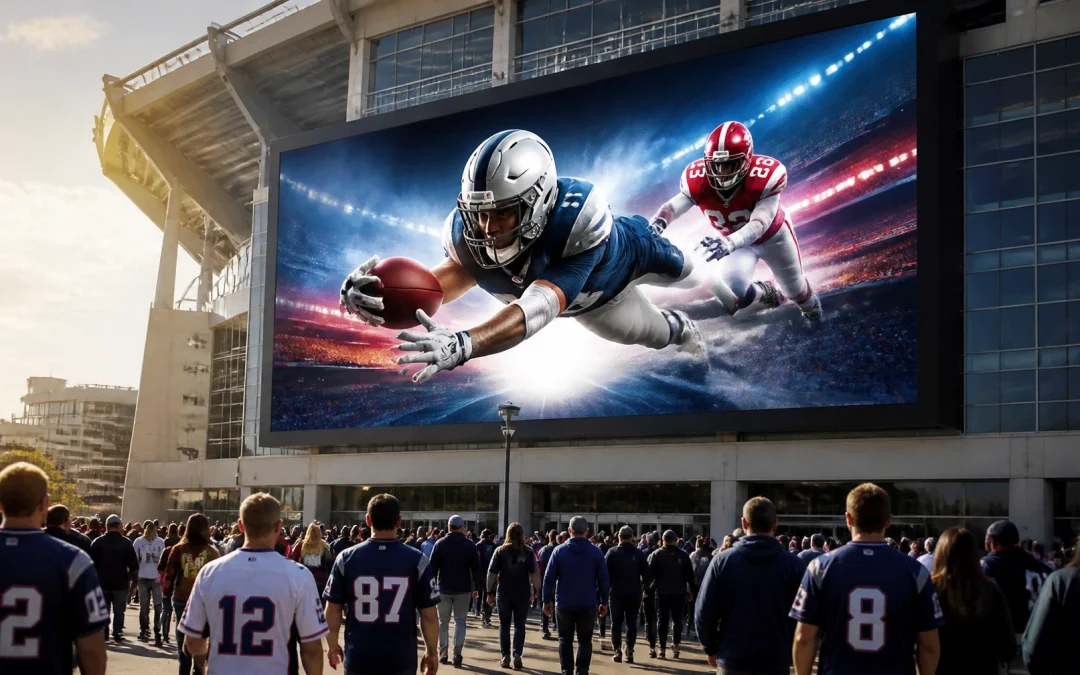
The landscape of sports marketing is undergoing a significant transformation. As the traditional boundaries between physical and digital advertising continue to blur, Digital Out-of-Home (DOOH) has emerged as a cornerstone for brands seeking to engage with passionate sports audiences. This digest explores the strategic innovations, technological advancements, and measurable outcomes that are defining the modern era of sports advertising.
In an environment where attention is the ultimate currency, DOOH offers a unique advantage. Unlike mobile or desktop ads that can be skipped or blocked, large-scale digital displays in and around sports venues provide a non-intrusive yet impossible-to-ignore presence. By leveraging high-traffic locations, brands can integrate their messaging into the excitement of the game day experience.
Strategy: The Evolution Toward Programmatic DOOH
The industry is witnessing a decisive shift from static, long-term site contracts to flexible, biddable programmatic buying. Programmatic DOOH (pDOOH) allows advertisers to purchase inventory through automated platforms, similar to how digital display or social media ads are bought. This evolution provides brands with unprecedented control over when, where, and how their messages are displayed.
The integration of programmatic technology means that campaigns are no longer confined to fixed schedules. Instead, they can be activated based on specific triggers and environmental conditions. For instance, a brand may choose to increase its presence on digital screens only when specific audience densities are reached or when certain weather conditions occur. This level of precision ensures that marketing budgets are allocated toward the highest-impact moments.
Key benefits of the programmatic approach include:
- Enhanced Flexibility: The ability to pause, pivot, or scale campaigns in real time based on performance or changing objectives.
- Audience-Centric Targeting: Moving beyond simple location-based buys to target specific demographics and behaviors using anonymized mobile data.
- Operational Efficiency: Streamlining the buying process through a single Demand Side Platform (DSP), reducing the administrative overhead associated with manual coordination.
Recent expansions in screen inventory, such as the OOH Sports Network reaching 25,000 digital screens, illustrate the scale at which programmatic buying now operates. This extensive reach allows for cohesive, nationwide campaigns that can be managed with the click of a button.
Objective & Strategy: Dynamic Creative Optimization and Real-Time Triggers
In the current advertising climate, static creative is becoming an artifact of the past. Forward-thinking brands are utilizing Dynamic Creative Optimization (DCO) to ensure their messaging remains relevant to the immediate context of the sports fan. DCO allows the creative content of an ad to change automatically based on live data feeds.
In the context of sports, this means ads can respond to live game events. If a home team scores a touchdown or hits a home run, the digital boards around the stadium and throughout the city can instantly update to reflect that success. This creates a powerful connection between the brand and the fan's emotional state.
Common triggers used in sophisticated DOOH sports campaigns include:
- Live Scores and Matchups: Updating creative to show the current score, upcoming schedule, or rivalry-specific messaging.
- Betting Odds: Integrating real-time sports betting lines to capture the interest of the growing sports wagering demographic.
- Weather Conditions: Tailoring creative for hot, cold, or rainy conditions to promote relevant products like cold beverages or branded apparel.
- Game Phases: Changing messaging for pre-game anticipation, mid-game intensity, and post-game celebrations.
This level of contextual relevance is a core part of how AI and real-time data are revolutionizing DOOH. By aligning the creative with the pulse of the event, brands move from being mere sponsors to being active participants in the fan experience.

Capturing the Fan Journey: From Transit to the Stadium Perimeter
The fan journey begins long before the first whistle and continues well after the final play. Effective DOOH strategies map out this entire journey, identifying key touchpoints where fans are most receptive to brand messaging.
- The Commute: Digital screens in transit hubs, subways, and on-street furniture reach fans as they travel toward the venue. This is an ideal time for high-level branding and awareness-building.
- The Perimeter: The area within a 10-mile radius of the stadium is a critical zone. Digital billboards and urban screens in this perimeter capture fans as they congregate for pre-game activities. Detailed strategies for this zone can be found in the guide to stadium perimeter ads.
- The Venue: Inside the arena, concourse screens and sportrons provide high-frequency exposure during the game itself.
- The Watch Party: For every fan in the stadium, there are thousands more watching at sports bars and social gatherings. The watch party economy represents a significant opportunity to reach fans in environments where they are likely to consume products and interact with social media.
Technology Partners: Measurement and Attribution
The most significant advancement in the DOOH sector is the ability to measure impact with digital-grade precision. By partnering with specialized technology providers, advertisers can move beyond estimated impressions to concrete performance data.
The use of anonymized mobile device IDs allows for a sophisticated understanding of audience movement. When a device is exposed to a DOOH screen, that exposure can be logged and tracked through the rest of the consumer journey. This enables several key measurement methodologies:
- Foot Traffic Attribution: Measuring the uplift in visits to retail locations, showrooms, or sportsbooks following exposure to a DOOH campaign.
- Brand Lift Studies: Utilizing surveys and control/exposed groups to quantify increases in brand awareness, purchase intent, and brand preference.
- Cross-Screen Retargeting: Identifying devices exposed to a DOOH ad and retargeting those same individuals with mobile or social media ads to drive further action.
- Online Conversion Tracking: Linking DOOH exposure to online actions such as app downloads, website visits, or e-commerce purchases.

Results: Data-Driven Success Stories
The efficacy of these strategies is best demonstrated through documented results. Several high-profile campaigns have showcased the power of programmatic DOOH in the sports and beverage categories.
- White Claw: In a campaign designed to launch a new vodka product, a programmatic DOOH strategy was deployed to target high-intent audiences. The campaign resulted in a 74% lift in purchase consideration, proving that large-format digital screens can drive significant bottom-funnel impact.
- Mike's Hard Iced Tea: By focusing on positive brand image and leveraging the social nature of sports viewing, Mike's Hard achieved a 119% lift in positive brand image through a targeted pDOOH campaign.
- Sea-Doo: For its inaugural digital OOH campaign, Sea-Doo targeted leisure and sports enthusiasts. The precision of the targeting and the impact of the creative led to a 144% increase in purchase consideration among the exposed audience.
These results underscore a critical point: DOOH is no longer just a "top-of-funnel" awareness tool. It is a performance channel capable of driving measurable increases in consideration and intent.

Actionable Takeaways for Forward-Thinking Brands
To capitalize on the opportunities presented by the DOOH sports landscape, brands and media planners should consider the following steps:
- Adopt a Programmatic Mindset: Transition away from static buys toward biddable inventory that offers flexibility and real-time optimization.
- Invest in Dynamic Creative: Develop creative assets that can adapt to live data feeds. The relevance of the message to the game moment is a primary driver of engagement.
- Map the Fan Journey: Look beyond the stadium gates. Consider transit routes, watch party locations, and post-game social hubs to maintain a consistent presence.
- Prioritize Measurement: Demand more than just impression counts. Work with partners who provide device-level attribution, foot traffic analysis, and brand lift studies.
- Integrate with Omnichannel Plans: Ensure DOOH is not an island. Synchronize out-of-home messaging with mobile, social, and CTV efforts for a unified brand experience.
The integration of sports and digital out-of-home advertising represents one of the most dynamic sectors in the media industry today. By combining the scale and physical impact of traditional billboards with the precision and data-driven capabilities of digital technology, brands can forge deeper connections with fans and drive meaningful business results.