
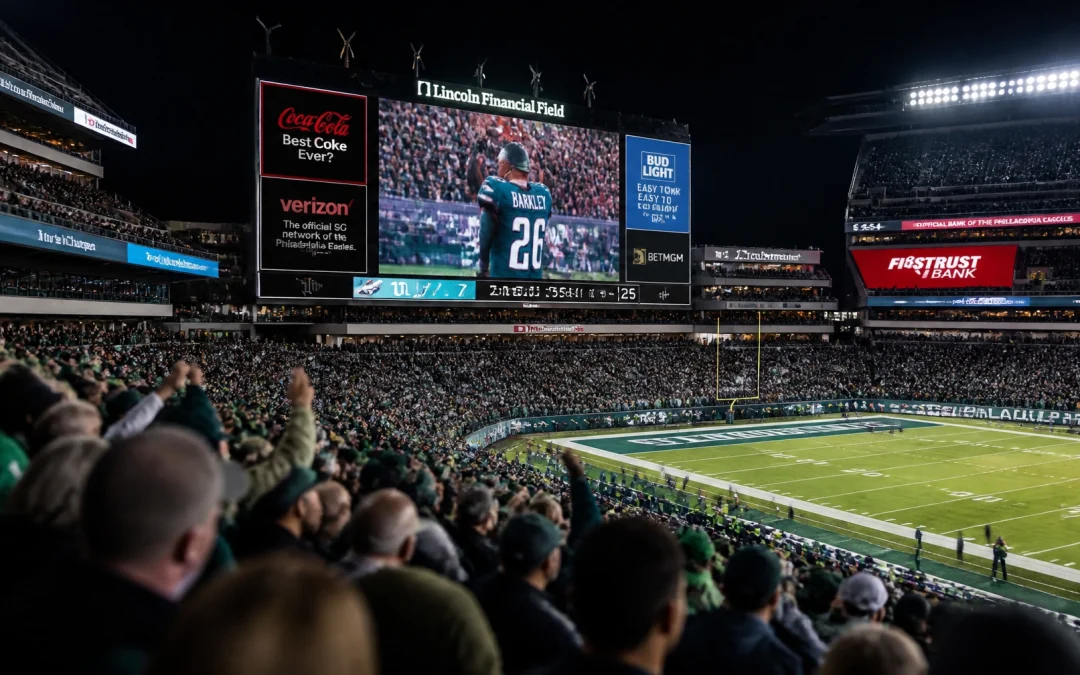
The Super Bowl serves as the ultimate laboratory for advertising innovation. Over the past four decades, the event has transitioned from a singular television broadcast into a massive, multi-sensory marketing ecosystem. The shift from Apple’s legendary "1984" commercial to the immersive, high-tech digital takeovers of 2026 illustrates a profound transformation in how brands engage with audiences. Today, advertising is no longer confined to a 30-second window on a TV screen. It spans entire cities, utilizing thousands of digital touchpoints to create a comprehensive brand experience.
The Evolution of the Big Game Advertisement
In the mid-1980s, the Super Bowl was primarily a venue for high-budget television spots. The landmark Macintosh commercial directed by Ridley Scott proved that a single airing could generate years of cultural relevance. This set the stage for decades of "blockbuster" advertising, where the goal was to achieve the highest possible reach through a national broadcast. By the year 2000, known as the "Dot-com Super Bowl," the industry saw a surge in digital brands using the game to establish instant mass awareness.
As the industry progressed into the 2010s and 2020s, the focus shifted toward omnichannel strategies. The traditional TV spot became one component of a much larger campaign that included social media teasers, influencer partnerships, and experiential activations. In 2026, the strategy has moved beyond the broadcast entirely, focusing on the physical environment surrounding the game and the digital screens that follow fans throughout their journey.
Objective & Strategy
The primary objective for modern Super Bowl advertisers is to dominate the visual landscape both inside and outside the stadium. This requires a strategy that goes beyond the national TV buy to include hyper-local targeting. By securing a 10-mile perimeter around the sports venue, brands can ensure their message is seen by the most engaged fans in the world.
Key strategic pillars include:
- Establishing a dominant physical presence in the host city through high-impact digital billboards and transit displays.
- Synchronizing digital out-of-home (DOOH) content with the live events of the game to create real-time relevance.
- Utilizing data to retarget fans who were physically present near the stadium with mobile advertisements.
- Moving from static signage to dynamic video content that captures attention in crowded, high-energy environments.
For more information on these tactics, readers can explore the ultimate guide to stadium perimeter ads.

Strategy: From Floor Graphics to Digital Takeovers
Forty years ago, stadium branding was limited to static banners and simple floor graphics. These placements offered high visibility for a local audience but lacked the flexibility of modern technology. Today, the landscape is defined by "digital takeovers." A digital takeover involves the coordinated display of a brand’s creative across every available screen in a specific geographic area or venue.
Tactical shifts in execution include:
- Programmatic Flexibility: Advertisers now use programmatic DOOH to adjust creative based on the score, weather, or crowd sentiment. This is a significant advancement from the permanent, unchangeable vinyl banners of the past.
- Immersive Environments: Modern stadiums use wraparound LED displays and high-definition screens to envelop the fan in brand messaging. This creates a more memorable experience than a traditional print ad.
- Geofencing and Retargeting: Brands now use the physical location of fans to trigger digital ads. When a fan enters the 10-mile stadium radius, their mobile devices can be added to a retargeting audience for future digital engagement.
- Integrated Storytelling: Instead of a standalone message, the outdoor screens act as a continuation of the narrative started in the TV commercial or on social media.
The following video provides additional context on how these strategies are executed in real-world scenarios:
https://www.youtube.com/watch?v=l6J-0zileKE
Technology Partners
The success of these massive campaigns relies on a network of sophisticated technology partners. The transition to digital has been facilitated by the OOH Sports Network expansion, which provides access to over 25,000 digital screens across the country. These partners allow media buyers and planners to execute large-scale buys with the same precision as online advertising.
Key technologies used in 2026 include:
- Ad Exchanges: Specialized platforms for sports media that allow for real-time bidding on stadium-adjacent inventory.
- Verification Services: Third-party companies that confirm ad play-counts and ensure that digital screens are functioning correctly during the event.
- Data Analytics Platforms: Tools that aggregate device ID data to measure foot traffic and exposure in the 10-mile stadium zone.
- AI-Driven Creative: Tools that help brands generate thousands of versions of an ad to fit different screen sizes and audience segments instantly.
The integration of AI and programmatic data has become standard for brands looking to maintain a competitive edge during major sporting events.

Results and Impact Measurement
Measuring the success of a Super Bowl campaign has evolved from simple viewership ratings to complex attribution models. In 2026, brands look at a combination of physical and digital data to determine their return on investment.
Commonly reported results for integrated DOOH campaigns include:
- Brand Preference Rating: Campaigns that utilize both TV and DOOH often see a 25 percent higher increase in brand preference compared to TV-only campaigns.
- Increased Search Volume: Research shows a direct correlation between high-impact outdoor placements and an immediate spike in mobile search queries for the brand.
- Foot Traffic Attribution: By tracking exposed device IDs, brands can measure how many people visited a retail location or a dealership after seeing a stadium-area advertisement.
- Social Amplification: High-quality digital takeovers are frequently photographed and shared by fans, leading to significant organic reach beyond the initial physical exposure.
Brands that focus on the watch party economy also see improved performance by reaching fans in bars, restaurants, and public squares outside the host city.

Conclusion
The 40-year journey of Super Bowl advertising reflects a broader trend in the marketing industry: the move from passive consumption to active, multi-channel engagement. While the TV spot remains a centerpiece, the true power of a modern campaign lies in its ability to dominate the physical world through digital out-of-home networks. As technology continues to advance, the perimeter around the stadium will only become more interactive, data-driven, and essential for brands seeking to make a lasting impact.
For those interested in mastering these strategies, learning how to master sports media buying is a critical step in navigating the complex world of modern sports marketing.