
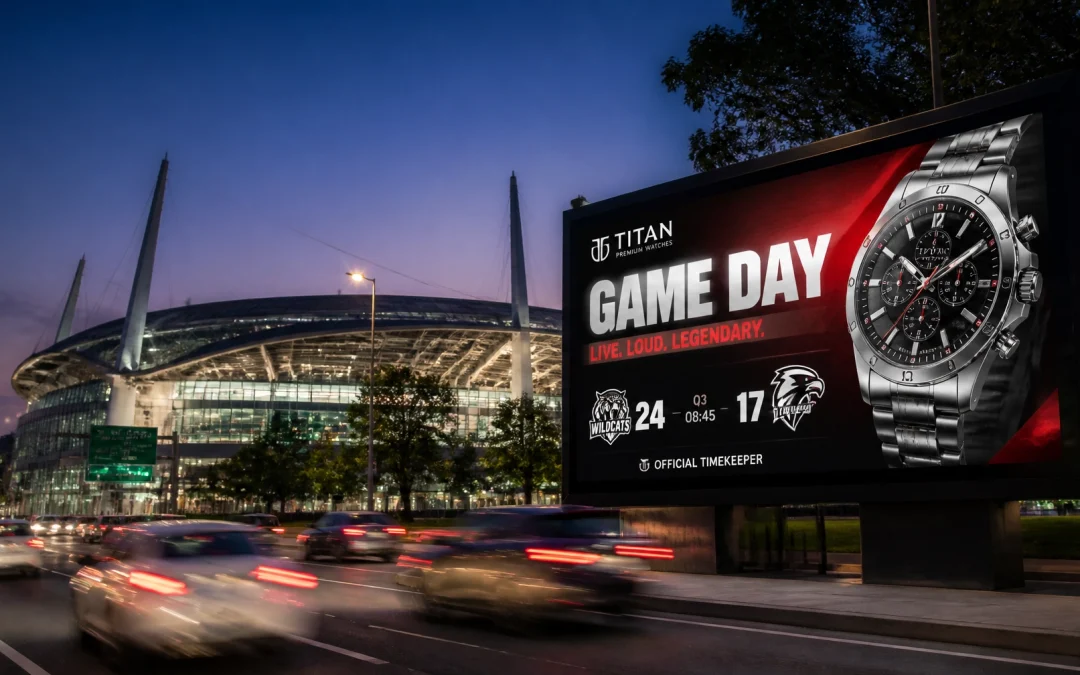
The landscape of sports marketing has undergone a significant transformation, shifting from static signage to dynamic, data-driven experiences. For media buyers and brand managers, the rise of Digital Out-of-Home (DOOH) technology offers a unprecedented opportunity to capture the attention of high-value audiences when they are at their most engaged. By integrating sophisticated targeting with the visceral energy of live athletics, brands can move beyond simple visibility to achieve deep, resonant impact.
Innovative approaches in DOOH now allow for a level of precision and flexibility that was previously reserved for digital channels. This evolution is particularly relevant in the context of OOH sports, where the environment is characterized by intense emotion and shared community experiences. The following analysis explores the strategic mechanics of modern sports DOOH and how it serves as a critical bridge between physical brand presence and digital performance.
Strategic Objective: Capitalizing on the Emotional Peak
The primary objective of any sports-related media buy is to leverage the "emotional peak" of the fan experience. Unlike standard roadside advertising, sports-centric DOOH targets individuals in a state of heightened awareness and receptivity. Whether a fan is entering a stadium, celebrating a victory at a nearby bar, or commuting through a transit hub, their connection to the event provides a powerful context for branding.
Strategic alignment in this space requires a shift in perspective. Instead of viewing a stadium as a single point of contact, media planners are increasingly adopting a "journey-based" approach. This strategy ensures that a brand message follows the fan through various touchpoints, creating a cohesive narrative that reinforces brand recall. This method effectively turns every digital screen within a specific radius into an extension of the stadium atmosphere, amplifying the reach of traditional fan engagement efforts.
The 10-Mile Halo: Mastering Stadium Perimeter Advertising
One of the most effective tactics in modern sports marketing is the implementation of a 10-mile perimeter strategy. By securing stadium perimeter advertising inventory across all digital categories within this radius, brands can establish a "surround-sound" effect. This ensures that the brand is the first and last thing fans see on game day.

The execution of a 10-mile halo strategy involves several key components:
- Transit and Mobility Hubs: Capturing attention at airports, train stations, and rideshare pickup points where fans originate their journey.
- Entertainment Districts: Engaging audiences in sports bars, restaurants, and fan zones where pre-game and post-game activity is concentrated.
- Retail and Convenience: Utilizing screens in proximity to retail locations where fans may be purchasing supplies or team merchandise.
- Urban Digital Signage: Dominating large-format displays and street-level kiosks to maintain high-frequency visibility throughout the metropolitan area.
By blanketing this perimeter, a brand creates a sense of ubiquity. For the fan, the brand becomes synonymous with the event itself, even if the advertiser is not an official stadium sponsor. This "sponsorship-like" presence provides a high-impact alternative for brands looking to maximize their ROI without the long-term commitments often required by league-level deals.
Technology Partners and Programmatic Agility
The scale of the OOH Sports Network, which provides access to thousands of digital screens across North America, is powered by advanced programmatic technology. Programmatic DOOH (pDOOH) allows media buyers to purchase inventory with the same flexibility and data-driven targeting found in online display advertising.

Through programmatic DOOH, brand managers can implement Dynamic Creative Optimization (DCO). This technology enables advertisements to change in real-time based on external triggers, such as:
- Live Scores and Match Status: Adjusting copy to reflect a touchdown, a home run, or a final score, keeping the content relevant to the immediate fan experience.
- Weather Conditions: Shifting creative from cold-weather gear to refreshing beverages based on local temperature or precipitation.
- Audience Density: Increasing bid prices or frequency when mobile data indicates a high concentration of sports fans in a specific location.
- Time of Day: Tailoring messages for the morning commute versus the post-game nightlife rush.
This level of automation ensures that media spend is optimized for the moments of highest impact, reducing waste and increasing the efficiency of the campaign.
Tactical Implementation: Actionable Insights for Brand Managers
To successfully leverage digital out of home advertising in a sports context, brand managers should focus on specific tactical steps that bridge the gap between creative vision and technical execution.
- Synchronize Creative Across Formats: Ensure that the visual language used on large-format billboards matches the messaging on street-level kiosks and transit screens. This consistency is vital for building brand equity.
- Leverage Location Intelligence: Use historical and real-time movement data to identify "fan hotspots" beyond the stadium itself, such as specific hotel clusters or popular tailgating areas.
- Integrate Call-to-Actions (CTAs): Utilize QR codes or short URLs that drive fans toward a digital conversion, such as downloading an app, entering a contest, or claiming a game-day discount.
- Deploy Moment-Based Storytelling: Use DCO to tell a story that evolves throughout the day, from pre-game anticipation to post-game celebration.

Measurement, Attribution, and Performance
A critical concern for Chief Marketing Officers is the ability to measure the tangible impact of OOH investments. Modern DOOH platforms have solved many of the attribution challenges historically associated with outdoor media. By using anonymized device IDs, advertisers can track the movement of individuals who were exposed to a specific digital screen.
This data allows for several sophisticated measurement methodologies:
- Brand Lift Studies: Assessing changes in brand awareness, favorability, and purchase intent among exposed audiences compared to a control group.
- Foot Traffic Attribution: Measuring the increase in visits to a physical retail location or a fan zone following exposure to a DOOH ad.
- Digital Conversion Retargeting: Identifying mobile devices that were in the proximity of a DOOH screen and retargeting those same users with follow-up social media or display ads. This omnichannel approach creates a closed-loop system that links physical exposure to digital action.
- Sales Lift Analysis: For partners in the retail or QSR sectors, correlating DOOH campaign flights with localized sales spikes during major sports events.
These performance metrics provide media buyers with the data necessary to justify budget allocations and refine future strategies. When the magnitude of reported data shows a clear correlation between stadium-area exposure and digital engagement, the case for DOOH becomes irrefutable.
Strategic Alignment with Sports Media Inc.
OOH Sports, a key division of the Sports Media Inc. family, is dedicated to the mission of transcending traditional advertising boundaries. The focus is not merely on placing ads, but on integrating brands into the cultural fabric of American sports. By providing access to every category of digital video advertising board within a 10-mile radius of major venues, the company offers a unique gateway for brands to achieve local dominance on a national scale.

The expertise provided by the OOH Sports team assists media planners in navigating the complexities of fragmented inventory. By consolidating access to a vast network of screens through a single platform, the process of planning and executing a high-impact sports campaign is significantly streamlined.
Conclusion: Future-Proofing the Media Mix
As the sports industry continues to grow in both viewership and economic influence, the demand for innovative advertising solutions will only increase. For brand managers and media buyers, the strategic use of DOOH is no longer an optional tactic; it is a fundamental requirement for reaching the modern sports fan.
By prioritizing fan engagement through real-time data, programmatic flexibility, and comprehensive perimeter targeting, brands can ensure their message is heard above the noise of the arena. The future of sports marketing lies at the intersection of the physical and the digital, and those who master the art of the DOOH fan journey will be the ones to lead the next generation of brand storytelling.
For more insights into the evolving world of outdoor advertising and sports marketing, professionals are encouraged to explore the OOH Sports Blog for the latest trends and strategic analysis.