
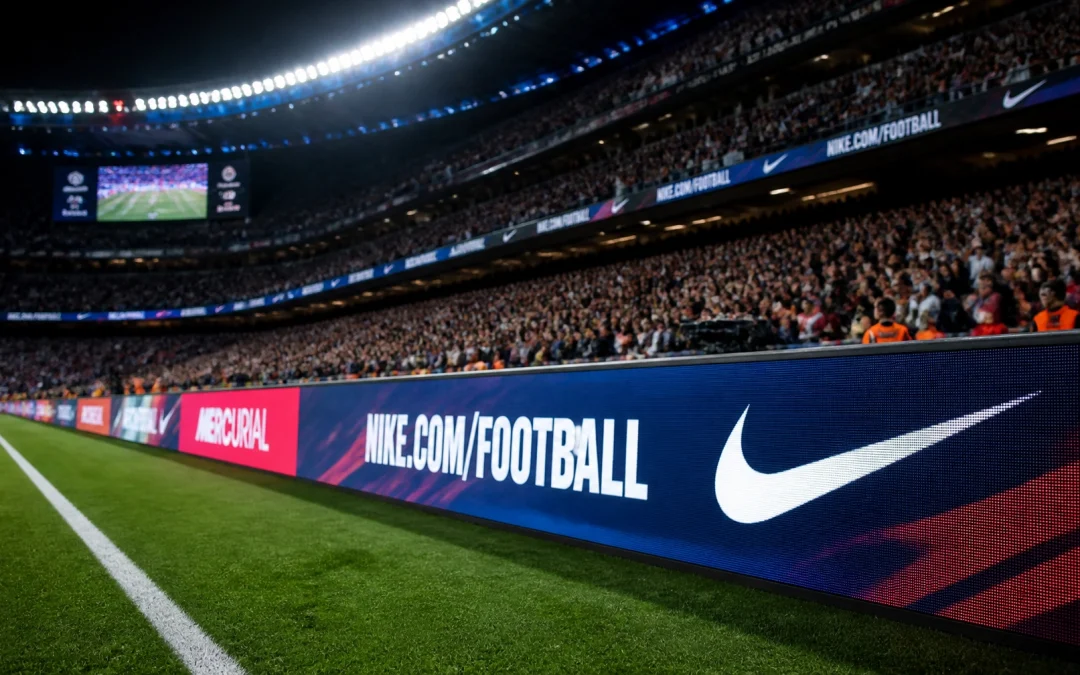
The landscape of sports marketing has shifted from static signage to a dynamic, multi-sensory ecosystem where brand presence is measured by emotional resonance and measurable interaction. For Chief Marketing Officers and Creative Directors, the challenge lies in breaking through the noise of traditional digital media to capture the undivided attention of a passionate audience. Stadium perimeter advertising, when executed through a sophisticated Digital Out-of-Home (DOOH) framework, has emerged as a cornerstone of modern fan engagement strategies.
By leveraging the high-intensity environment of live sports, brands can move beyond simple visibility. The integration of technology and strategic placement allows for a brand narrative that begins miles outside the arena and culminates at the field of play. This approach ensures that a brand is not merely a spectator but a vital participant in the fan experience.
The Strategic Shift: From Visibility to Engagement
Traditional advertising often competes for attention in crowded digital spaces where ad-blocking and "banner blindness" are prevalent. In contrast, stadium perimeter advertising occupies the primary field of vision during live action. This placement is unskippable and high-impact, occurring when fan attention is at its absolute peak.
Data indicates that sports-related OOH advertising delivers recall rates ranging from 60% to 86%, significantly outperforming the 60% average recall typically associated with television. Furthermore, approximately 90% of fans who notice sports-related OOH messaging take follow-up actions, such as visiting a website, engaging on social media, or discussing the brand with peers. This high level of post-exposure activity highlights the effectiveness of addressing fan engagement mistakes by replacing passive viewing with active brand involvement.
Objective & Strategy: The 10-Mile Radius Concept
OOH Sports operates on a specialized strategy that extends the brand presence far beyond the stadium walls. The objective is to surround the fan journey within a 10-mile perimeter of the sports venue. This comprehensive network includes digital video advertising boards across every category: from transit hubs and retail centers to sports bars and fitness facilities.
Building a Continuous Brand Narrative
The strategy is executed in three distinct phases:
- The Approach: Reaching fans as they travel toward the venue via high-impact DOOH screens in transit corridors and parking areas.
- The Peak: Dominating the in-stadium environment with digital perimeter boards and scoreboards that align with the game's highest emotional moments.
- The Aftermath: Reinforcing the message post-game through retargeting and presence in social environments where fans gather to celebrate.
By maintaining a consistent presence throughout this journey, brands can achieve a gold standard for sports branding that resonates long after the final whistle.

Technology Partners and Programmatic Integration
The effectiveness of modern stadium advertising is rooted in programmatic DOOH technology. This allows for real-time creative updates based on game live-data, such as scores, player statistics, or weather conditions. By partnering with sophisticated technology platforms, OOH Sports enables brands to deploy dynamic creative that feels relevant and timely.
For instance, a brand could trigger specific "celebration" creative the moment a home team scores, or display real-time polls that fans can participate in via their mobile devices. This level of DOOH innovation ensures that the creative is not just a background element but an interactive part of the event.
Tactics for Enhanced Fan Interaction
To bridge the gap between physical advertising and digital conversion, creative directors are increasingly utilizing digital triggers. These tactics transform a passive impression into a measurable data point.
- QR Code Integration: Strategically placed QR codes on perimeter boards or concourse kiosks allow fans to "Scan to Win," download exclusive content, or access limited-time offers.
- Gamification: Prediction challenges and trivia questions promoted on stadium screens encourage fans to engage with the brand's mobile microsite or app during breaks in the action.
- Social Wall Displays: Aggregating fan-generated content featuring branded hashtags onto large stadium displays fosters a sense of community and provides fans with the social currency of "seeing themselves on the big screen."

Results: Measuring Brand Lift and Attribution
The success of a stadium perimeter campaign is measured through rigorous data analysis, focusing on both top-of-funnel awareness and bottom-of-funnel conversion. Attribution models now allow marketers to track device IDs exposed to stadium ads and monitor their subsequent online behavior.
Quantifiable Impact
Industry studies have demonstrated the profound impact of well-integrated sports DOOH campaigns:
- Purchase Consideration: Campaigns utilizing targeted DOOH in sports environments have seen up to a 74% increase in purchase consideration.
- Brand Affinity: Approximately 81% of fans report feeling more positive toward brands that sponsor or support their favorite teams, perceiving them as "supporters" rather than just "vendors."
- Positive Brand Image: Specific beverage campaigns have recorded a 119% lift in positive brand image by aligning their messaging with the high-energy atmosphere of live sports.
These results are often validated through brand lift studies that compare exposed vs. unexposed audiences, providing CMOs with the necessary media planning insights to justify significant advertising spend.

Actionable Insights for Media Buyers and Planners
When planning a stadium-centric campaign, several logistical and creative factors must be considered to maximize ROI:
- Coordinate with Broadcast: Ensure that perimeter creative is optimized for both in-person viewing and broadcast angles. High-contrast colors and legible typography are essential for television replays.
- Utilize Geo-Fencing: Deploy geo-fencing around the venue to capture device IDs. This allows for sequenced storytelling, where a fan sees a perimeter ad during the game and receives a follow-up mobile offer the next day.
- Align with Key Moments: Use programmatic triggers to increase ad frequency or change messaging during "clutch" moments, such as the final two minutes of a game or during a halftime performance.
- Leverage NIL Opportunities: Integrating Name, Image, and Likeness (NIL) talent into DOOH creative can further enhance local relevance and fan connection, as explored in the media buyer's guide to NIL.
Conclusion
Stadium perimeter advertising is no longer a standalone tactic but the center of a comprehensive fan engagement ecosystem. By combining high-visibility placements with the technological capabilities of programmatic DOOH and a 10-mile strategic radius, OOH Sports provides brands with a powerful platform to build a lasting presence. For brands looking to transcend traditional advertising, the arena offers a unique opportunity to connect with an audience at their most passionate, creating a brand story that is as dynamic and enduring as the sports themselves.