
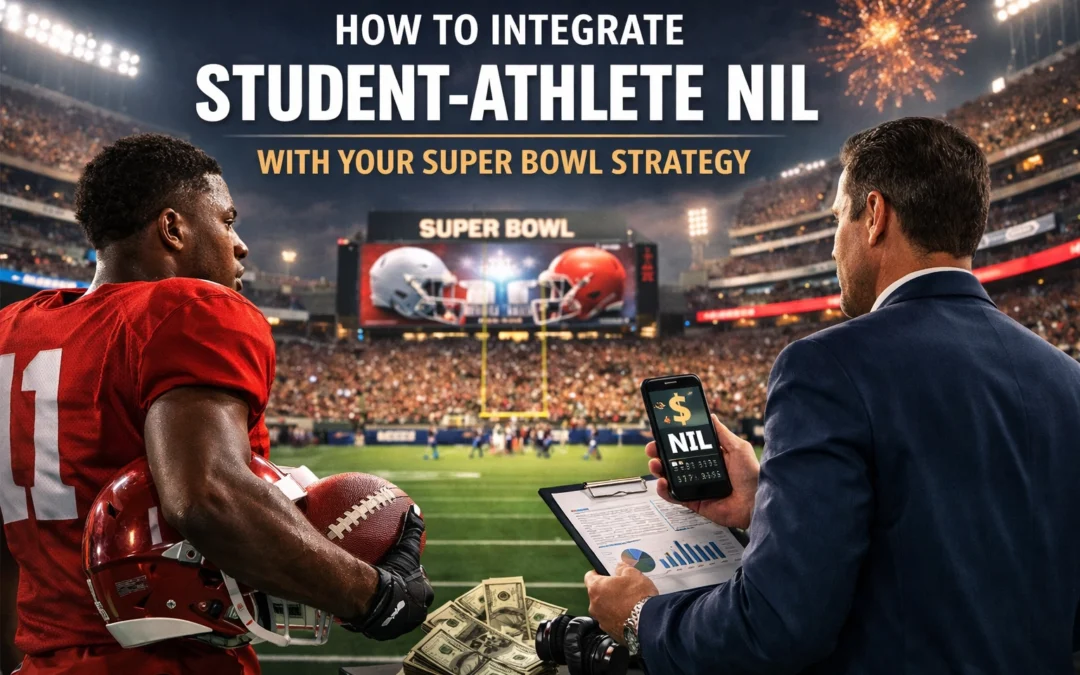
The landscape of sports advertising has shifted. As the industry moves through 2026, the traditional 30-second Super Bowl spot is no longer the only way to reach a massive audience. Media buyers are increasingly looking for ways to cut through the noise of over-produced commercials. One of the most effective methods involves leveraging Name, Image, and Likeness (NIL) partnerships with student-athletes. By connecting a brand with over 20,000 authentic student-athlete voices, advertisers can create a multi-layered campaign that resonates far beyond the final whistle of the big game.
The Power of Authentic Voices in 2026
Modern audiences, especially Gen Z and Millennials, value authenticity over high-budget production. While a celebrity-laden Super Bowl commercial provides mass awareness, student-athletes provide a peer-to-peer connection that feels personal and trustworthy. OOH Sports offers access to a platform that streamlines the process of activating these athletes at scale.
Integrating NIL into a Super Bowl strategy allows a brand to be present where fans are actually spending their time: on social media and in their local communities. Instead of one single message, a brand can deploy thousands of unique perspectives that all point back to a central campaign goal.
https://www.youtube.com/watch?v=l6J-0zileKE
Building a Tiered Athlete Strategy
Successful NIL integration requires more than just picking a few famous players. A structured, tiered approach ensures that a campaign has both reach and depth.
- Top-Tier Athletes: These are the household names with over 100,000 followers. They serve as the anchors of the campaign, providing high-visibility content that mirrors the prestige of a Super Bowl advertisement.
- Mid-Tier Athletes: With followings between 10,000 and 100,000, these athletes provide significant volume. They are often leaders on their campuses and have high engagement rates with their specific fan bases.
- Micro-Athletes: These athletes have under 10,000 followers but offer hyper-local influence. This is where true peer-to-peer recommendation happens. When thousands of micro-athletes post about a brand simultaneously, it creates a "surround sound" effect in college towns across the country.

Geographic and Demographic Targeting
One of the primary benefits of the OOH Sports NIL platform is the ability to target by geography. A national brand can execute localized campaigns in over 50 markets simultaneously. By activating student-athletes at universities in specific regions, advertisers can drive foot traffic to local retailers or increase brand awareness in key territories.
Demographic precision is equally important. Matching brand messaging with athlete profiles that align with target demographics ensures the content feels natural. For example, female athletes often reach different audiences than football players, while Olympic sport athletes might connect better with fitness-focused consumers. This level of granularity is difficult to achieve with traditional broadcast media alone.
Integrating NIL with Digital Out-of-Home (DOOH)
The true magic happens when NIL content is paired with physical advertising. OOH Sports recently expanded its network to 25,000 digital screens across America. By displaying student-athlete content on these screens, brands can bridge the gap between the digital world and the physical world.
This integration is particularly effective during Super Bowl season. While fans are out buying snacks or gathering at sports bars, they can see familiar local athletes on digital displays. This reinforces the social media content they have already seen on their phones. To learn more about how this network expansion impacts the market, visit the OOH Sports network expansion update.

Planning and Execution Timeline
Integrating NIL into a Super Bowl strategy is not a last-minute decision. Planning should ideally begin 90 to 120 days before the game. This timeline allows for several critical steps:
- Athlete Recruitment: Identifying the right mix of athletes across different sports and regions.
- Contract Execution: Managing the logistics of thousands of individual agreements.
- Content Creation: Giving athletes enough time to create authentic content that fits the brand's parameters.
- Approval Cycles: Ensuring all content meets brand safety and compliance standards.
Launching the campaign two to three weeks before the Super Bowl helps build momentum. The peak of the activation should occur during Super Bowl week, with post-game content used to maintain brand relevance as fans discuss the highlights.
Leveraging New NCAA Regulations
Starting in August 2026, the NCAA Council approved the use of commercial sponsor patches on uniforms and equipment. This creates a new "pathway" for long-term sponsorships. Brands can now follow an athlete from their collegiate uniform through the professional draft and into the professional leagues. Integrating these long-term partnerships into a Super Bowl strategy allows for a narrative that grows over time, making the brand a part of the athlete’s career journey.
Measurement and ROI
For media buyers, the most important question is how to measure success. Unlike traditional TV spots where "reach" is often an estimate, NIL campaigns offer trackable data. By using unique URLs or promo codes assigned to individual athletes, brands can identify which creators are driving the most website visits, app downloads, or purchases.
Previous campaigns have shown that this approach works. For instance, brands like White Claw have seen a 74 percent lift in purchase consideration by using programmatic digital out-of-home strategies. Detailed insights on these results can be found in the White Claw case study. Similarly, AB InBev's Mike's Hard Iced Tea saw a 119 percent lift in positive brand image using similar multi-channel tactics. You can read that full report here.

Why Fan Engagement Matters
The goal of any Super Bowl strategy is to capture hearts and wallets. While social media is a powerful tool, it is often crowded. Combining the digital influence of student-athletes with high-impact perimeter ads and stadium displays creates a more immersive experience. Physical advertisements in high-traffic areas often capture attention better than a scrolling social feed. For a deeper dive into this comparison, check out the article on why stadium ads capture hearts better than social media.
Conclusion for Media Buyers
The 2026 Super Bowl presents a unique opportunity for brands to think differently. By moving beyond the traditional ad buy and embracing the power of 20,000 student-athlete voices, advertisers can achieve a level of authenticity and geographic reach that was previously impossible.
The NIL platform at OOH Sports simplifies this process, providing the tools needed to recruit, manage, and measure a massive network of athletes. When this influence is combined with a vast network of digital screens, the result is a comprehensive campaign that dominates the conversation before, during, and after the big game.
For more information on how to start your NIL journey, visit the OOH Sports marketing page or explore the about section to learn about the company mission. Ready to plan your next campaign? Reach out through the contact page to connect with a specialist.
