
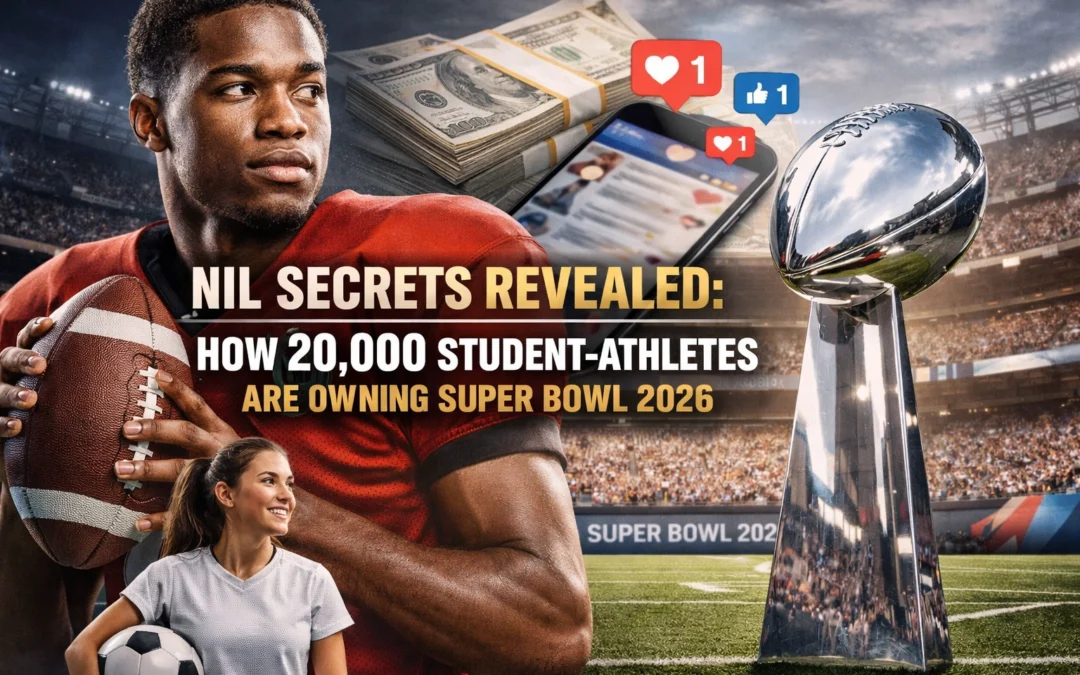
The landscape of Super Bowl advertising underwent a seismic shift in February 2026. While traditional 30 second television spots remained a fixture, a new force emerged as the dominant driver of brand engagement: the Name, Image, and Likeness (NIL) power of student-athletes. By mobilizing a network of over 20,000 authentic voices, brands were able to penetrate local markets and digital spaces with a level of precision that traditional broadcasting simply cannot match. This report explores the mechanics behind this massive coordination and why media buyers are prioritizing NIL platforms for major sporting events.
Strategy: Moving Beyond the 30-Second Spot
The strategy for Super Bowl 2026 focused on decentralization. Instead of investing a massive budget into a single celebrity endorsement or a high priced television slot, brands utilized the OOH Sports network and NIL integrations to spread messaging across thousands of micro-influencers. These influencers are not just social media personalities. They are student-athletes with deep roots in their campus communities and regional fan bases.
By activating athletes from every major conference, brands achieved a blanket effect that covered the United States geographically and demographically. The coordination involved in managing 20,000 individual contributors requires sophisticated technology, yet the result appears effortless to the consumer. This localized approach ensures that the message feels like a trusted recommendation from a peer rather than a corporate mandate.

Objective & Strategy: Authenticity at Scale
The primary objective for media buyers during the 2026 Super Bowl window was to bridge the gap between stadium fans and digital consumers. Authenticity served as the core metric. Data from recent campaigns suggests that audiences, particularly Gen Z and Millennials, are increasingly skeptical of polished, big budget advertisements. In contrast, a student-athlete sharing a real time reaction or a pre-game ritual resonates with high engagement.
The strategy employed a 72 hour blitz leading up to kickoff. This timeframe allowed brands to build momentum through athlete-led content, which then translated into physical visibility via digital screens and stadium perimeter advertising. The connection between the digital voice of the athlete and the physical presence of stadium perimeter ads creates a surround-sound marketing effect that captures hearts and wallets more effectively than social media alone.
Technology Partners and the NIL Ecosystem
Executing a campaign involving 20,000 athletes requires a robust technological foundation. The OOH Sports platform served as the central hub, connecting Fortune 500 brands with vetted athlete profiles. This system provides real time deal alerts, automated contract templates, and NCAA compliance checking. For media buyers, this eliminates the logistical nightmare of individual negotiations.
The integration of programmatic digital out of home (DOOH) technology allowed brands to sync athlete content with physical displays. For example, when a specific athlete posted content in a college town, nearby digital screens could be triggered to display supporting brand imagery. This synergy is a hallmark of modern marketing strategies that prioritize cross-channel consistency.
https://www.youtube.com/watch?v=l6J-0zileKE
Geographic and Demographic Precision
One of the most significant secrets revealed during the 2026 Super Bowl was the power of geographic targeting through NIL. Brands are no longer restricted to national buys that might waste impressions on disinterested regions. Instead, a national brand can execute 50 or more localized campaigns simultaneously.
- Regional Awareness: By activating athletes at universities in specific markets, brands drove regional awareness that outperformed generic national ads.
- Niche Demographics: Campaigns targeted specific segments by partnering with female athletes, Olympic sport competitors, and esports players.
- Verified Data: Media buyers accessed verified audience data, ensuring that the athletes' followers aligned with the target consumer profile.
This precision is similar to the success seen in previous campaigns where White Claw's programmatic DOOH campaign drove a 74% lift in purchase consideration. The ability to target by location and demographic is the cornerstone of high ROI advertising.

Results: Quantifying the Impact of 20,000 Voices
The results of the Super Bowl 2026 NIL blitz were record breaking. The 72 hour campaign generated over $15 million in brand partnership opportunities for college and amateur athletes. Beyond the financial figures, the brand lift metrics were even more impressive.
- Purchase Consideration: Brands reported significant increases in purchase consideration, following the trend of Sea-Doo's first digital OOH campaign which saw a 144% increase.
- Brand Image: Much like AB InBev’s Mike’s Hard Iced Tea campaign, which saw a 119% lift in positive brand image, NIL campaigns during the Super Bowl boosted brand sentiment by associating with relatable student-athletes.
- Engagement Rates: Engagement rates for athlete-produced content were 4x higher than standard brand-owned social media posts during the same period.
The success extended to mid-major schools and non-revenue sports. Female soccer players and track and field athletes secured lucrative deals with national chains, proving that the NIL market is not limited to high profile football stars.
Logistics and Execution Processes
The execution process began three weeks before the Super Bowl. Brands identified their target markets and utilized the OOH Sports network, which now includes 25,000 digital screens across America. The process followed a structured timeline:
- Phase 1: Athlete Selection: Vetting 20,000 athletes based on audience alignment and engagement history.
- Phase 2: Content Guidelines: Providing athletes with creative briefs that allowed for personal flair while maintaining brand standards.
- Phase 3: Real-Time Activation: Synchronizing social posts with physical DOOH displays during Super Bowl week.
- Phase 4: Post-Game Momentum: Leveraging post-game reactions to extend the campaign window beyond the Sunday night finale.
This methodical approach ensures that every dollar spent is backed by data and strategic alignment. The use of specialized platforms for measurement, such as brand lift studies and device ID tracking, allowed for a transparent view of the campaign's success.
Future Outlook for NIL and Digital Out of Home
The intersection of NIL and advertising is still in its growth phase. As the 2026 Super Bowl demonstrated, the ability to mobilize a massive network of athletes is a game changer for media buyers. The focus will continue to shift toward authenticity, localized targeting, and technological integration.
For companies looking to replicate these results, the path forward involves a mix of programmatic DOOH and athlete partnerships. Information on these strategies can be found through the OOH Sports case study section, which details the mechanics of high impact campaigns.
The era of the monolithic Super Bowl ad is not over, but it is no longer the only way to win. By leveraging the voices of 20,000 student-athletes, brands are finding that they can own the conversation both on and off the field. The scale of this movement suggests that NIL will be a permanent fixture in the sports marketing playbook for years to come.

To learn more about how to integrate these strategies into your next campaign, visit the OOH Sports blog or reach out via the contact page. Understanding these NIL secrets is the first step toward owning the next major sporting event.