
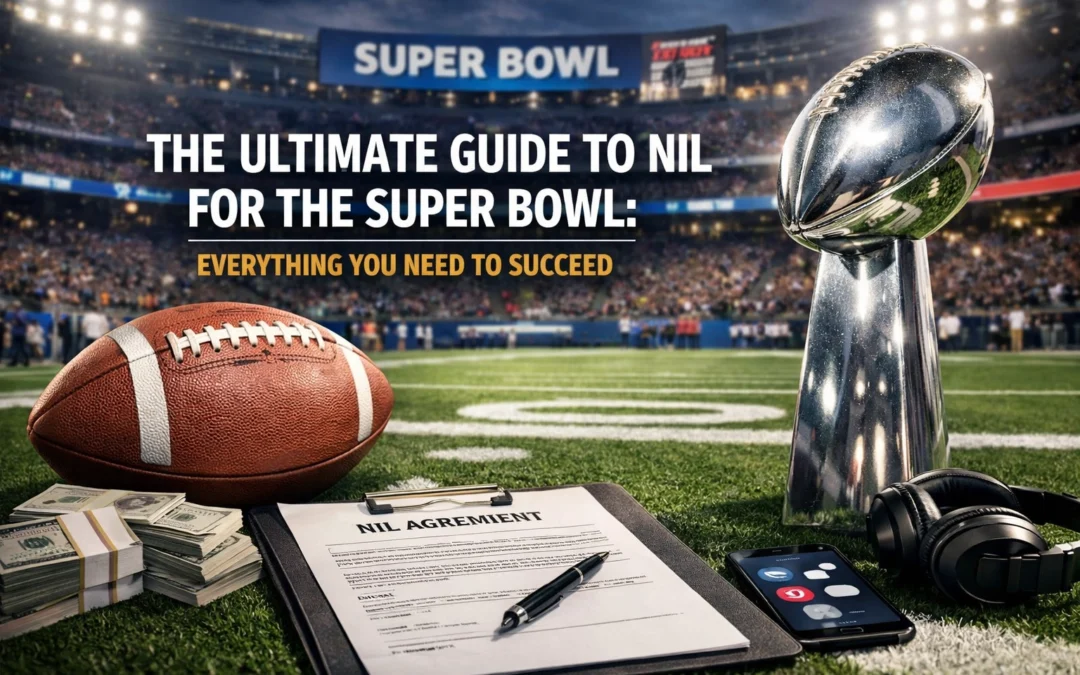
The landscape of Super Bowl advertising has undergone a fundamental transformation. In 2026, the focus has shifted from high-cost, 30 second television spots toward integrated strategies that prioritize Name, Image, and Likeness (NIL) partnerships. For media buyers and brand managers, navigating the Super Bowl environment now requires a sophisticated understanding of how college athletes drive engagement before, during, and after the game.
Strategic NIL integration is no longer an experimental tactic. It has become a primary driver of brand authenticity. By leveraging the influence of over 20,000 student-athlete voices, brands can penetrate niche markets and social circles that traditional mass-market advertising often misses. This guide outlines the essential components of a successful Super Bowl NIL campaign, focusing on logistical execution and measurable impact.
Strategic Significance of NIL in 2026
The Super Bowl serves as the pinnacle of American sports culture, but the way audiences consume the event has changed. Gen Z and Millennial viewers frequently engage with second-screen content throughout the broadcast. NIL partnerships provide the bridge between the live television event and the digital conversations happening simultaneously.
Research indicates that NIL bridges the gap between mass-market reach and grassroots influence. While a traditional ad might capture attention for a brief moment, a coordinated NIL campaign extends that engagement across several weeks. Brands now use these athletes to humanize their presence, providing an organic feel that resonates more deeply than polished corporate messaging.
The Objective: Authenticity at Scale
The primary objective of a Super Bowl NIL strategy is to achieve authenticity at scale. OOH Sports facilitates this through a platform that connects brands with a massive network of collegiate talent. Accessing over 20,000 authentic student-athlete voices allows for a level of message penetration that was previously impossible.
When a brand partners with a diverse group of athletes, it creates a multiplier effect. Each athlete brings a unique, dedicated audience. When hundreds or thousands of these athletes share a unified brand message tailored to their personal style, the cumulative reach often rivals or exceeds that of a traditional national television buy at a fraction of the cost.

NIL Campaign Strategy and Execution
Successful execution requires a tiered approach to athlete selection. Media buyers should categorize talent into three distinct levels to optimize budget and impact.
Anchor Stars
These are the household names. Top-tier college quarterbacks, Heisman contenders, and viral multi-sport athletes serve as the face of the campaign. They provide the high-level visibility and "star power" necessary to anchor the brand's association with the Super Bowl.
Mid-Tier Influencers
Athletes with 50,000 to 200,000 followers offer a balance of reach and high engagement rates. These athletes often have a more direct line of communication with their fanbase, making their endorsements feel personal and reliable.
Grassroots Voices
The strength of the OOH Sports NIL platform lies in the ability to activate thousands of grassroots athletes. These individuals drive local engagement and provide the volume necessary to dominate social media trends. This volume ensures that the brand remains a constant part of the conversation throughout the Super Bowl weekend.
For those interested in exploring how these strategies translate to broader marketing efforts, the OOH Sports marketing page provides additional context on integrated campaign structures.
The Three Phase Timeline for Super Bowl Success
A common error in sports marketing is treating the Super Bowl as a one day event. A comprehensive NIL strategy follows a strict three phase timeline to maximize return on investment.
Phase 1: Pre-Game Hype (January 15 to February 7)
The goal during this period is to build anticipation. Athletes create content that teases brand activations, shares behind the scenes preparation, and builds excitement for game day. This phase allows brands to collect early performance data and adjust messaging before the peak attention period.
Phase 2: Game Day Execution (February 8)
On the day of the Super Bowl, athletes post real-time reactions and share their game day experiences. This live engagement is critical. Authenticity is prioritized over high production value. A raw, real-time post from a favorite athlete often garners more trust and engagement than a pre-produced commercial.
Phase 3: Post-Game Momentum
The conversation does not end when the trophy is lifted. Sustained engagement continues through follow-up content and partnership extensions. Brands can leverage the results of the game to create relevant, timely content that keeps the audience engaged for days or even weeks after the event.
https://www.youtube.com/watch?v=l6J-0zileKE
Leveraging Over 20,000 Student-Athlete Voices
The scale of the NIL platform is a significant differentiator for modern media buying. Managing relationships with 20,000 individuals would traditionally be a logistical impossibility. However, the OOH Sports platform streamlines this process, allowing for automated communication, content approval, and payment distribution.
By utilizing such a large network, brands can implement hyper-local targeting. If the Super Bowl is hosted in a specific city, brands can activate every notable student-athlete in that region to drive foot traffic to fan zones or local retail locations. This creates a physical bridge between the digital NIL campaign and real-world consumer behavior.
Integrating NIL with Digital Out of Home Advertising
While NIL provides the digital voice, Digital Out of Home (DOOH) provides the physical presence. The most effective Super Bowl campaigns in 2026 use NIL athletes to amplify the impact of DOOH placements. For example, a student-athlete might post a photo of themselves in front of a digital billboard in a high-traffic area, creating a cross-channel experience for the consumer.
This synergy is explored in depth through various case studies. By combining the authentic voice of the athlete with the unmissable presence of large-scale digital displays, brands ensure they are seen and heard everywhere the consumer turns.

Measuring Performance and Quantifiable Results
The effectiveness of NIL campaigns is measured through a variety of data points. Unlike traditional media, NIL provides granular insights into audience demographics, engagement rates, and conversion metrics.
In 2026, results from major campaigns have shown significant growth. The 72-hour Super Bowl Blitz campaign, which utilized the OOH Sports network, successfully connected over 1,000 athletes with major brands. This initiative generated over $15 million in partnership opportunities. Since its inception, the platform has facilitated more than $50 million in total NIL partnerships across over 200 universities.
Key performance indicators typically include:
- Total impressions across social platforms.
- Engagement rates (likes, comments, shares, and saves).
- Sentiment analysis of audience comments.
- Lift in brand search volume during the campaign period.
- Direct conversion metrics for specialized promo codes or links.
Detailed reporting on how these metrics compare to traditional stadium advertising can be found in our analysis of programmatic DOOH vs. traditional ads.
Strategic Logistics for Media Buyers
For media buyers ready to implement an NIL strategy for the upcoming season, timing is critical. Planning for a Super Bowl activation should begin months in advance to ensure the most relevant athletes are secured and the creative direction is aligned with broader brand goals.
The process involves:
- Defining the target demographic and geographic focus.
- Identifying the specific "athlete personas" that align with brand values.
- Establishing clear content guidelines that allow for athlete creativity while maintaining brand safety.
- Setting up tracking mechanisms to monitor real-time performance.
The complexity of these campaigns requires a partner with the technology and the network to execute at scale. For more information on how to begin this process, interested parties are encouraged to visit the OOH Sports contact page.
Conclusion on the 2026 Super Bowl Market
The verdict for 2026 is definitive. NIL is no longer a supplementary component of sports marketing. It is a cornerstone of the modern sports business. Brands that treat NIL as a core strategic element maximize their national visibility and build genuine connections with their audience.
By utilizing a platform that offers access to over 20,000 authentic voices, media buyers can move beyond the limitations of traditional advertising. They can create a dynamic, multi-channel presence that dominates the Super Bowl conversation from the first preseason snap to the final post-game celebration.
For a deeper look into our company's history and mission in the advertising space, please visit our About page. To stay updated on the latest trends in sports marketing and NIL strategy, you can follow our ongoing updates on the OOH Sports blog.