
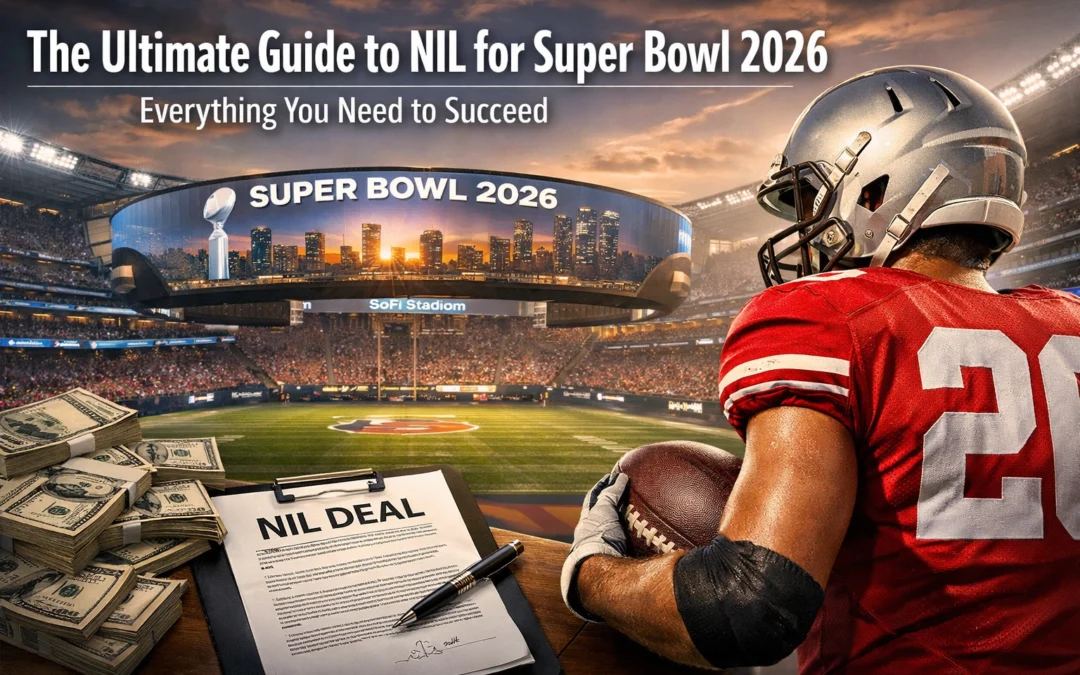
The landscape of sports marketing reached a pivotal turning point during the first quarter of 2026. As Super Bowl LX concluded at Levi’s Stadium on February 8, 2026, the data confirmed a significant shift in how brands allocate capital for major sporting events. While the traditional 30 second broadcast spot remained a high ticket item with costs reaching 8 million dollars, the most efficient returns on investment were found in Name, Image, and Likeness (NIL) partnerships. This guide examines the strategic mechanics of leveraging NIL platforms to connect with over 20,000 authentic student athlete voices, providing a blueprint for success in the post-Super Bowl 2026 environment.
The Strategic Shift: From Broadcast to NIL
The 2026 sports calendar is characterized by a rare convergence of global events, including the Super Bowl, the Winter Olympics, and the lead-up to the World Cup. This "unicorn year" created intense competition for consumer attention. In this environment, traditional advertising faced challenges with message saturation and high entry costs.
NIL partnerships emerged as the preferred alternative for media buyers seeking higher engagement. Unlike traditional celebrity endorsements, which often feel staged or distant, student athletes provide a level of grassroots authenticity that resonates with Gen Z and Millennial demographics. The strategy focuses on micro-influence at a macro scale. By utilizing a centralized NIL platform, brands can deploy thousands of coordinated messages simultaneously, creating a surround-sound effect that traditional broadcast cannot replicate.
Objective and Strategy
The primary objective for media buyers in 2026 is to achieve measurable brand lift through decentralized content creation. The strategy relies on three core pillars:
- Massive Scale via Authentic Voices: Accessing a network of 20,000+ student athletes ensures that a brand is present in every local market and niche community across the country.
- Cost Efficiency: Allocating a Super Bowl budget toward NIL allows for a longer campaign duration compared to a single night of television exposure.
- Cross-Channel Integration: Linking NIL digital content with Out of Home (OOH) advertising to bridge the gap between social media engagement and physical world presence.
By focusing on these pillars, advertisers can maintain brand relevance throughout the entire Super Bowl season and beyond.
The OOH Sports NIL Platform
The OOH Sports NIL platform serves as the technological backbone for these campaigns. It streamlines the process of identifying, vetting, and contracting athletes. For media buyers, the platform removes the logistical hurdles associated with managing thousands of individual contracts.

The platform provides a dashboard where buyers can filter athletes by sport, geographic location, following size, and audience demographics. This level of granularity allows for hyper-local targeting. For example, a brand could target only athletes in the San Francisco Bay Area during the weeks leading up to Super Bowl LX, or focus on flag football athletes to tap into the growing interest in that segment.
Execution and Logistics
Executing a large scale NIL campaign requires a structured approach to content distribution. The process typically follows a clear timeline:
- Talent Selection: Media buyers use the platform to select a roster of athletes that align with the brand identity. In 2026, the focus has shifted toward athletes with high engagement rates rather than just high follower counts.
- Creative Briefing: Instead of rigid scripts, athletes receive creative guardrails. This allows them to produce content that feels natural to their personal feed while still hitting key brand talking points.
- Deployment: Content is scheduled to go live in waves. During the Super Bowl, peak deployment occurs during halftime and immediately following the game to capitalize on the heightened social media activity.
- OOH Synchronization: Digital content is often mirrored on Sportrons and other digital out of home displays in high traffic areas, ensuring the message reaches consumers both on their phones and in the streets.
Video Integration: The Power of NIL
To understand the impact of athlete voices in the modern advertising ecosystem, observe the following overview of how NIL and technology intersect to drive results.
https://www.youtube.com/watch?v=l6J-0zileKE
Technology Partners and Measurement
Success in the NIL space is no longer based on guesswork. The 2026 season has seen the implementation of advanced tracking and attribution models. Media buyers now have access to real-time data that tracks:
- Total Reach and Impressions: Quantifying exactly how many eyes saw the content across the 20,000+ athlete network.
- Sentiment Analysis: Using AI to determine the consumer reaction to the content in the comments and shares.
- Conversion Metrics: Tracking click-through rates and direct purchases through unique athlete referral codes or geo-fenced attribution.

Integration with programmatic platforms, such as the StackAdapt DSP, allows for omnichannel synchronization. This means that a consumer who sees an NIL post on Instagram can be retargeted with a relevant digital billboard ad as they move through their daily commute, a tactic that has proven to significantly increase purchase consideration.
Results and Impact Data
The data from the 2026 Super Bowl cycle indicates that NIL campaigns outperformed traditional celebrity endorsements by substantial margins. Key findings include:
- Engagement Lift: NIL partnerships delivered engagement rates 300 percent higher than traditional celebrity ads.
- Brand Sentiment: Consumers reported a 119 percent lift in positive brand image when products were promoted by authentic student athlete voices rather than paid actors. This mirrors trends seen in previous case studies.
- ROI Efficiency: For every dollar spent on NIL platforms, brands saw a measurable increase in purchase consideration that outperformed broadcast ROI by nearly 2.5 times.

Diversification of the Athlete Pool
A notable trend in 2026 is the diversification of NIL investments. Brands are no longer focusing solely on traditional high profile sports like football or basketball. The signing of diverse athletes across various disciplines, including flag football and Olympic sports, has allowed brands to access entirely new consumer segments. Representation matters in the 2026 marketplace, and authentic partnerships with a diverse range of athletes ensure that brand messaging reaches a broad and inclusive audience.
The Long Term Value Strategy
Winning brands in 2026 treat NIL as an ongoing relationship rather than a one-off transaction. The athletes who promoted products during the Super Bowl often continue as brand ambassadors throughout their collegiate careers and into their professional lives. This continuity builds a level of trust with the audience that is impossible to achieve with a single 30 second commercial.
For those looking to explore more about the future of this industry, the OOH Sports blog provides ongoing updates on how sports advertising is expected to evolve, with projections indicating the sector will reach 50 billion dollars by 2030.
Implementation for Future Events
While the 2026 Super Bowl has concluded, the principles outlined in this guide apply to the remaining major events of the year. The infrastructure is now in place for media buyers to launch real-time campaigns that convert. Whether it is a local activation or a national blitz, the ability to activate 20,000 voices through a single platform remains the most potent tool in a modern marketer's arsenal.
For further information on campaign logistics or to review specific company policies, please visit the official contact page to connect with a strategy specialist. The era of the single, expensive broadcast ad is giving way to the era of the authentic, distributed voice. In 2026, the win belongs to those who understand the power of NIL.