
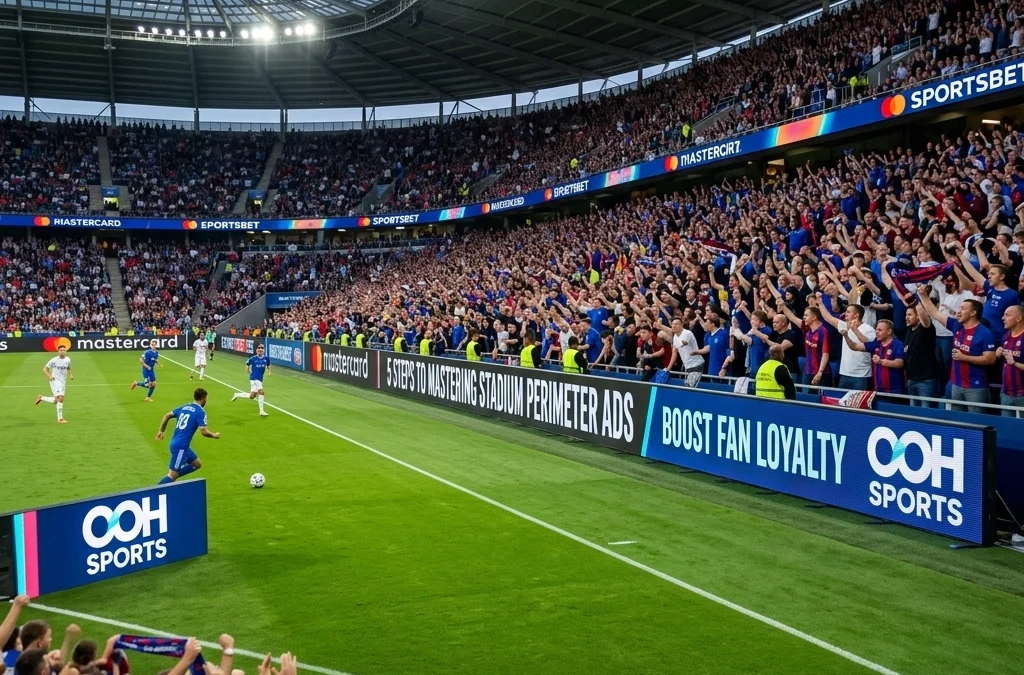
The environment of professional sports provides a unique high energy atmosphere where fan attention is at its peak. For creative directors and CMOs, this environment represents a premier opportunity to build brand equity through stadium perimeter advertising. As the industry moves toward more sophisticated digital integration, the transition from static boards to dynamic digital out-of-home (DOOH) displays has redefined how brands interact with audiences.
Stadium perimeter advertising, often referred to as field-level signage, involves the placement of brand messaging along the boundaries of the playing surface. While traditional methods relied on physical banners, modern standards utilize LED technology to deliver high definition, rotating content. This strategy ensures that a brand remains visible not only to the thousands of fans in the stands but also to the millions watching via global broadcasts.
To achieve maximum impact, marketing leaders must approach these placements with a structured, data driven methodology. The following five steps outline how to master perimeter advertising to drive both visibility and long term fan loyalty.
1. Prioritize High Visual Impact and Design Clarity
The foundation of any successful perimeter campaign is visual clarity. Unlike a standard billboard on a highway, stadium ads must compete with the movement of the game and the distractions of a stadium environment. The design must adhere to a "less is more" philosophy to ensure recognition at a glance.
Design Principles for Field Level Success
Creative teams should focus on clear, large-format messaging. Logos and brand names must be scaled to the maximum height of the LED board to ensure they are legible from the highest seats in the stadium and on small mobile screens during broadcasts. High contrast color schemes, such as white text on a dark blue or black background, significantly improve readability.
Material quality also plays a role in the perceived value of the brand. When utilizing physical signage, using weather-resistant and durable materials is essential to maintain a premium appearance. However, when utilizing digital LED boards, the focus shifts to frame rates and color calibration to prevent flickering on television cameras.
2. Optimize Content for Broadcast Visibility
A common mistake in sports marketing is designing solely for the in-stadium audience. In reality, the secondary audience watching via television and streaming platforms often outnumbers the live crowd by a factor of 100 or more. Mastering perimeter ads requires a deep understanding of camera angles and broadcast behavior.
Strategic Placement and Camera Correlation
Marketing teams should analyze the most frequent camera angles for a specific sport. In soccer or football, the cameras often linger on the mid-field line or behind the goals during key plays. Positioning brand assets in these "sweet spots" ensures the brand appears in replays, highlights, and social media clips that circulate long after the game has ended.
This broadcast exposure provides a significant return on investment (ROI). Because perimeter ads are integrated into the field of play, they avoid the "commercial break" fatigue that causes viewers to tune out. The brand becomes a seamless part of the entertainment experience.
3. Implement Dynamic LED Content Rotation
The shift to digital technology has allowed OOH Sports to move away from static, single-brand boards toward dynamic LED rotations. This technology enables a more sophisticated approach to inventory management and creative delivery.
The Power of Animation and Timing
Research indicates that animated content captures viewer attention 23 percent better than static images. Using LED perimeter systems, brands can transition through different creative assets every 30 seconds. This prevents visual stagnation and allows a brand to tell a story over the course of a match.
Advanced systems like Sportrons offer various rotation options:
- 2:2 Rotation: Two sponsors occupy two sections each, providing a balanced share of voice.
- Multisession Displays: Up to 14 sponsors can be visible across the perimeter simultaneously in a synchronized layout.
- Real-Time Triggers: Brands can synchronize their creative with specific game moments, such as a goal or a halftime whistle, to create a sense of shared celebration with the fans.

4. Bridge the Gap Between Physical and Digital Engagement
Fan loyalty is built through interaction, not just observation. Modern stadium advertising should serve as a gateway to a brand's digital ecosystem. By integrating interactive elements, marketing teams can transform a passive impression into a measurable lead.
Interactive Tactics for Fan Connection
The inclusion of QR codes or specific short-links on perimeter boards allows fans to scan and unlock exclusive content. This could include digital programs, merchandise discounts, or participation in live polls. This bridge between the physical stadium and the fan's mobile device provides invaluable data for the brand.
Using these tactics, an organization can measure the direct impact of their stadium presence. When a fan scans a code to receive a promotional offer, the brand gains a device ID that can be used for future attribution and retargeting efforts. This transforms the perimeter board from a branding tool into a high performance marketing engine.
5. Develop a Comprehensive Cross-Channel Strategy
Stadium perimeter ads should never exist in a vacuum. To truly master the medium, the campaign must be part of a larger, omnichannel approach. This involves coordinating the physical presence in the stadium with digital campaigns on social media and programmatic platforms.
Integration and Retargeting
By utilizing geofencing technology, OOH Sports can identify mobile devices located within the stadium during a game. Following the event, these fans can be served retargeting ads on platforms like Instagram or TikTok, reminding them of the brand they saw on the field.
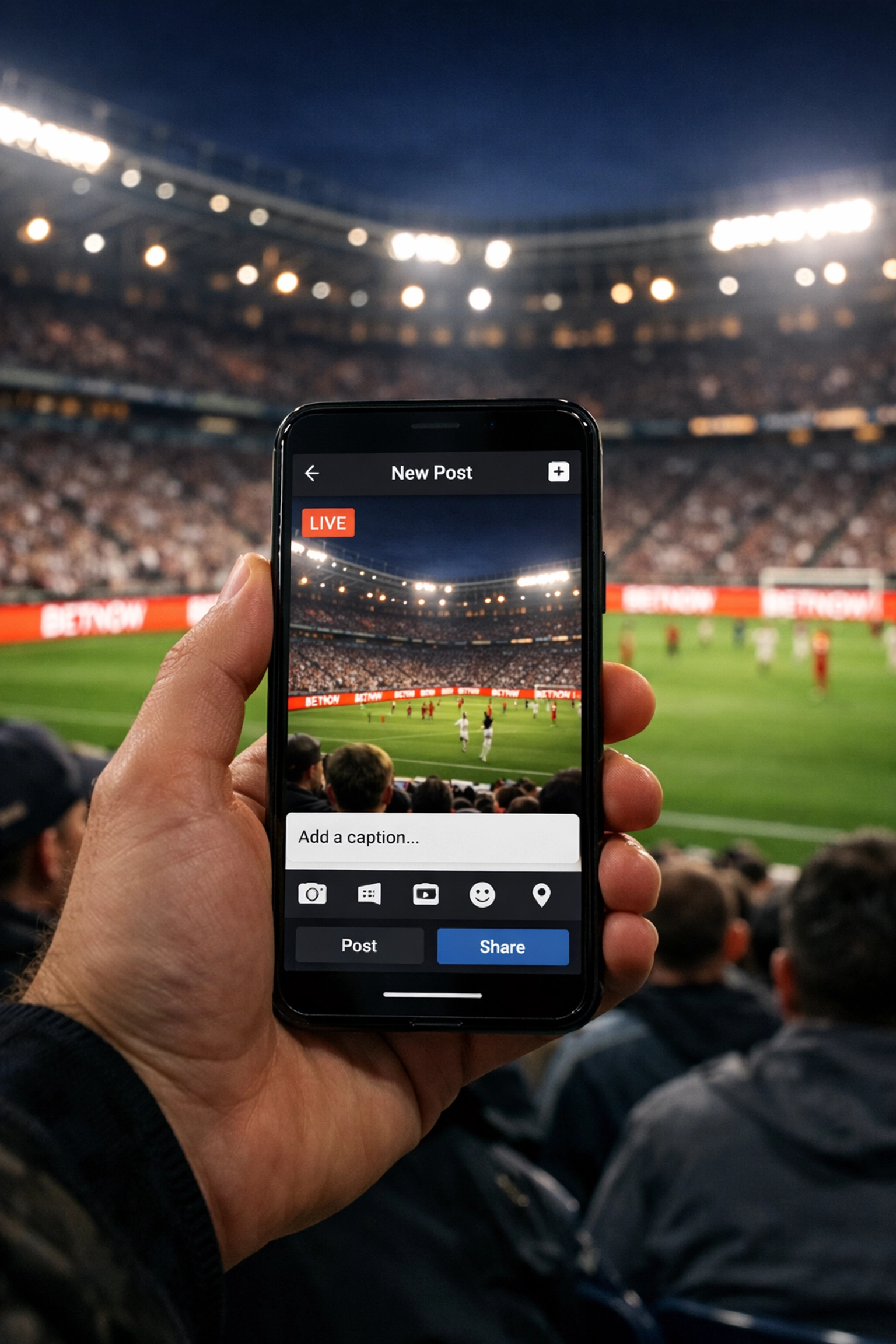
Furthermore, inviting influencers to the event can amplify the reach of the perimeter ads. When an influencer posts a photo or video from the sidelines, the perimeter branding often appears in the background, reaching a global audience through organic social sharing. This creates a multi-layered exposure strategy that moves the consumer through the entire marketing funnel.
Measurable Results and Strategic Outcomes
The effectiveness of these strategies is backed by significant data across various categories. Large scale programmatic DOOH campaigns have demonstrated a clear ability to move the needle on key brand metrics.
Case Study Highlights
Data from previous executions shows the magnitude of impact that a well-coordinated sports advertising strategy can achieve:
- Purchase Consideration: A programmatic campaign for a major beverage brand resulted in a 74 percent lift in purchase consideration during a new product launch.
- Brand Image: An iced tea brand saw a 119 percent lift in positive brand image by utilizing programmatic DOOH to align with specific sporting events.
- First-Time Campaigns: For brands entering the space for the first time, the results can be even more dramatic. One campaign saw a 144 percent increase in purchase consideration by focusing on high impact digital placements.
These results highlight the difference between simply "having a sign" and executing a master-level stadium strategy. By focusing on data, technology partners, and creative excellence, brands can ensure their investment delivers tangible growth.
The Future of Stadium Advertising
As we look toward the future of OOH Sports, the integration of artificial intelligence and real-time data will only increase. The ability to swap creative based on the weather, the score of the game, or even the crowd's noise levels is becoming a reality.
Creative directors and CMOs who adopt these five steps will be well-positioned to lead their industries. Stadium perimeter advertising remains one of the few places where a brand can capture the undivided attention of a passionate audience. By focusing on visual impact, broadcast optimization, dynamic content, interactivity, and cross-channel integration, brands can turn a simple game into a powerful loyalty-building engine.

For those looking to explore more about the evolution of this medium, the OOH Sports blog provides ongoing insights into the strategies driving the next generation of fan engagement. Effective sports marketing is no longer just about being seen, it is about being remembered. Through the strategic use of perimeter ads, that memory is built one game at a time.