
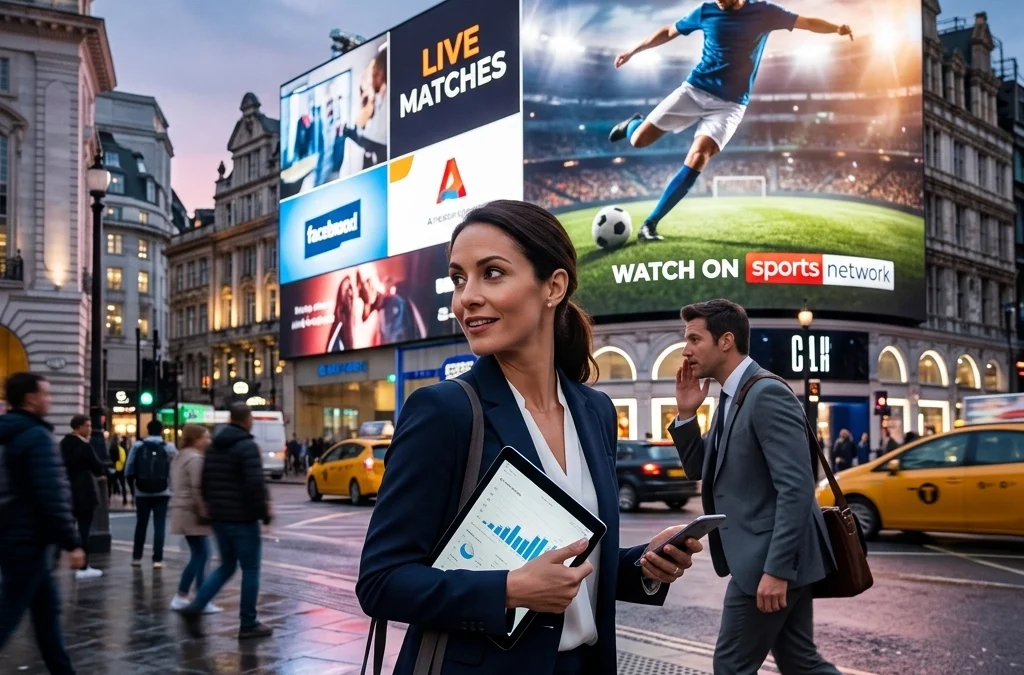
The landscape of Digital Out-of-Home (DOOH) advertising has undergone a radical transformation. What was once a medium defined by massive, static billboards and broad-stroke branding has evolved into a high-precision, data-driven channel that rivals the sophistication of online performance marketing. High-level media buyers often keep their most effective tactics close to the chest, but the strategies driving the highest returns on investment are becoming clearer as the industry scales toward a projected 50 billion dollar market.
Understanding these industry secrets requires a shift in perspective. It is no longer about simply occupying space in a high-traffic area. Instead, it is about the intersection of timing, audience data, and contextual relevance. The following insights reveal the mechanics behind successful modern DOOH campaigns and how strategic buyers leverage technology to outperform traditional advertising methods.
The Myth of the Unmeasurable Billboard
One of the most persistent misconceptions in advertising is that out-of-home media is difficult to track. In reality, high-level buyers treat DOOH as a highly accountable medium. Advanced analytics now allow brands to link exposure to real-world outcomes with remarkable accuracy. By utilizing anonymized mobile location data and device IDs, marketers can track the journey of a consumer from the moment they pass a digital screen to the moment they walk into a retail location or visit a website.
This level of attribution has led to significant shifts in how budgets are allocated. For example, a programmatic digital out-of-home campaign for White Claw saw a 74 percent lift in purchase consideration during a vodka launch. This was not a result of luck, but rather the result of precise measurement that allowed for real-time adjustments to the campaign. You can read more about these specific results in this case study regarding purchase consideration.
Strategic buyers also utilize brand lift studies to quantify the impact of their creative. By comparing exposed audiences to a control group, brands can see exactly how much a campaign moved the needle on brand favorability and intent. Mike’s Hard Iced Tea, for instance, experienced a 119 percent lift in positive brand image by leveraging these programmatic techniques. Detailed insights on this can be found in the report on brand image lift.
AI-Powered Targeting and Hyper-Locality
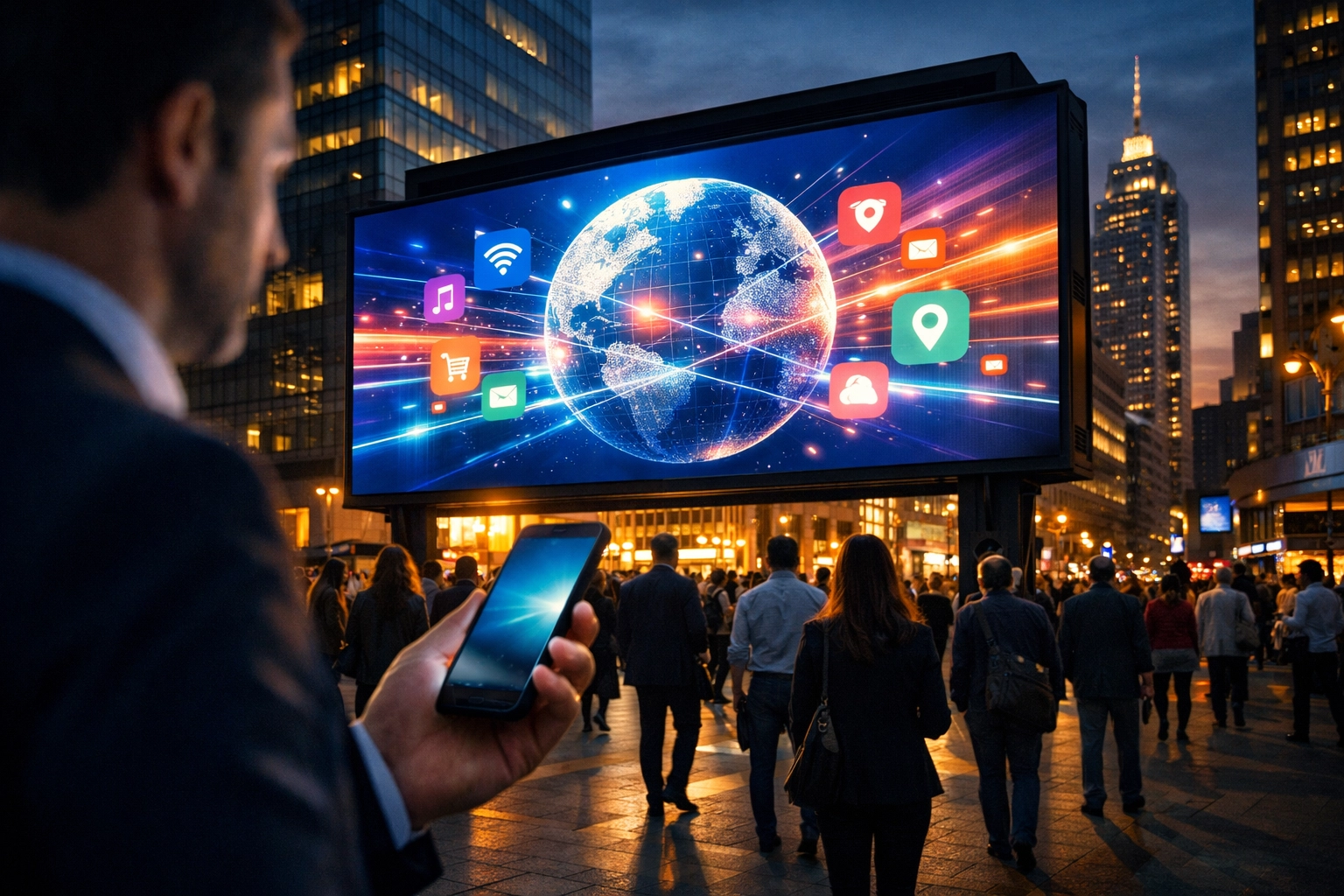
Artificial intelligence is the engine behind the most successful DOOH campaigns. While traditional media buyers might select locations based on gut feeling or general traffic counts, high-level experts use AI to optimize creative across thousands of screens simultaneously. This technology allows for dynamic content generation, where the ad displayed can change based on the specific audience present at that moment.
Hyper-locality is another "secret" weapon. Instead of running a single ad nationwide, AI allows brands to deploy thousands of variations of an ad that are tailored to specific neighborhoods or even specific street corners. This approach was successfully used by PODS, which saw a 60 percent increase in website visits by creating over 6,000 hyperlocal messages tailored to the immediate surroundings of each billboard.
Precision targeting also includes the use of environmental triggers. Data shows that 81 percent of consumers find weather-triggered ads to be highly relevant and useful. If it starts to rain, a buyer can automatically trigger ads for umbrellas or indoor activities. If the temperature rises, the creative can shift to refreshing beverages. This level of agility ensures that the message is always contextually appropriate, which significantly increases the likelihood of conversion.
The Programmatic Advantage over Traditional Methods
The shift from manual bookings to programmatic buying is perhaps the biggest "secret" of the modern media buyer. Programmatic DOOH allows for a level of flexibility that traditional stadium or billboard ads cannot match. Instead of being locked into a long-term contract for a single location, programmatic platforms allow buyers to bid on inventory across various networks in real-time.
This flexibility is particularly valuable in sports marketing. While traditional stadium ads are fixed and static, programmatic DOOH allows a brand to be present where the fans are, even if they aren't inside the venue. This might include digital screens at transit hubs near the stadium, sports bars, or nearby retail centers.
A comparison of these strategies shows that programmatic DOOH often delivers better ROI for sports marketing by reducing wasted impressions. For a deeper dive into this comparison, see the analysis on programmatic DOOH versus traditional stadium ads.
The Integration of Omnichannel Strategies
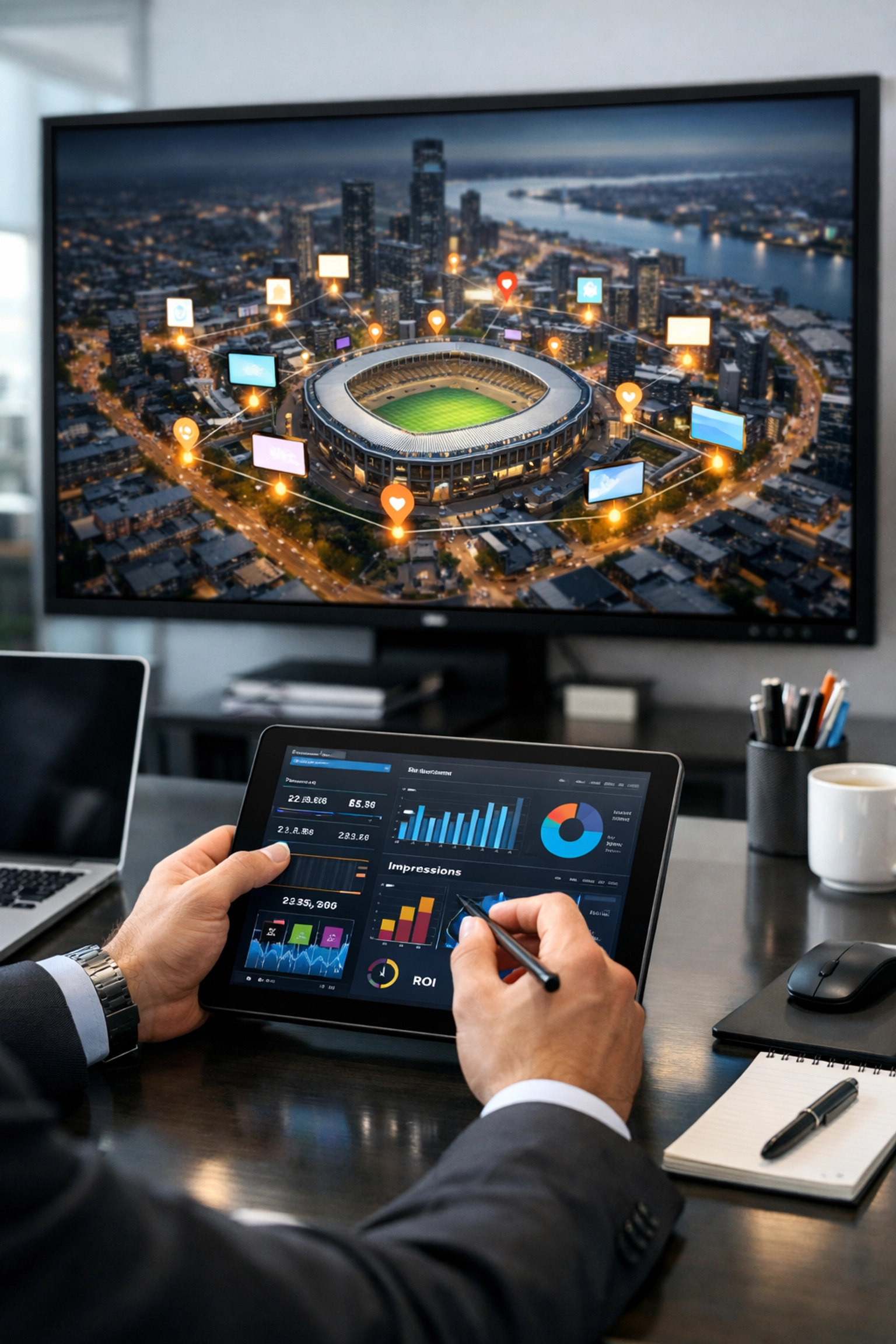
High-level media buyers rarely view DOOH in isolation. The most effective campaigns are those that bridge the gap between the physical and digital worlds. This is known as omnichannel integration. By using consistent audience targeting strategies across DOOH, mobile, and desktop channels, brands can create a seamless narrative for the consumer.
For example, a consumer might see a digital billboard for a new athletic shoe while walking near a stadium. Later that day, while browsing a sports news website on their phone, they receive a retargeted ad for that same shoe. This repetition reinforces the brand message and moves the consumer closer to a purchase. Sea-Doo utilized this multi-channel approach to increase purchase consideration by 144 percent, proving that DOOH is a powerful catalyst for online engagement. More details are available in the Sea-Doo campaign overview.
The use of Demand Side Platforms (DSPs) like StackAdapt has made this integration easier than ever. These platforms allow marketers to manage their DOOH spend alongside their other digital channels, providing a unified view of the customer journey. Information on how these platforms drive adoption can be found in the spotlight on StackAdapt DSP.
Leveraging Premium Environments: The Sports Factor
Environment matters just as much as the message itself. High-level buyers look for "high-dwell" or "high-passion" environments where audiences are most receptive. Sports venues and surrounding areas are prime examples. Fans in a sports environment are typically in a heightened emotional state, which makes them more likely to remember the advertisements they see.
OOH Sports specializes in this niche by utilizing Sportrons, which are specialized digital screens designed to capture the attention of fans in and around sporting events. These screens offer a unique opportunity to reach a captive audience that is already engaged with the content around them. You can learn more about this technology at OOH Sports Sportrons.
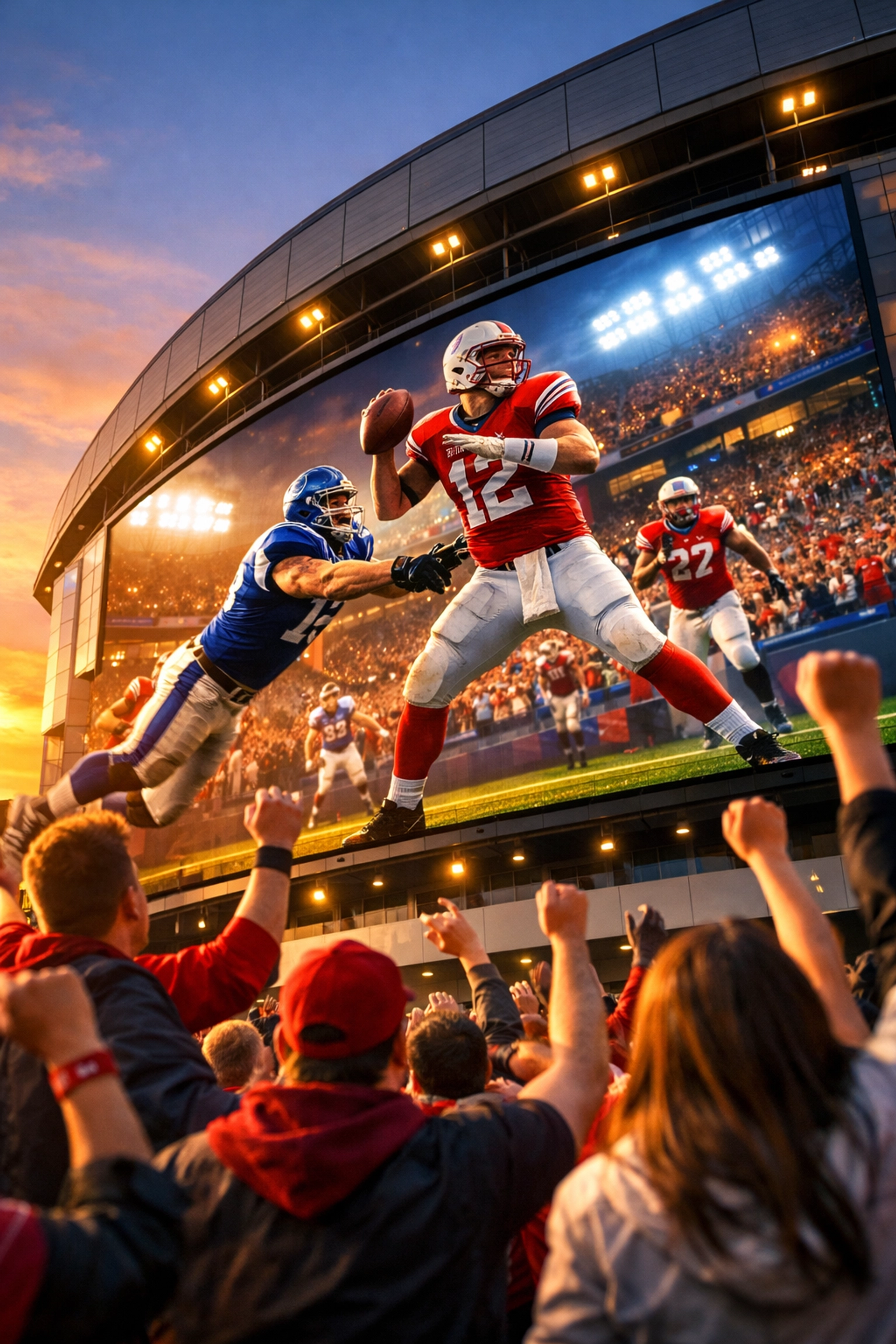
Even brands that are not official sponsors of a major event can capture the attention of the crowd through strategic DOOH placements. This "ambush" style marketing is a common secret among top-tier agencies. For example, during the NYC Marathon, certain brands managed to dominate the conversation without being official sponsors by strategically placing digital ads along the race route and in high-traffic fan zones. The strategy behind this is explored in the Nike NYC Marathon case study.
Seven Strategies for Capturing Market Share
As the DOOH industry continues to grow, those who master these hidden strategies will be the ones who capture the largest share of the market. Industry projections suggest a massive expansion in the coming years. To stay ahead of the curve, brands should focus on the following seven pillars:
- Prioritize Data Over Intuition: Use mobile location data to inform placement.
- Embrace Programmatic Flexibility: Move away from rigid, long-term contracts.
- Utilize Dynamic Creative: Ensure ads respond to time, weather, and location.
- Integrate with Mobile: Use retargeting to close the loop on OOH exposure.
- Focus on Attribution: Demand clear metrics on foot traffic and conversion.
- Seek High-Passion Environments: Place ads where the audience is emotionally invested, like sports venues.
- Stay Informed on Trends: Regularly review industry insights and case studies.
For a more comprehensive look at these tactics, read the guide on 7 strategies to capture your share of the DOOH market.
Final Considerations for the Modern Advertiser
The "secrets" of high-level media buyers are not truly secrets at all; they are simply the result of embracing the technological advancements that have modernized the advertising industry. By moving away from the "one size fits all" mentality of traditional billboards and adopting a data-driven, programmatic approach, any brand can achieve the same level of success as the world's leading marketers.
As the industry moves toward 2030, the line between "online" and "offline" advertising will continue to blur. The winners will be those who recognize that DOOH is no longer just a branding tool, but a powerful driver of performance and measurable ROI.

To explore more about how DOOH can be integrated into your next campaign, visit our marketing page or check out our latest blog posts for more industry insights. For any questions regarding our services and how we can help you navigate this evolving landscape, feel free to contact us.
By understanding and implementing these high-level strategies, you can ensure that your brand is not just seen, but that it makes a lasting and measurable impact in the real world.