
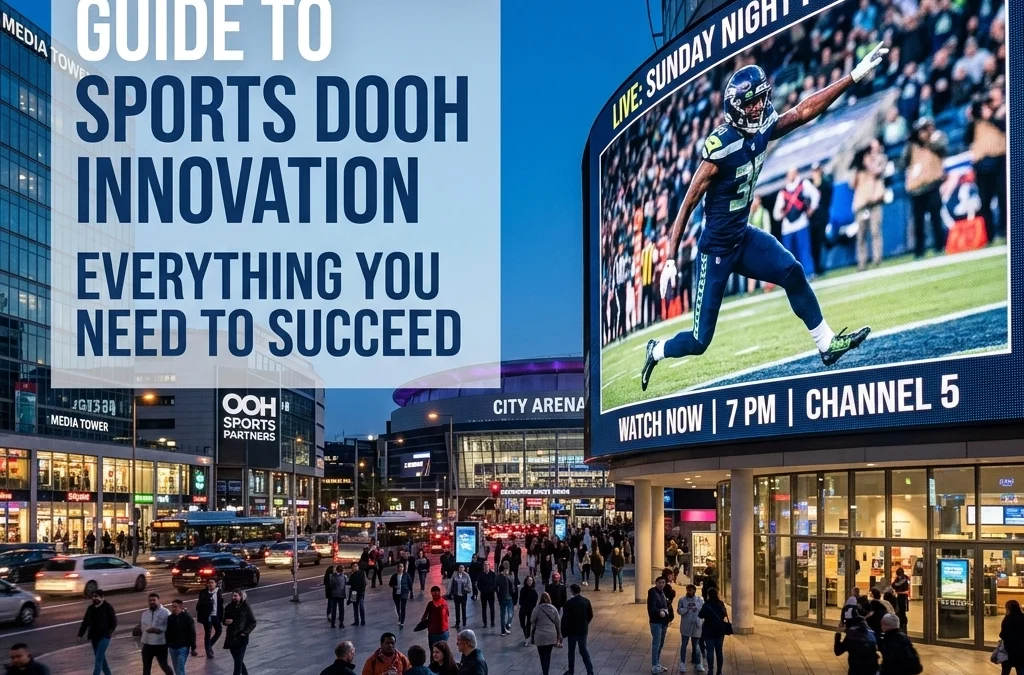
Digital out of home (DOOH) advertising has transformed from a static background element into a dynamic, data driven powerhouse in the sports marketing industry. For media buyers and brand managers, the ability to reach fans when they are at their most engaged provides a unique advantage that traditional digital channels often struggle to replicate. This guide explores the mechanics, strategies, and innovations that define successful sports DOOH campaigns.
The Strategic Shift to Digital Integration
The sports landscape is inherently fast paced, characterized by emotional peaks and real time developments. Traditional out of home advertising relied on printed vinyl and long lead times, which often felt disconnected from the immediate action of a game. Modern innovation through OOH Sports has bridged this gap by introducing programmatic capabilities and real time content delivery.
Digital screens now serve as versatile canvases that can update in seconds. Whether a brand is targeting fans inside a stadium, at a transit hub, or in a sports bar, the messaging can be tailored to the current context of the event. This level of agility allows brands to transition from general awareness to high relevance in an instant.

High Impact Deployment Locations
To maximize reach and frequency, brands must consider the entire fan journey. Success in sports DOOH is rarely the result of a single screen placement. Instead, it involves a multi-touchpoint strategy that follows the audience from their commute to the final whistle.
In Venue and Stadium Environments
The most concentrated fan attention occurs within the stadium. Scoreboards and jumbotrons are the focal points during game breaks, while LED banners along the playing field perimeter provide constant visibility throughout the broadcast. Beyond the seating bowl, digital screens in stadium elevators, concourses, and VIP lounges capture fans during transitions. These placements, often referred to as sportrons, ensure that a brand remains part of the atmosphere throughout the entire event duration.
Transit and Travel Hubs
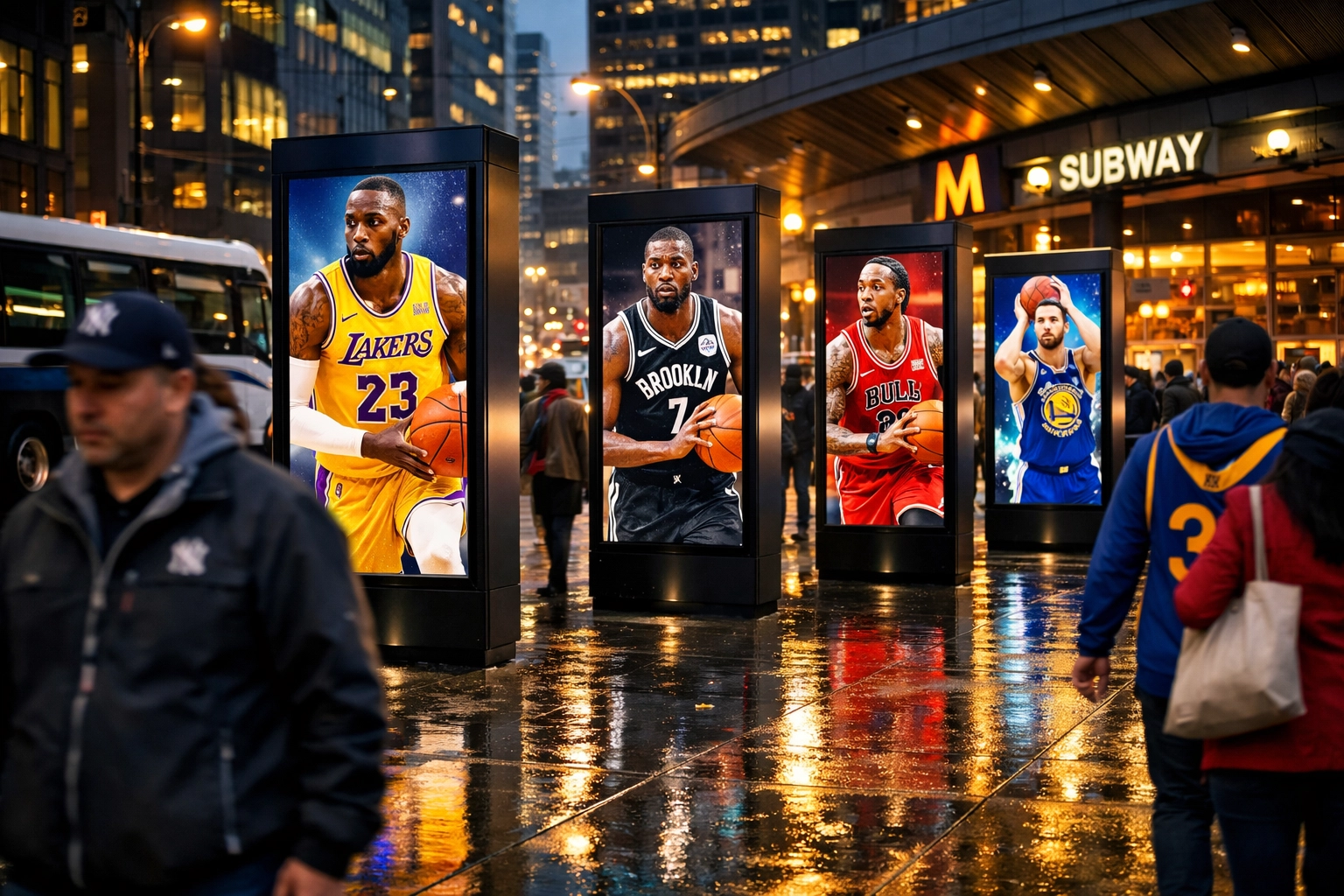
Fans traveling to a major event represent a captive audience. Airports, train stations, and bus stops serve as critical entry points. Digital billboards located along major commute routes build anticipation, while interior transit advertising reaches fans traveling in social groups. This positioning amplifies word of mouth impact as excitement builds toward game time.
Sports Bars and Restaurants
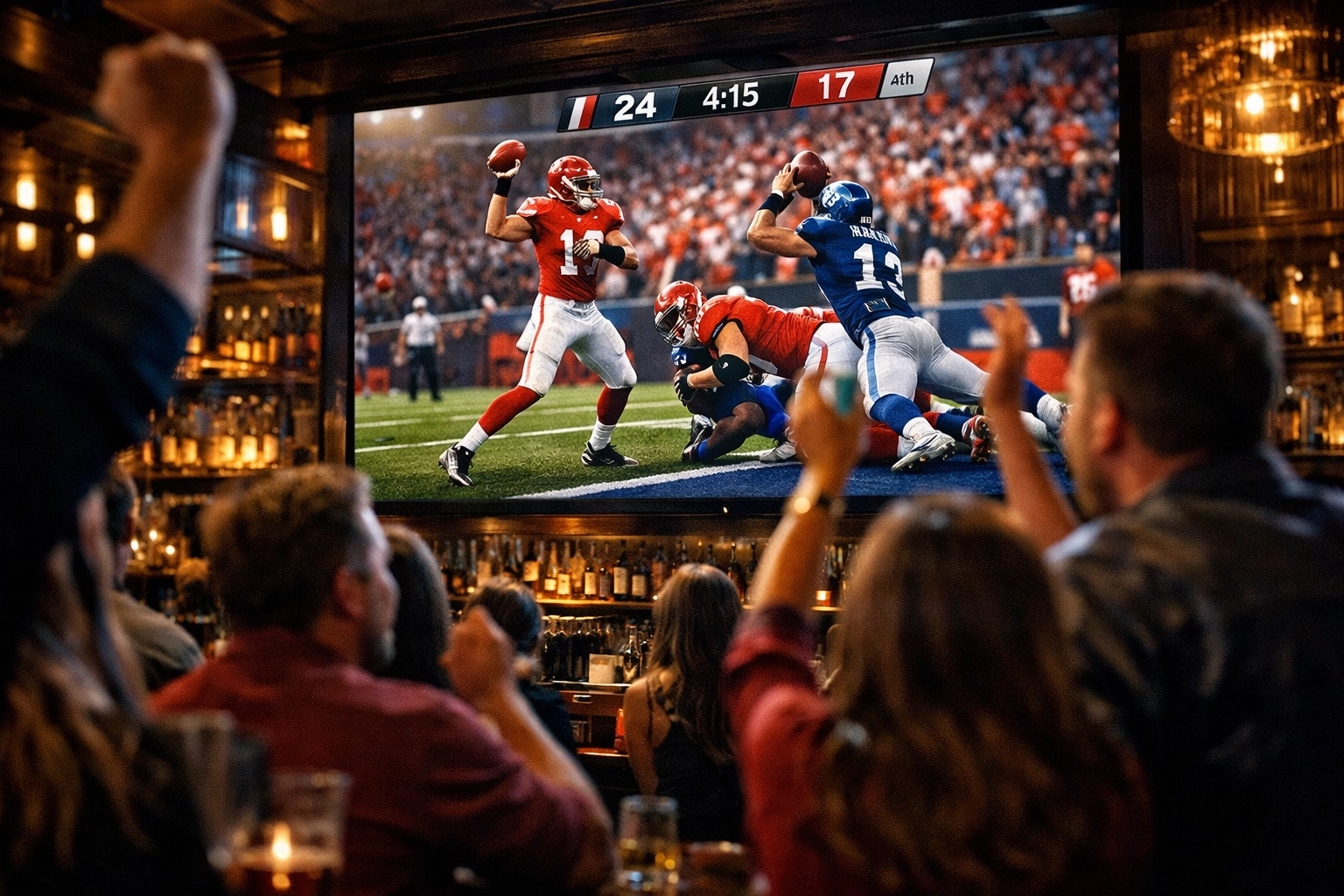
The engagement does not stop at the stadium gates. Over 59,000 premium digital screens are available across independent restaurants and national chains. These locations are where the broader fan base gathers to watch the game. By placing ads in these environments, brands can tap into the social energy of the viewing experience.
Retail and Convenience Points
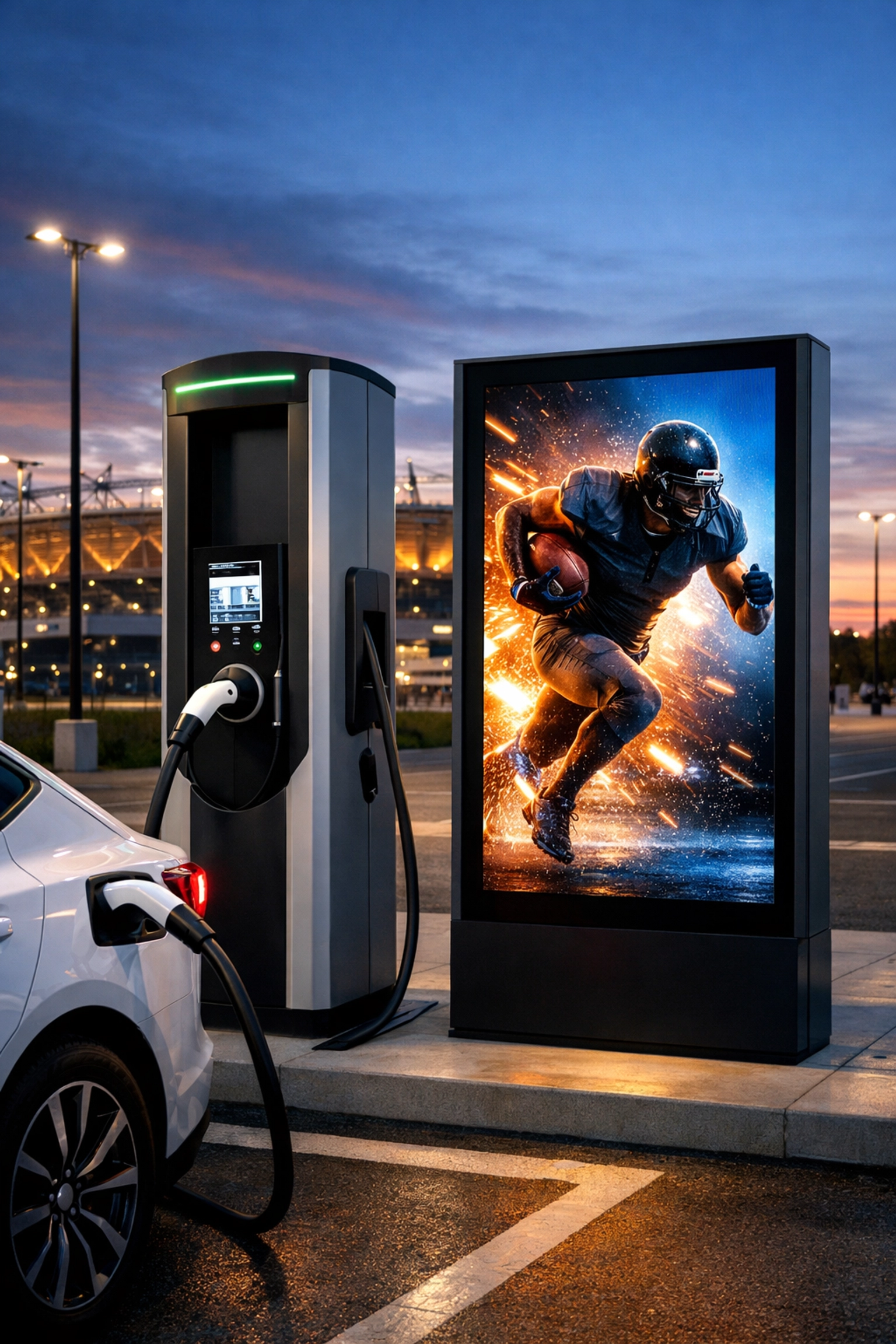
Strategic placements at malls, gas stations, and EV charging stations allow brands to engage fans during the pre game ritual. Whether a consumer is shopping for team gear or fueling up for a road trip, DOOH provides a final touchpoint before they reach their destination.
Programmatic Innovation and Dynamic Content
The true innovation in sports DOOH lies in programmatic technology. Programmatic digital out of home (prDOOH) allows for the automated buying and selling of ad space, but its real value is found in dynamic creative optimization.
Real Time Data Triggers
Ads can now be programmed to change based on live data feeds. Common triggers include:
- Live game scores and play by play updates.
- Weather conditions (e.g., promoting hot beverages during a cold game).
- Countdown clocks leading up to a major kickoff.
- Real time betting odds for sports wagering campaigns.
This technology ensures that the creative is always relevant. A campaign for a beverage brand can celebrate a touchdown the moment it happens, creating a sense of shared experience between the brand and the fan. OOH Sports marketing strategies frequently utilize these triggers to increase engagement.
Contextual Relevance
Programmatic buying allows media managers to gain an edge in contextual relevance. By using data to understand fan mindsets, brands can deliver post game messaging that includes congratulatory offers or limited time promotions. This approach capitalizes on the emotional peaks of a win, driving higher purchase consideration.
The Omnichannel Reinforcement Strategy
DOOH does not exist in a vacuum. Its most effective application is as a "primer" for other digital channels. This is known as the priming effect. Research indicates that consumers who are exposed to a DOOH ad are significantly more likely to engage with a mobile or television ad from the same brand later.
A common successful tactic involves running a short video cutdown on urban panels during a fan's morning commute, followed by a longer television spot during the game. This reinforcement strengthens the memory structure of the campaign. After the event, brands can retarget exposed audiences through connected TV (CTV) or digital audio as fans listen to post game highlights or podcasts.
Measuring Success and ROI
In the past, out of home advertising was often criticized for a lack of measurable data. Today, the integration of device IDs and location based analytics has turned DOOH into a highly measurable medium.
Brand Lift and Purchase Consideration
Data from recent campaigns demonstrates the power of this medium. For instance, a programmatic DOOH campaign for a major vodka launch saw a 74% lift in purchase consideration. Detailed analysis of these results can be found in the White Claw case study. Similarly, other beverage brands have seen up to a 119% lift in positive brand image by utilizing real time triggers and strategic placements.
Foot Traffic and Attribution
By tracking anonymized mobile device IDs that have been exposed to a DOOH screen, brands can measure "store visits" or "stadium visits." This allows for a direct line of sight from the ad exposure to the consumer action. Whether the goal is to drive fans to a retail location or a specific website, the attribution models are now robust enough to justify significant investment.
Execution Tactics for Brand Managers
Launching a successful sports DOOH campaign requires a focus on logistics and strategic alignment. The following steps provide a framework for execution:
- Define the Audience Persona: Identify not just who the fan is, but where they will be during the game day cycle.
- Select Targeted Networks: Choose between stadium screens, transit hubs, or sports bars based on the audience's movement.
- Implement Dynamic Creative: Use data feeds to ensure the message stays fresh and relevant to the live action.
- Integrate with Omnichannel: Sync the DOOH flight times with mobile and social media spend to maximize the priming effect.
- Analyze and Optimize: Use real time reporting to shift budget toward the screens and times that are delivering the highest engagement.
For those looking to explore more in depth strategies, the OOH Sports blog offers a variety of resources on topics ranging from ROI delivery to real time betting campaigns.
Final Considerations
Innovation in sports DOOH is not just about having the biggest screen. It is about using technology to meet the fan in the right place, at the right time, with a message that resonates with their current experience. By leveraging programmatic tools, real time data, and strategic omnichannel integration, brands can achieve measurable success that stays ahead of the competition.
As the industry continues to evolve, the focus remains on creating seamless, immersive experiences. For media buyers, the opportunity to capture a share of the growing sports advertising market lies in the ability to adapt to these digital innovations. To learn more about how to get started, you can visit the OOH Sports contact page or read about the company's mission.