
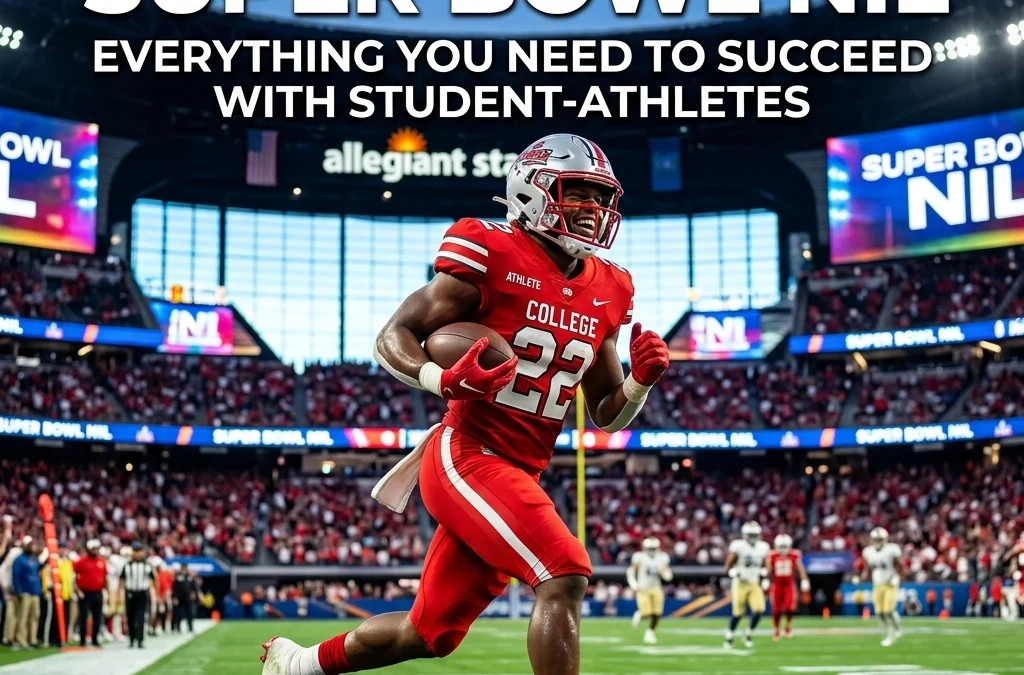
The landscape of sports marketing underwent a massive shift during the Super Bowl 2026 season. While traditional television commercials once held a monopoly on the big game, the rise of Name, Image, and Likeness (NIL) partnerships has changed the playbook for media buyers everywhere. This guide explores how brands utilized over 20,000 authentic student-athlete voices to dominate the conversation without the price tag of a thirty-second broadcast spot.
Strategy: The NIL Revolution in Sports Marketing
The 2026 Super Bowl served as a definitive proof of concept for NIL strategies at scale. Traditionally, sports advertising focused on high-production, high-cost placements in stadiums or on national networks. However, the democratization of sponsorship through the OOH Sports NIL platform allowed brands to bypass traditional gatekeepers.
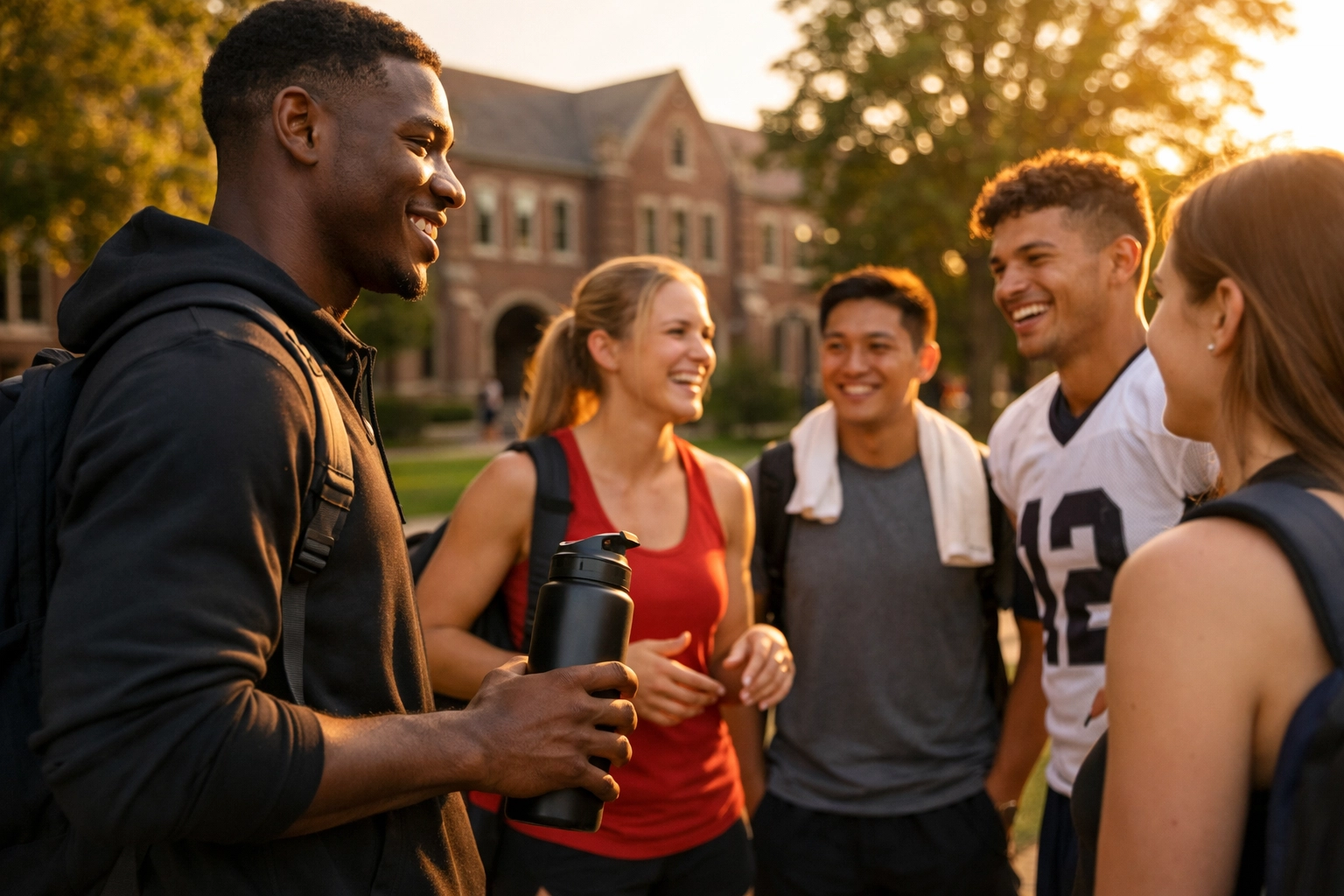
By leveraging student-athletes, brands successfully tapped into localized, high-trust communities. These athletes are not just influencers. They are community leaders with built-in audiences that value authenticity over polished corporate messaging. The core strategy involved moving away from a single "mega-star" endorsement and instead activating thousands of student-athletes simultaneously. This created a surround-sound effect that reached consumers where they live, work, and play.
Objective and Strategy: Connecting with 20,000 Authentic Voices
The primary objective for media buyers in 2026 was to maximize organic impressions while maintaining a lower barrier to entry compared to traditional media. The strategy centered on three main pillars:
- Massive Scale: Using a platform to manage over 20,000 student-athletes ensured that a brand's message was present in every major college town and metro area across the country.
- Hyper-Local Relevance: Athletes shared content that resonated specifically with their peers and local fans, leading to higher engagement rates than generic national ads.
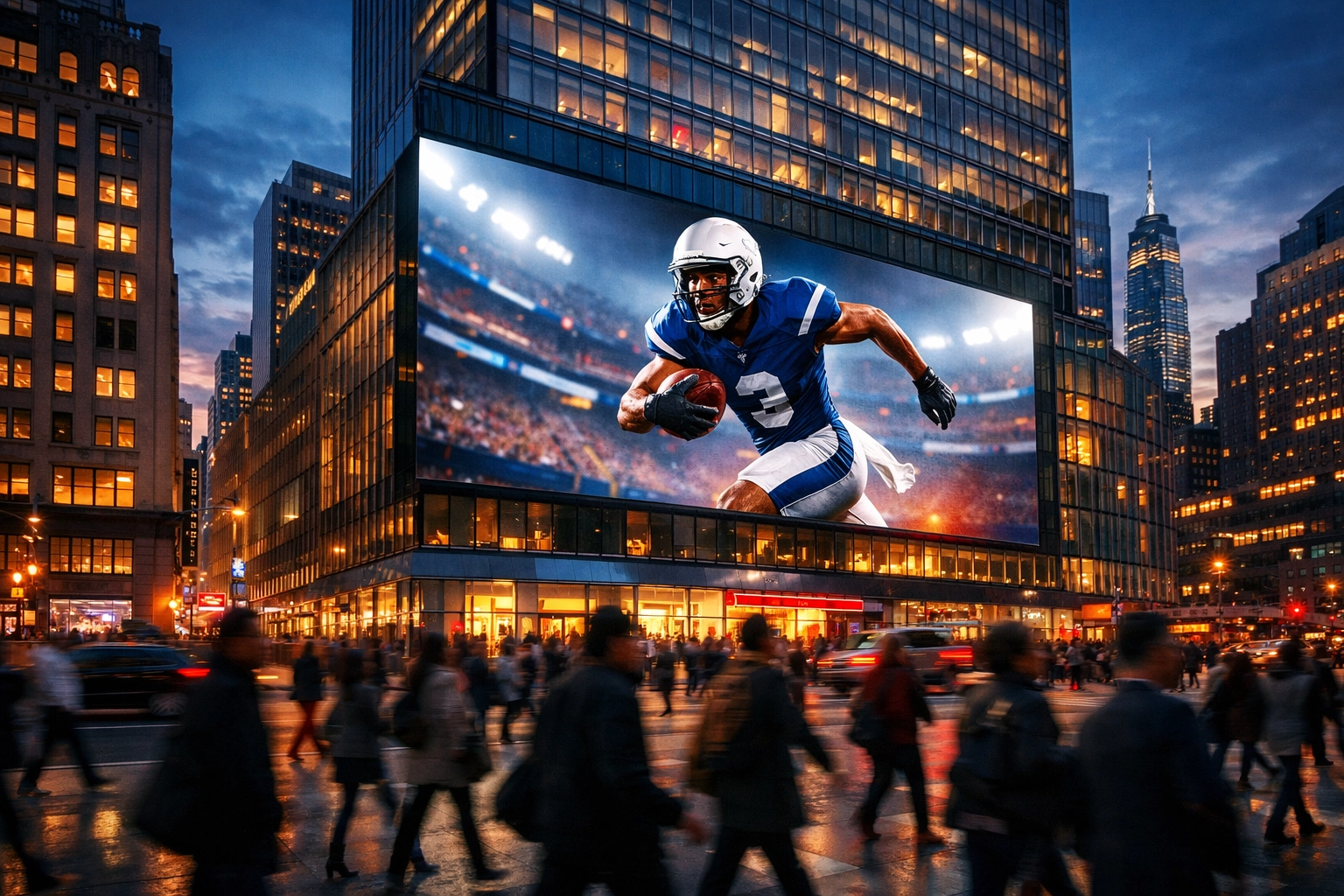
- Omnichannel Integration: NIL content was not confined to social media. It was integrated into broader marketing strategies that included digital out of home (DOOH) displays near campus hubs and high-traffic event zones.
This multi-layered approach ensured that the brand remained top-of-mind throughout the Super Bowl weekend. Research shows that successful campaigns in 2026 integrated NIL athletes strategically as a supplement to broader advertising efforts rather than using them in isolation.
The Power of Student-Athlete Influence
The impact of these athletes goes beyond a simple post. To understand the depth of this connection, view the following analysis on how athlete partnerships are reshaping the industry:
https://www.youtube.com/watch?v=l6J-0zileKE
Execution and Logistics: The NIL Platform
Managing 20,000 separate contracts and creative assets would be an impossible task without the right technology. The OOH Sports NIL platform streamlined the entire process. Media buyers could select athletes based on specific demographics, sports, and geographic locations.
The execution process followed a structured timeline:
- Talent Selection: Media buyers utilized data-driven insights to identify athletes whose followers aligned with the target consumer profile.
- Creative Deployment: Simple, authentic creative briefs were sent to athletes, allowing them to maintain their personal voice while hitting key brand talking points.
- Real-Time Tracking: Performance was monitored through a centralized dashboard, allowing for adjustments to be made during the peak of Super Bowl excitement.
Technology Partners and Measurement
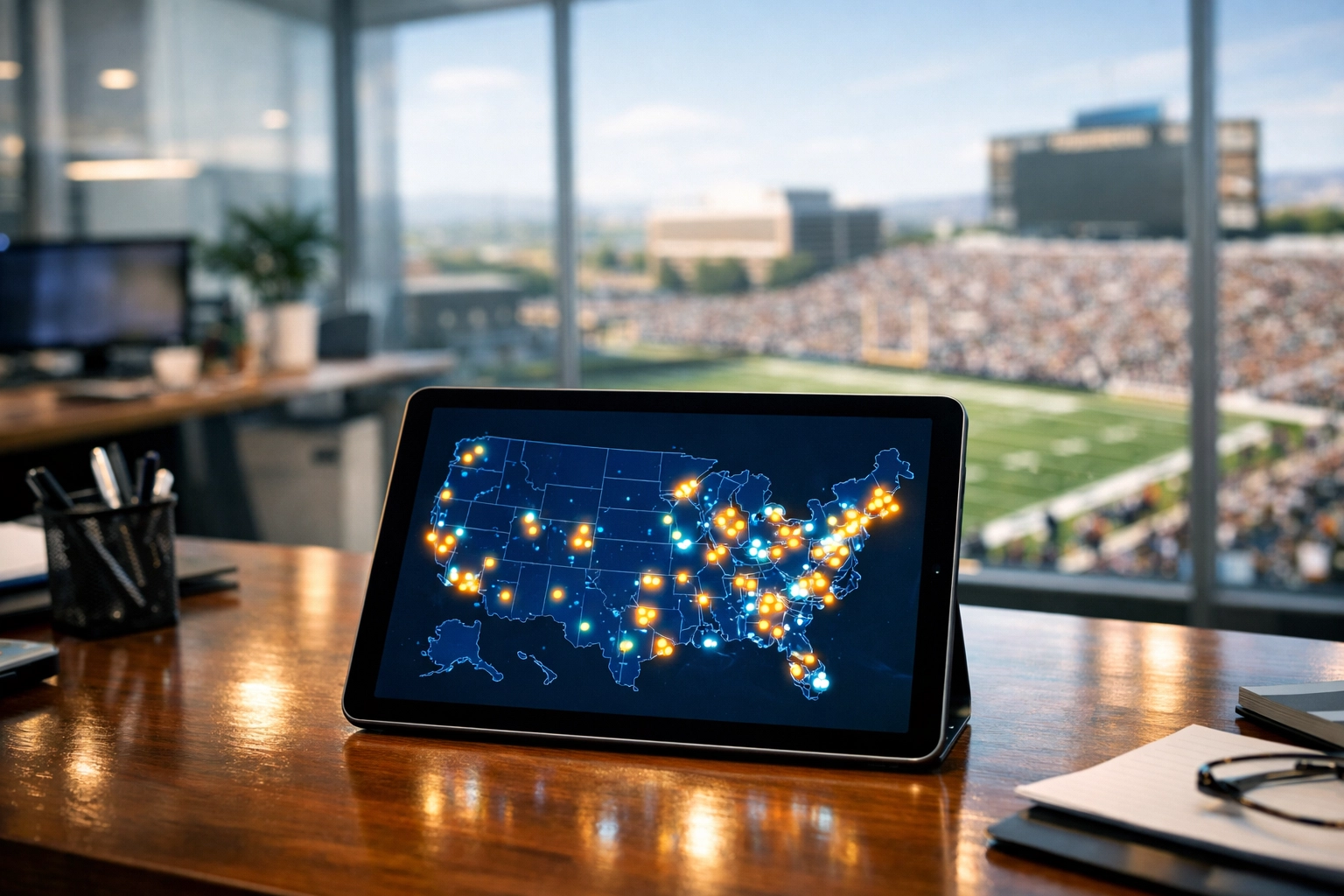
The success of NIL at the Super Bowl was largely due to the use of advanced measurement tools. Media buyers focused on several key metrics to prove ROI:
- Brand Lift Studies: By comparing exposed and unexposed audiences, brands measured shifts in purchase consideration and brand preference.
- Device IDs Exposed: Using location-based data, advertisers tracked how many people saw a student-athlete's DOOH ad and then later visited a retail location or website.
- Attribution Modeling: This linked digital engagements directly to sales spikes during the Super Bowl weekend.
The integration of programmatic DOOH with NIL social posts provided a holistic view of the consumer journey. For instance, brands that utilized programmatic DOOH vs traditional stadium ads often saw a more measurable return on investment due to the precision of the targeting.
Results: Why NIL Wins
The results from the 2026 Super Bowl cycle speak for themselves. NIL-backed campaigns frequently outperformed traditional multi-million dollar television spots in terms of organic reach and consumer trust.
Key data points included:
- Organic Impressions: NIL athletes generated a volume of organic impressions that, in some cases, exceeded those of national broadcast commercials.
- Engagement Rates: Student-athletes maintained an average engagement rate significantly higher than professional athletes or celebrity influencers.
- Cost Efficiency: The cost per thousand (CPM) for NIL campaigns remained significantly lower than the cost of entry for Super Bowl television inventory.
Successful brands realized that the $50 billion sports advertising market, which is projected to reach its peak by 2030, is increasingly being driven by these authentic voices. More information on these market shifts can be found in the strategy guide for the 2030 market.
Case Study Insights: Real-World Success
Several case studies from the past few years highlight the effectiveness of this approach. For example, brands in the beverage and apparel sectors have seen massive lifts in brand image and purchase consideration by focusing on authentic athlete storytelling rather than high-concept studio productions.
In one notable instance, a brand achieved a 144 percent increase in purchase consideration by combining localized DOOH with NIL social amplification. This "local hero" strategy makes a brand feel like a part of the community rather than an outside advertiser trying to buy attention.
Implementing Your Super Bowl NIL Strategy
For media buyers looking to capitalize on the next big game, the process starts with early planning. The following steps are recommended:
- Define the Audience: Look beyond broad demographics. Identify the specific sub-cultures and fan bases that align with the brand.
- Select the Right Mix: Balance a few high-profile athletes with thousands of "micro-influencer" student-athletes for maximum coverage.
- Prioritize Authenticity: Allow the athletes to create content that feels natural to their feed. Forcing a corporate script often leads to lower engagement.
- Leverage DOOH: Amplify the digital content by placing it on physical screens in the athletes' home markets. This bridges the gap between the digital and physical worlds.
The transition to NIL-focused marketing represents a permanent shift in the advertising industry. As brands move away from the "one size fits all" approach of the past, the ability to activate 20,000 unique voices becomes a significant competitive advantage.
For those interested in learning more about the logistics and policies behind these campaigns, visit the OOH Sports marketing page or reach out via the contact page to start planning for the next season.
The Super Bowl is no longer just about the game on the field. It is about the thousands of conversations happening across the country, led by the student-athletes who represent the future of sports and brand influence. By leveraging the right platform and a data-driven strategy, any brand can secure a winning position during the biggest weekend in advertising.