
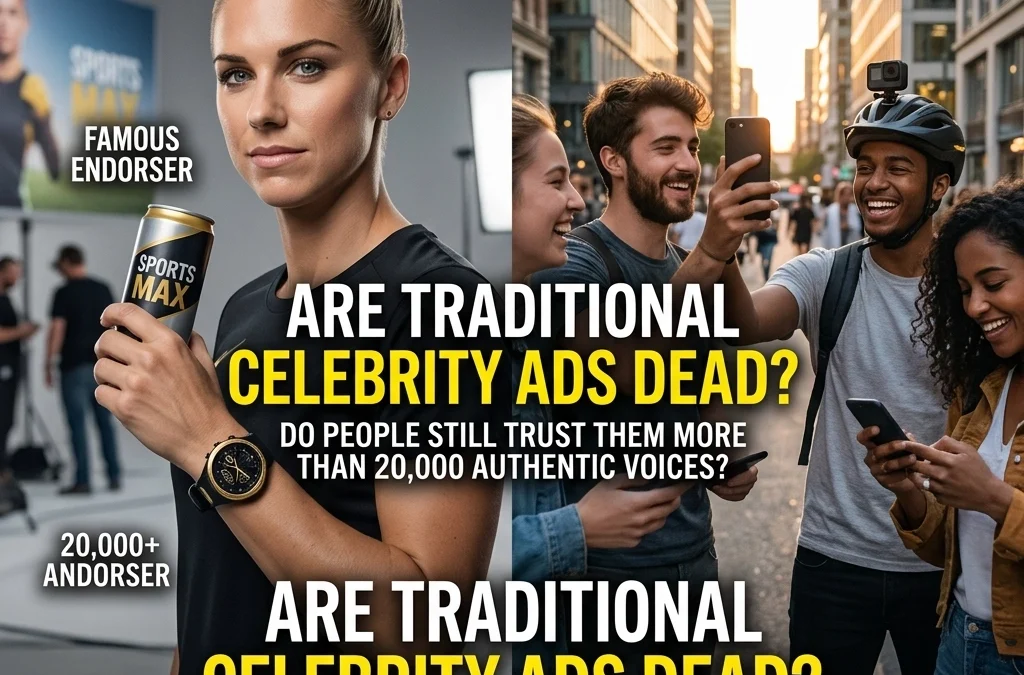
The advertising landscape for the 2026 Super Bowl reflects a significant departure from traditional norms. While A-list celebrities once dominated the screen, data indicates that the effectiveness of these high-cost endorsements has stagnated. Research suggests that roughly 25 percent of advertisements feature celebrities, yet these ads often perform no better than those without them when measuring actual sales impact. The fundamental issue is that direct, straightforward celebrity endorsements simply do not have the same impact they once did. This shift is particularly evident as media buyers prepare for the largest sporting event of the year, looking for ways to cut through the noise with genuine connection rather than just star power.
The Evolution of Sports Marketing
Traditional celebrity power has diluted. The cultural impact of major figures has been watered down in recent years due to the sheer number of public figures available across digital platforms. Even global icons lack the culture-changing influence of past eras. In this environment, brands are increasingly favoring micro and mid-tier influencers, specifically student-athletes, to reach younger audiences. Millennials and Gen Z prefer influencers because they offer authenticity and feel like trusted friends rather than distant celebrities.
The economic context also plays a vital role. During times of economic fluctuation, audiences view recommendations from wealthy entertainers with increased skepticism. In contrast, the story of a student-athlete working toward a professional career resonates with a broader demographic. This shift in trust is the foundation for the Name, Image, and Likeness (NIL) revolution that is currently reshaping how brands approach the Super Bowl season.
Objective and Strategy: The NIL Revolution
The primary objective for media buyers in 2026 is to move from passive viewership to active engagement. The OOH Sports NIL platform addresses this by connecting brands with over 20,000 authentic student-athlete voices. The strategy focuses on leveraging the hyper-local and hyper-loyal followings of these athletes to create a "surround sound" effect during the Super Bowl period.
Instead of putting all resources into a single 30-second television spot featuring a retired movie star, the strategy involves distributing that same budget across thousands of authentic creators. This approach ensures that the brand message is delivered by individuals who have a direct, personal connection with their audience. The objective is to achieve a higher trust rating and a better return on investment by prioritizing relatability over fame.
The Power of 20,000 Authentic Voices
The scale of the OOH Sports NIL platform is a key differentiator for campaign execution. By utilizing a network of 20,000 student-athletes, a brand can achieve national reach while maintaining a local feel. This is particularly effective for multi-market campaigns where the tone needs to shift based on regional preferences or local sports rivalries.
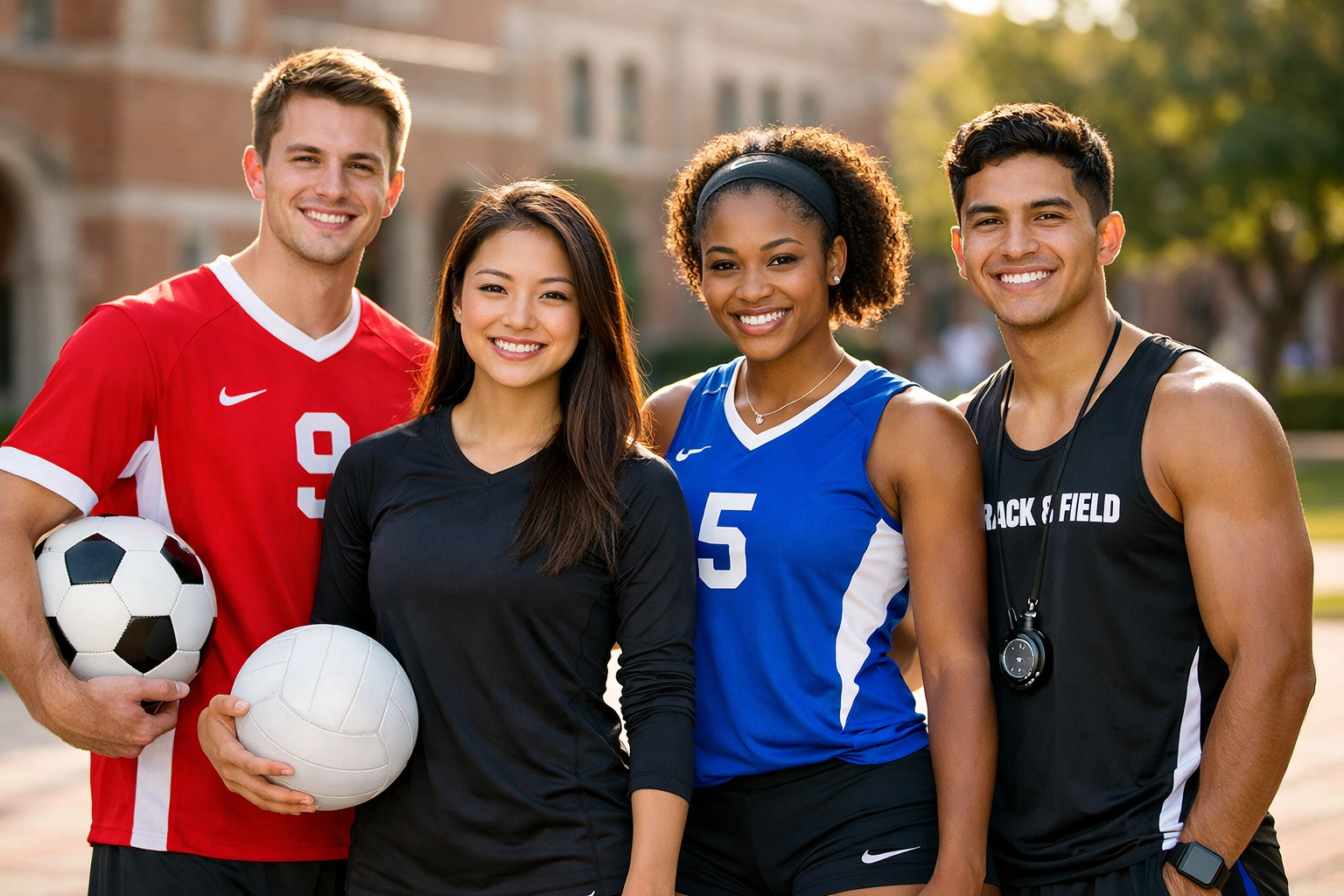
When 20,000 athletes share a brand message, it creates a grassroots movement that feels organic. These athletes are not just faces on a screen. They are leaders in their campus communities and influencers in their specific sport niches. For media buyers, this provides a level of targeting that traditional celebrity ads cannot match. Whether the goal is to reach college football fans in the Southeast or basketball enthusiasts on the West Coast, the NIL platform allows for precision at scale.
Strategy: Integrating NIL with Digital Out-of-Home
One of the most effective tactics for the 2026 season is the integration of NIL content with programmatic Digital Out-of-Home (DOOH). By featuring student-athlete content on Sportrons and other digital displays near stadiums and campuses, brands can create a seamless omnichannel experience.
The strategy involves taking the high-performing social content created by the 20,000 student-athletes and amplifying it through physical advertising channels. This creates a bridge between the digital and physical worlds. For instance, a fan might see a student-athlete post about a product on their phone and then see that same athlete on a digital billboard outside the Super Bowl venue. This reinforcement builds brand recall and reinforces the authenticity of the message.
Implementation: Scaling Personal Connections
The logistics of managing 20,000 individual creators were once a barrier to entry for many brands. However, specialized platforms now allow for streamlined campaign execution. The process begins with identifying the athletes whose audience demographics align with the brand’s target market.
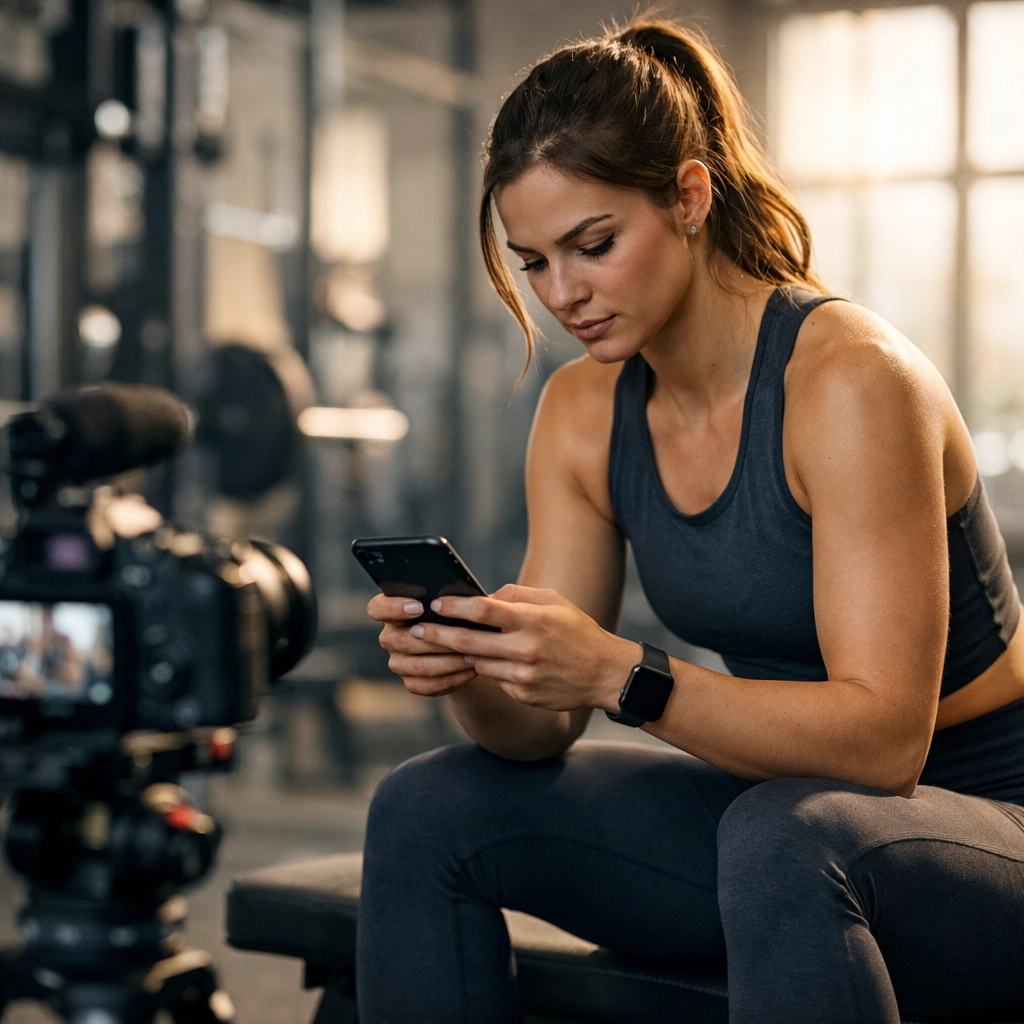
Once selected, the athletes are provided with creative briefs that allow for personal expression. This is a critical step because the value of the NIL voice lies in its individuality. If every athlete posts the exact same script, the authenticity is lost. The OOH Sports approach encourages athletes to integrate the brand into their actual daily lives, whether that is during training, at the gym, or traveling to games. This content is then vetted, approved, and pushed live across social channels and DOOH networks simultaneously.
Results and Impact: Why Authenticity Wins
Data from recent campaigns highlights the success of this decentralized approach. For example, brands using a diverse group of micro-influencers have seen significantly higher engagement rates compared to those relying on a single A-list celebrity. While a celebrity might bring high reach, the conversion rates often lag.
In contrast, campaigns that leverage student-athletes often see a lift in purchase consideration. This is consistent with trends seen in other sectors, such as White Claw's programmatic DOOH campaign, which saw a 74 percent lift in purchase consideration by focusing on specific consumer behaviors and locations. Similarly, the use of authentic voices creates a positive brand image that is difficult to manufacture with traditional advertising. For more on how these metrics are measured, see the case study section.
Video: Scaling the Message
To understand the full scope of how the NIL platform operates and its impact on the modern media landscape, watch the following overview:
https://www.youtube.com/watch?v=l6J-0zileKE
The Technological Advantage: Programmatic DOOH
The rise of programmatic DOOH is a major factor in the shift away from traditional celebrity ads. By 2030, sports advertising in the DOOH space is expected to hit $50 billion. This growth is driven by the ability to launch real-time campaigns that react to game results or player performance.
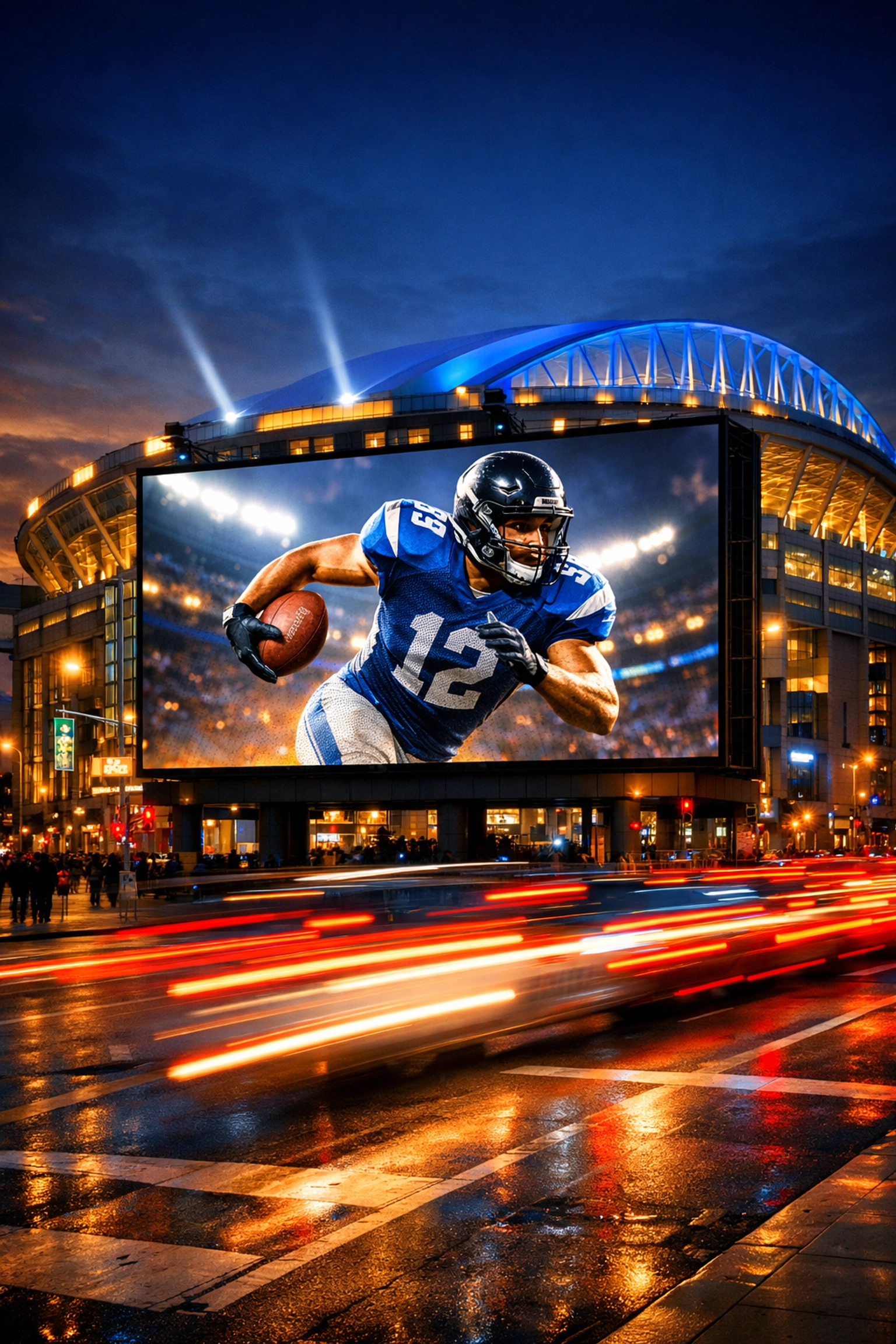
Media buyers are now using StackAdapt and other DSPs to drive adoption of these omnichannel strategies. The ability to swap out creative in under 24 hours means that a brand can feature a student-athlete who just had a breakout performance, capturing the cultural moment while it is still fresh. This level of agility is something a traditional, multi-million dollar celebrity commercial cannot offer.
Looking Ahead to 2026 and Beyond
As the 2026 Super Bowl approaches, the question is no longer whether celebrity ads are "dead," but rather how they can be supplemented or replaced by more effective, authentic alternatives. The trust once reserved for movie stars has shifted to the 20,000 student-athletes who represent the future of sports and culture.
For media buyers, the path forward involves embracing the NIL revolution and integrating it with modern advertising technology. By focusing on authenticity, local connection, and programmatic agility, brands can ensure their message is not just seen, but trusted. The transition from a few loud voices to 20,000 authentic ones is not just a trend. It is a fundamental shift in how people consume and react to advertising in the modern age.
For those interested in exploring these strategies further, the marketing and blog sections provide deeper insights into the changing dynamics of the industry. As the sports marketing world continues to evolve, the brands that prioritize real connections over traditional celebrity sheen will be the ones that win the long game.

Whether it is through stadium advertising or real-time sports betting campaigns, the integration of authentic athlete voices remains the most potent tool in the media buyer's arsenal. The 2026 season will likely be remembered as the year when the power of the many officially surpassed the influence of the few.