
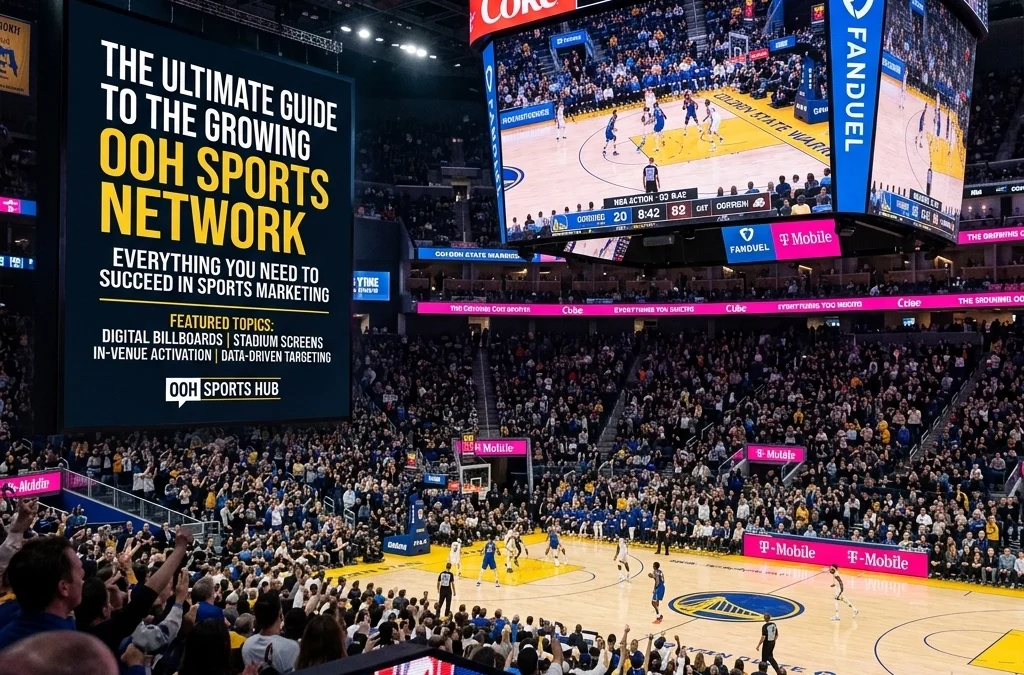
OOH Sports announces a significant milestone in the evolution of sports marketing with the expansion of its digital out-of-home (DOOH) network. The network now encompasses more than 25,000 digital screens strategically placed across sports venues, fan congregation points, and high-traffic transit hubs throughout America. This expansion represents a fundamental shift in how brands interact with audiences, moving beyond traditional static signage toward a dynamic, data-driven advertising ecosystem.
As the demand for real-time engagement grows, this network provides media buyers with a scalable solution to reach fans during peak emotional moments. By blending physical presence with digital precision, the OOH Sports network offers an evergreen platform for brands looking to dominate the sports landscape. For more information on the company mission, visit the about page.
A National Footprint with Local Precision
The primary challenge for many national brands involves managing the logistics of regional campaigns. The OOH Sports network eliminates these hurdles by providing a unified infrastructure that covers both major metropolitan areas and mid-sized markets. This scale allows for the execution of cohesive national campaigns that maintain local relevance through targeted creative.
The 25,000+ screen footprint ensures that messaging remains consistent across diverse geographic locations. Whether a brand is targeting fans at a stadium in New York or a sports bar in a smaller college town, the platform provides a centralized management system for all assets. This geographic distribution is essential for brands that require high frequency and broad reach without the complications of traditional regional planning.
Strategic Advantages of the Sporttron Digital Network
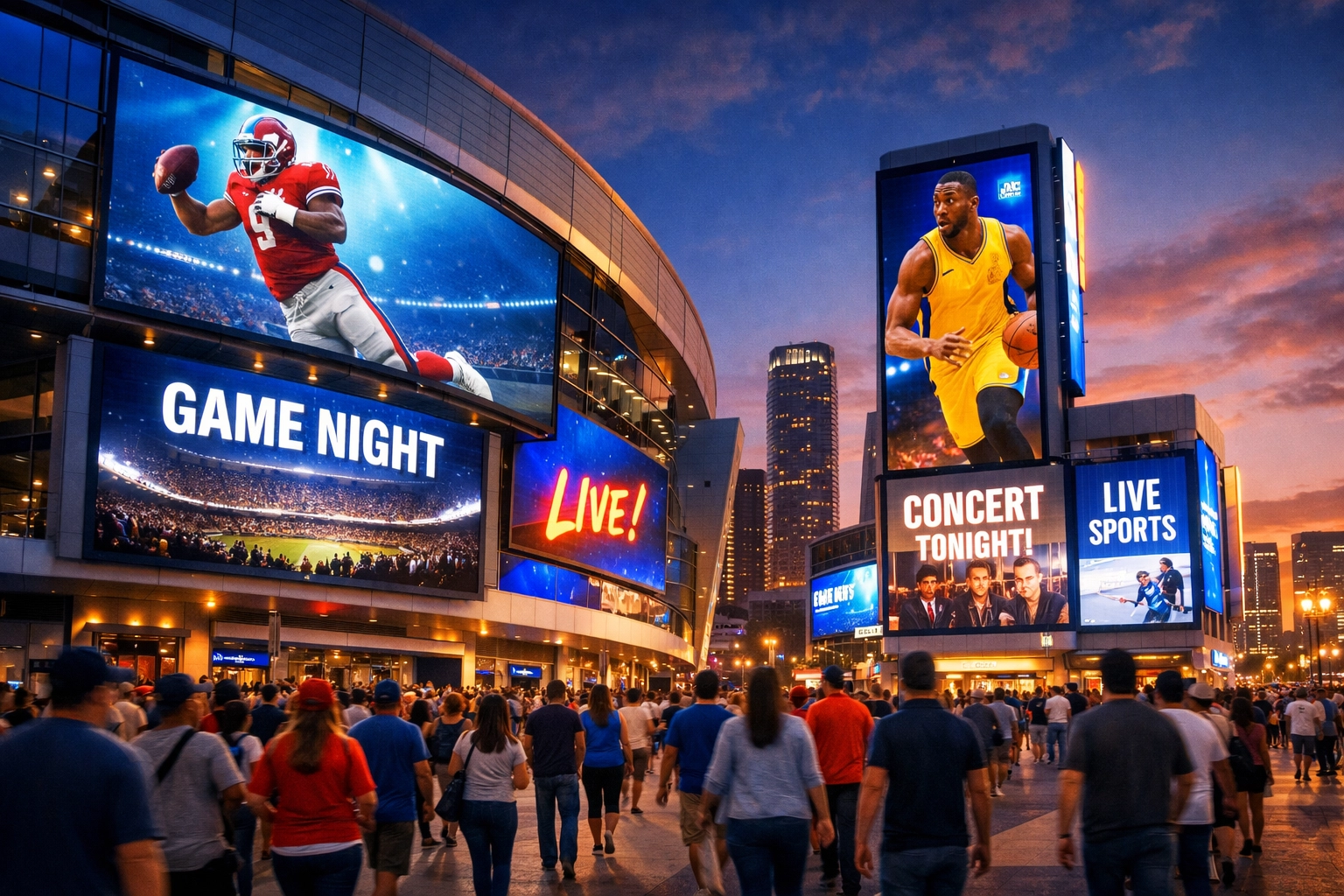
The backbone of this expansion is the Sporttron Digital Network. This system is designed to provide "surround-sound" advertising, capturing the attention of fans throughout their entire journey. The strategy moves beyond the stadium walls to include transit wait points, rideshare lots, shuttle queues, and hospitality locations.
Extended Impression Windows
Traditional broadcast advertising often relies on short, 30-second windows. In contrast, DOOH campaigns within the sports network operate across extended timeframes. Screens accumulate impressions from the moment a fan leaves their home until they return. This includes:
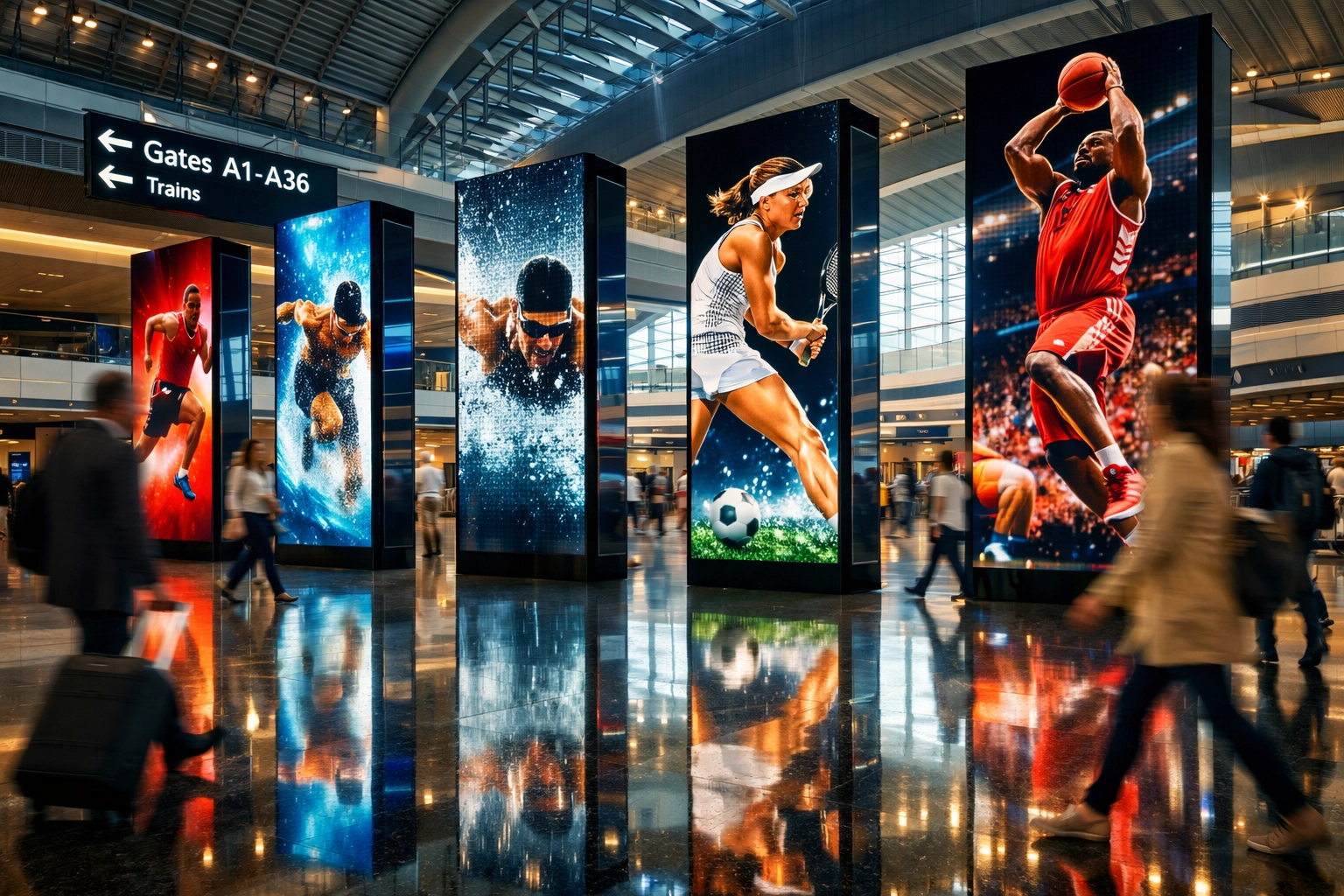
- Pre-game arrival at airports or train stations.
- Check-ins at partner hotels.
- Transit to the venue.
- In-stadium engagement during the event.
- Post-game celebrations at local bars and restaurants.
Contextual Relevance and Brand Recall
Fans within sports environments are pre-qualified as a receptive audience. Research indicates that creative messaging tied specifically to the moment, such as referencing the home team or a real-time game event, drives a 2.2x increase in brand recall compared to generic advertising. By utilizing the Sporttrons technology, advertisers can tailor content to match the specific atmosphere of each venue.
Integration of Physical and Digital Channels
Modern sports marketing requires a seamless connection between physical displays and digital interactions. The OOH Sports network functions as a physical anchor for broader omnichannel strategies. By using geofencing and device ID capture, the platform allows brands to identify audiences exposed to a screen and retarget them with follow-up digital messaging.
This closed-loop system provides a clear path from physical exposure to digital conversion. For example, a fan seeing a high-impact display at a stadium can be retargeted with a mobile offer for a nearby retail location or an e-commerce site. This methodology has been proven to increase purchase consideration significantly. A case study regarding Sea-Doo showed that a digital OOH campaign increased purchase consideration by 144 percent. More details on that specific execution can be found here.

Data-Driven Campaign Management and Measurement
The shift toward programmatic DOOH has introduced a new level of accountability to out-of-home advertising. The OOH Sports network utilizes sophisticated measurement systems to provide media buyers with detailed analytics on campaign performance.
Key Metrics Tracked:
- Total impressions and audience demographics.
- Engagement levels via QR code scans and social media mentions.
- Geographic performance within specific radius zones (up to three miles around venues).
- Attribution and brand lift studies.
The use of specialized platforms, such as the StackAdapt DSP, facilitates the adoption of programmatic buying within the sports vertical. This allows for real-time bidding and automated ad delivery based on specific triggers, such as game schedules or weather conditions.
Real-World Impact: Proving the ROI
The effectiveness of the growing network is evidenced by recent campaign results across various industries. Brands in the beverage, automotive, and apparel sectors have leveraged the OOH Sports infrastructure to achieve measurable business outcomes.
For instance, a campaign for White Claw's vodka launch utilized programmatic DOOH to drive a 74 percent lift in purchase consideration. Another initiative for Mike's Hard Iced Tea saw a 119 percent lift in positive brand image. These results demonstrate that the combination of high-impact visuals and contextual relevance creates a powerful incentive for consumer action. Readers can explore the Mike's Hard Iced Tea results at this link.
Implementation Best Practices for Media Buyers
To maximize the potential of the expanded OOH Sports network, media buyers should adhere to several strategic principles:
- Coordinate with Event Schedules: Align messaging with game times and fan behavior patterns to ensure maximum visibility during peak hours.
- Leverage Real-Time Capabilities: Use the digital nature of the network to update creative instantly in response to live sports outcomes or local news.
- Integrate Multi-Location Targeting: Combine stadium-based displays with transit and hospitality locations to maintain a consistent brand presence throughout the fan journey.
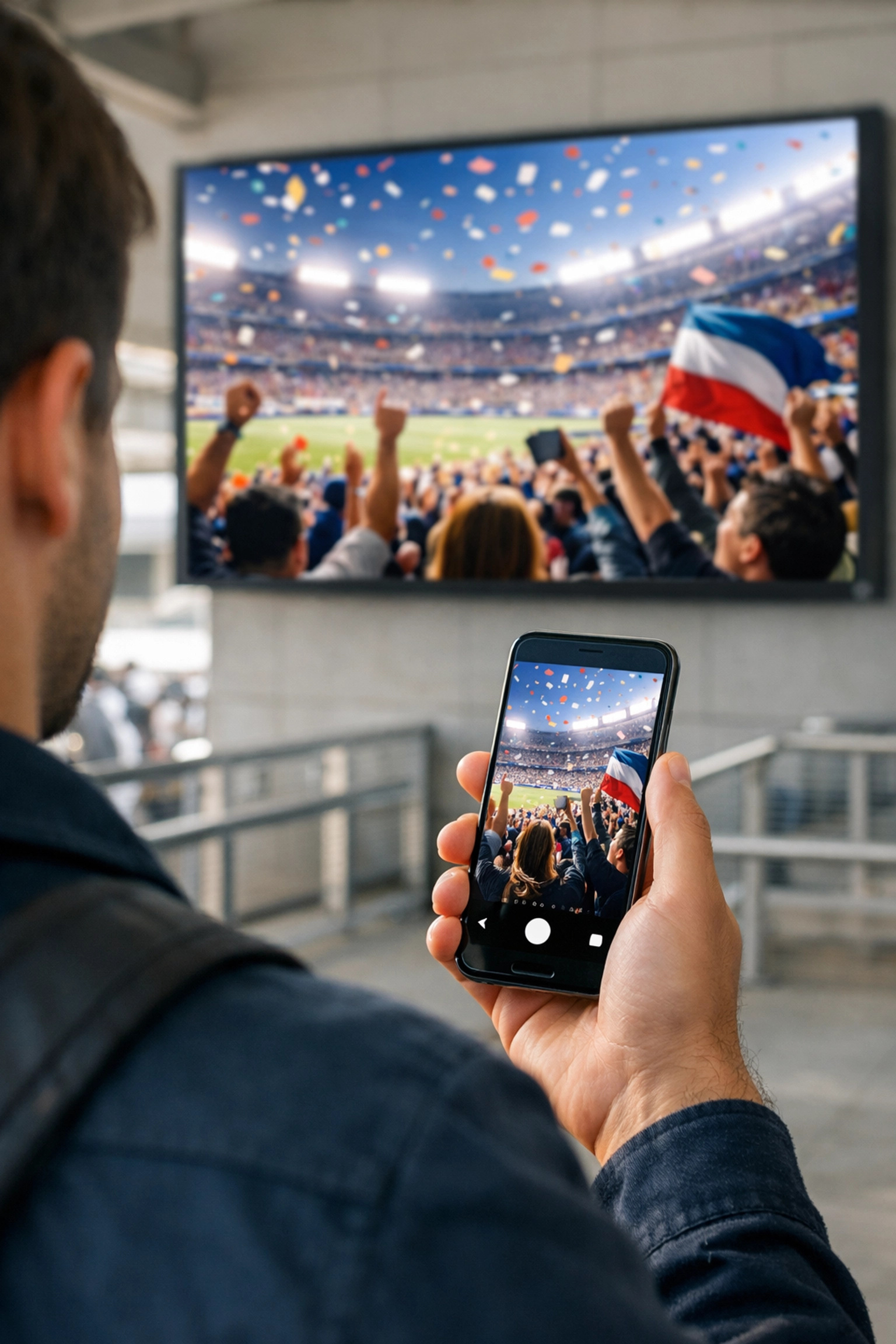
- Utilize Clear Calls to Action: Incorporate QR codes or branded hashtags to bridge the gap between physical viewing and digital engagement.
- Maintain Creative Contextuality: Reference local culture and team dynamics to build a deeper connection with the target audience.
The strategy of "owning the environment" was recently highlighted in a review of Nike's marketing during the NYC Marathon. Even without official sponsorship, the brand achieved dominance through strategic DOOH placements. This approach is further detailed in the article Nike wasn't an official sponsor.
The Future of Sports Advertising
Industry forecasts suggest that DOOH sports advertising will continue its upward trajectory, potentially hitting $50 billion by 2030. This growth is driven by digital fatigue among consumers and a renewed confidence in physical media as a performance channel. The OOH Sports network expansion is a direct response to this trend, providing the necessary scale and technology to meet future demand. For a deeper look at these market projections, visit the 2030 strategy guide.
By providing a platform that is both simple to use and technically advanced, OOH Sports enables brands to navigate the complexities of the modern media landscape. The network functions as a reliable partner for media buyers looking to deliver high-impact, measurable campaigns in an increasingly fragmented market.
Conclusion on Network Strategy
The expansion to 25,000+ digital screens marks a new era for OOH Sports. This milestone ensures that the company remains at the forefront of the advertising industry, offering unparalleled reach and engagement opportunities. For those interested in starting a campaign or learning more about the technical specifications of the network, the marketing page provides a comprehensive overview of available services.
For any legal inquiries or policy details, users can refer to the terms of service or the privacy policy. To get in touch with a representative for specific campaign planning, visit the contact page.