
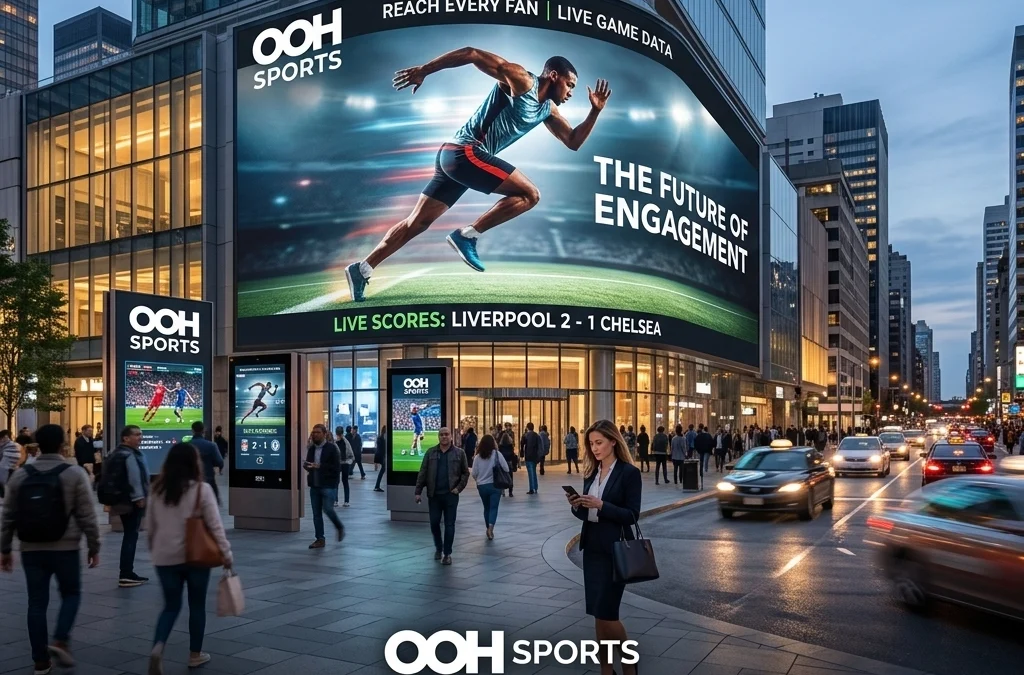
The landscape of out-of-home advertising has undergone a radical transformation. Moving far beyond the era of static paper billboards that remained unchanged for weeks, the industry now centers on Digital Out-of-Home (DOOH) technology. This shift represents more than just a change in display material; it signifies a complete overhaul in how brands communicate with consumers in the physical world. Innovation in this space allows for precision, flexibility, and measurement capabilities that were previously reserved for online channels.
Understanding the mechanics of DOOH innovation is essential for any brand looking to capture attention in high-traffic environments. As the industry moves toward a projected market value of 50 billion dollars by 2030, the strategies used today will define the market leaders of the next decade.
The Foundation: Programmatic DOOH Efficiency
At the core of modern innovation is Programmatic DOOH (pDOOH). This technology automates the buying and selling of ad inventory using computer-driven systems. Instead of manual negotiations and fixed-term contracts, programmatic systems utilize Demand-Side Platforms (DSPs) and Supply-Side Platforms (SSPs) to bid on impressions in real-time.
This automated workflow offers several key advantages for advertisers:
- Speed to Market: Digital creatives can be uploaded and distributed across hundreds of screens within minutes.
- Operational Efficiency: Automation reduces the manual labor involved in booking and executing a campaign.
- Budget Control: Advertisers can set strict caps on spending and adjust budgets on the fly based on performance.
- Impression-Based Buying: Rather than paying for a set time slot, brands pay for the actual number of times a person sees the ad.
The integration of programmatic systems like StackAdapt has been a major driver in making DOOH a standard part of omnichannel campaigns. By treating physical screens with the same data-driven logic as mobile or desktop ads, brands can create a unified journey for the customer.

Advanced Targeting and Data Integration
Innovation in DOOH is largely fueled by the intelligent use of data. Modern campaigns no longer rely on broad estimates of who might pass a screen. Instead, they use granular datasets to trigger ads at the exact moment they are most likely to influence a consumer.
Environmental Triggers
One of the most effective ways to use DOOH data is through environmental triggers. Advertisers can program screens to display specific content based on real-time conditions. For example, a beverage brand might only trigger an ad for an iced tea when the temperature exceeds 85 degrees. Similarly, a clothing retailer could highlight raincoats the moment a local weather sensor detects precipitation. This relevance ensures that the ad is not just a message, but a timely solution to a consumer's current state.
Location Intelligence
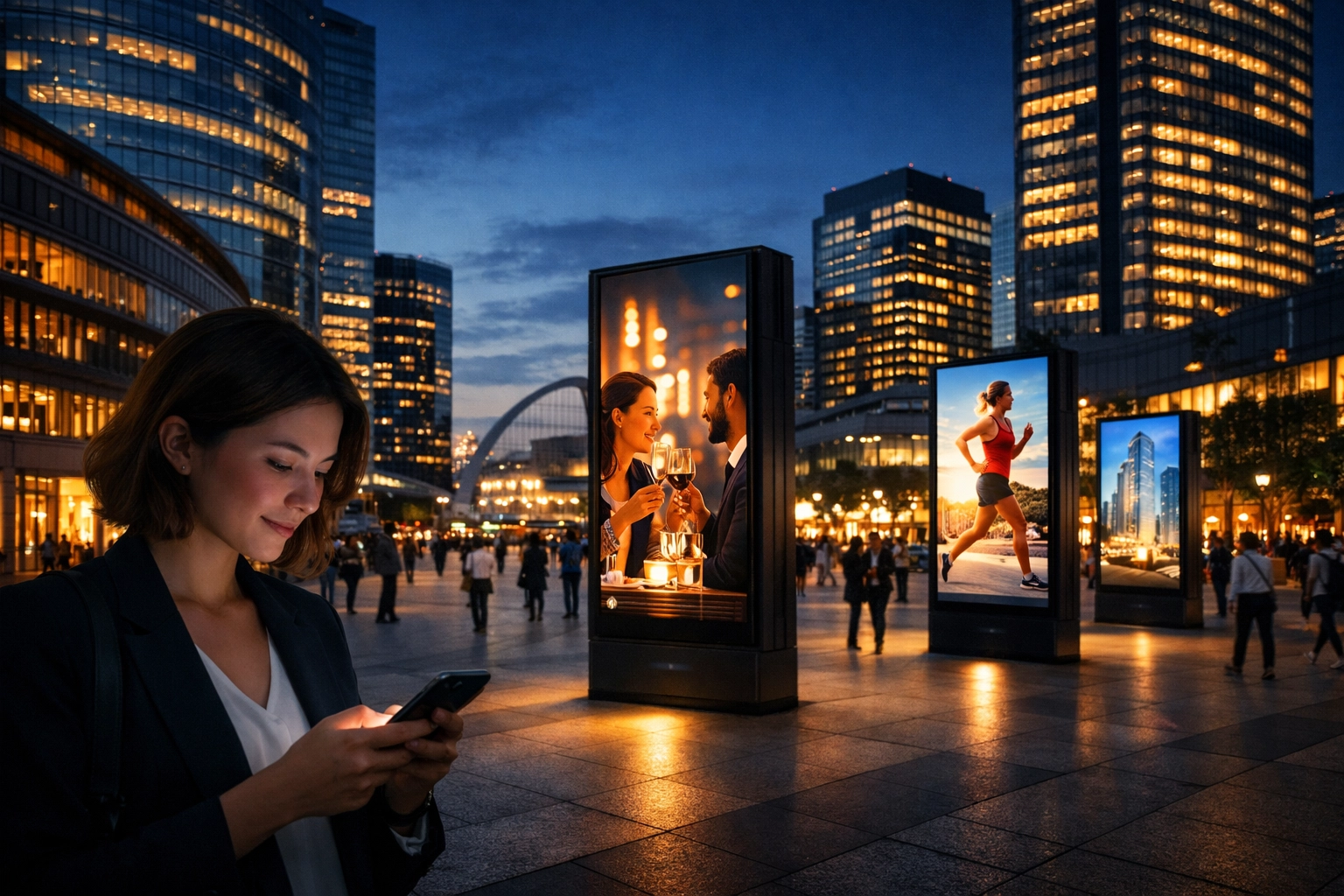
Mobile location data provides insights into audience movement patterns. By analyzing aggregated and anonymized device IDs, advertisers can determine where their target demographic spends time. This allows for hyper-localized messaging. If data shows that sports fans often visit a specific entertainment district before a game, ads can be concentrated on the digital screens in that specific area to maximize impact.
Dynamic Creative Optimization (DCO)
Static images are being replaced by Dynamic Creative Optimization (DCO). This technology allows a single campaign to have multiple versions of an ad, with the system automatically choosing which one to show based on the audience or environment.
DCO eliminates the creative fatigue that often plagues traditional advertising. In a sports context, a dynamic ad could display live scores from an ongoing game or update a countdown to a championship match. If a team wins, the creative can automatically switch to a congratulatory message featuring the winning score. This level of real-time relevance creates a much stronger emotional connection between the brand and the viewer.
Strategic use of DCO was a factor in how Nike maintained a presence during the NYC Marathon, using smart placement and creative relevance to capture the energy of the event without being an official sponsor.
The Power of Sports-Specific Environments
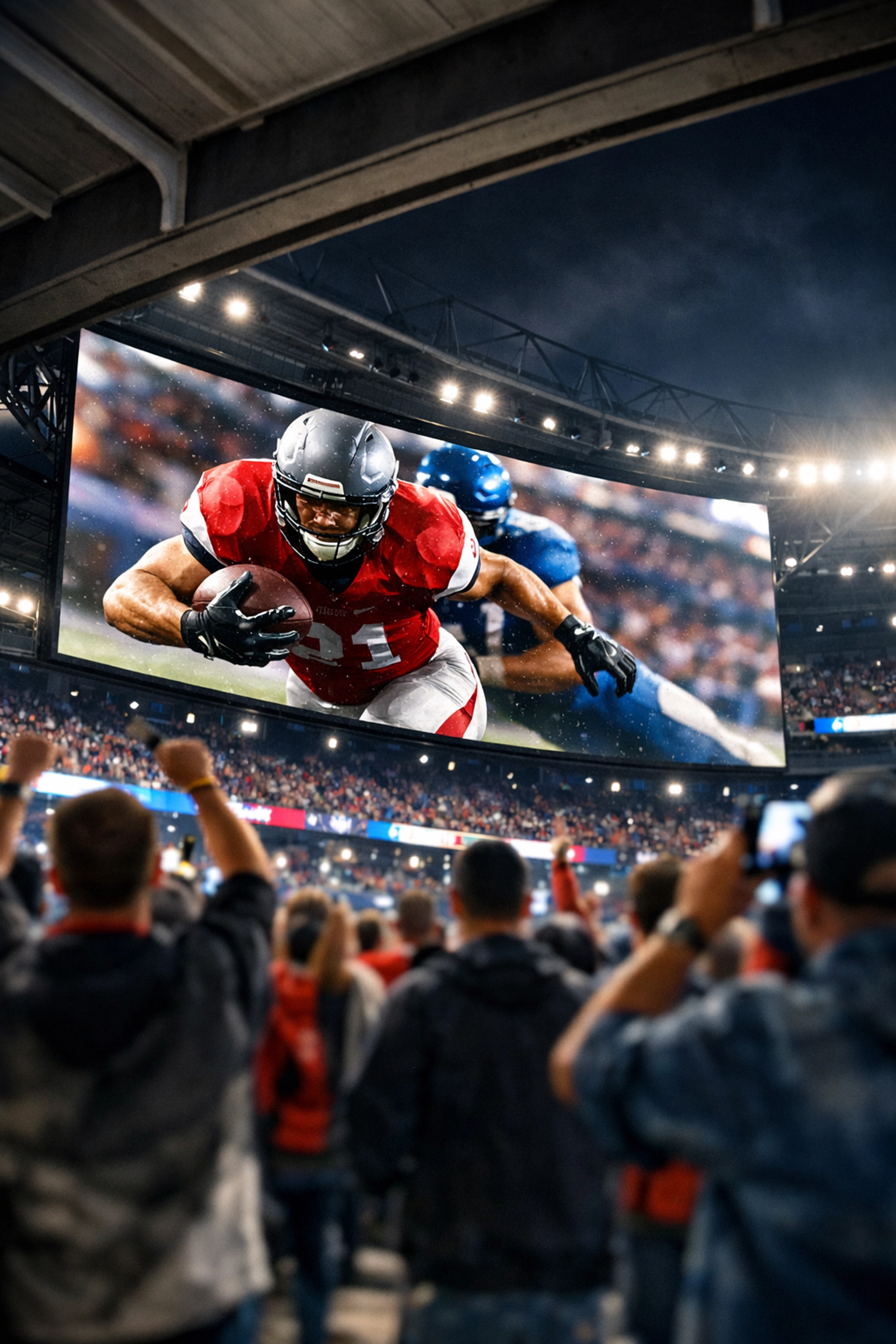
Sports venues and their surroundings represent some of the most valuable real estate in the DOOH ecosystem. Sportrons and digital stadium displays offer a unique environment where the audience is highly engaged and captive for several hours.
Innovation in sports DOOH focuses on three primary areas:
- Contextual Alignment: Placing ads next to content that matches the fan's passion.
- High-Traffic Integration: Utilizing screens in concourses, entryways, and adjacent transit hubs to follow the fan's journey.
- Real-Time Engagement: Using game events, such as a home run or a touchdown, to trigger specific brand celebrations on-screen.
The ROI of these environments is often superior to traditional broadcast ads because they lack a "skip" button and exist within a community-driven atmosphere. When a brand participates in the excitement of a live game, it benefits from the positive brand association generated by the event.
Interactive and Immersive Innovation
The next frontier of DOOH involves direct interaction between the screen and the consumer. Innovations like Augmented Reality (AR) and touch-screen interactivity are turning passive observers into active participants.
In high-traffic urban areas, interactive screens can offer games, product catalogs, or even "virtual try-on" experiences. A fan at a stadium could scan a QR code on a digital screen to unlock a 3D filter on their phone or receive a direct discount for a nearby merchant. These interactions provide a bridge between the physical and digital worlds, allowing brands to collect valuable first-party data while providing entertainment.
Quantifiable Results and ROI
The greatest innovation in DOOH is perhaps the ability to prove that it works. The industry has moved toward standardized measurement guides, such as those provided by the IAB, to ensure transparency and accountability.
Detailed case studies demonstrate the power of data-driven DOOH:
- White Claw: A programmatic DOOH campaign for a new vodka launch resulted in a 74% lift in purchase consideration.
- AB InBev (Mike's Hard Iced Tea): This campaign saw a 119% lift in positive brand image.
- Sea-Doo: Their first DOOH campaign led to a massive 144% increase in purchase consideration.
These results are measured through various methodologies, including brand lift studies and foot traffic attribution. By tracking device IDs that were exposed to an ad and then later appeared in a retail location, advertisers can directly link DOOH exposure to store visits. This level of attribution provides the clarity needed to justify larger investments in the channel.
Strategic Implementation for Long-Term Success
To succeed with DOOH innovation, brands must follow a logical implementation process. It is not enough to simply have a digital ad; the execution must be strategic.
Define Clear Objectives
Every campaign should begin with a specific goal, whether it is driving awareness for a new product, increasing foot traffic to a stadium storefront, or improving brand sentiment. These objectives dictate the choice of technology, from the type of DSP used to the specific environmental triggers selected.
Omnichannel Orchestration
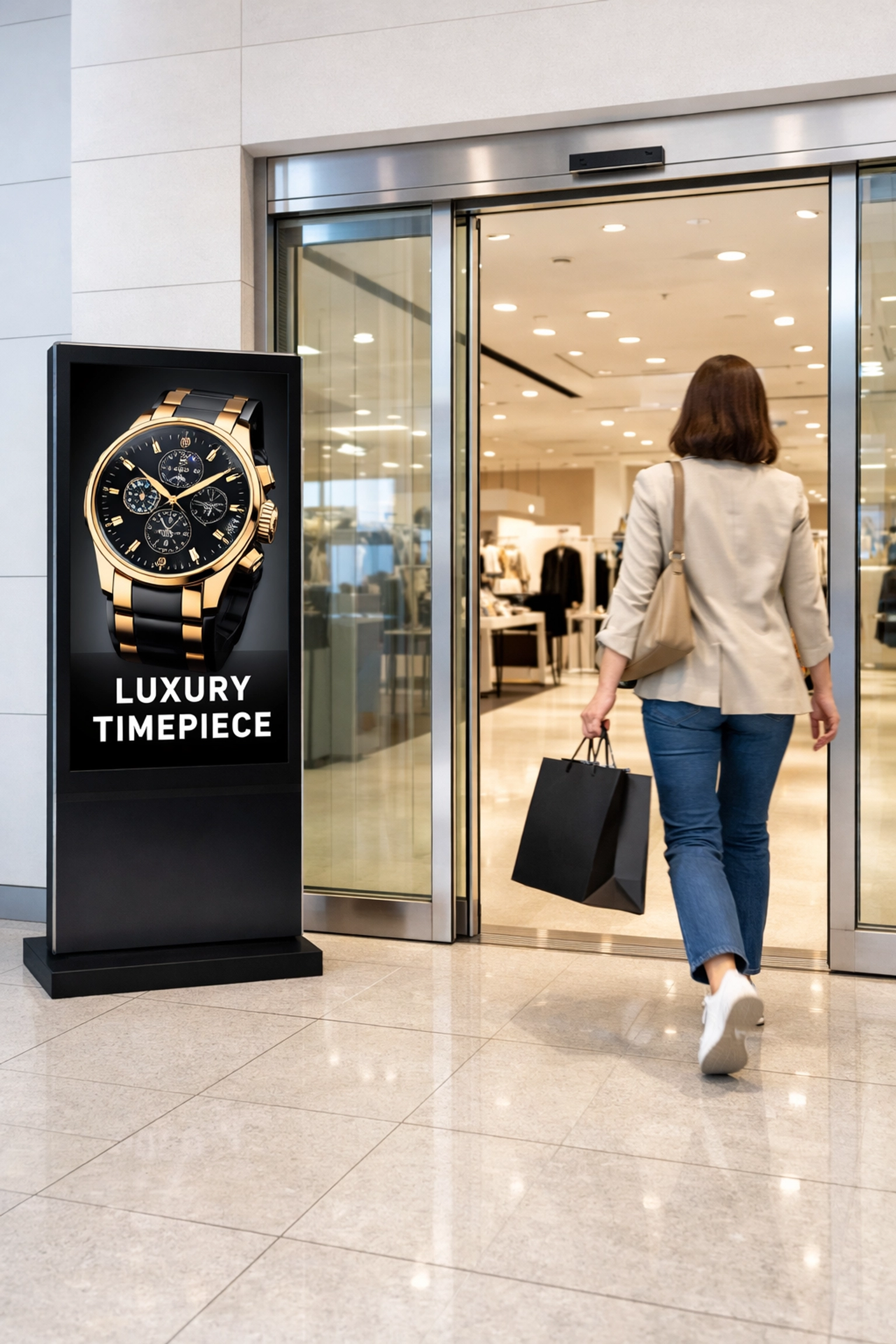
DOOH works best when it is integrated into a larger marketing mix. A consumer might see a digital billboard on their way to a game, receive a retargeted ad on their mobile device during halftime, and see a related video on a Connected TV (CTV) app the following day. This reinforcement builds a cohesive narrative and significantly increases the likelihood of conversion.
Continuous Optimization
Because programmatic DOOH allows for real-time changes, campaigns should never be "set and forget." Performance data should be reviewed weekly to identify which creatives, locations, or times of day are delivering the best results. Budgets can then be shifted toward the most effective placements to maximize ROI.
The Future of Out-of-Home
The innovations discussed here are only the beginning. As AI continues to evolve, the ability to personalize content at scale will become even more sophisticated. The gap between digital and physical advertising will continue to shrink, making the entire world a canvas for data-driven storytelling.
For brands and partners within the OOH Sports ecosystem, staying ahead of these trends is not optional. It is the key to maintaining relevance in an increasingly competitive attention economy. By embracing programmatic workflows, dynamic creatives, and rigorous measurement, advertisers can turn every screen into a powerful engine for growth.
To explore more about how these technologies are applied in real-world scenarios, visit the OOH Sports blog or reach out through the contact page to learn about current opportunities in sports-focused digital advertising.