
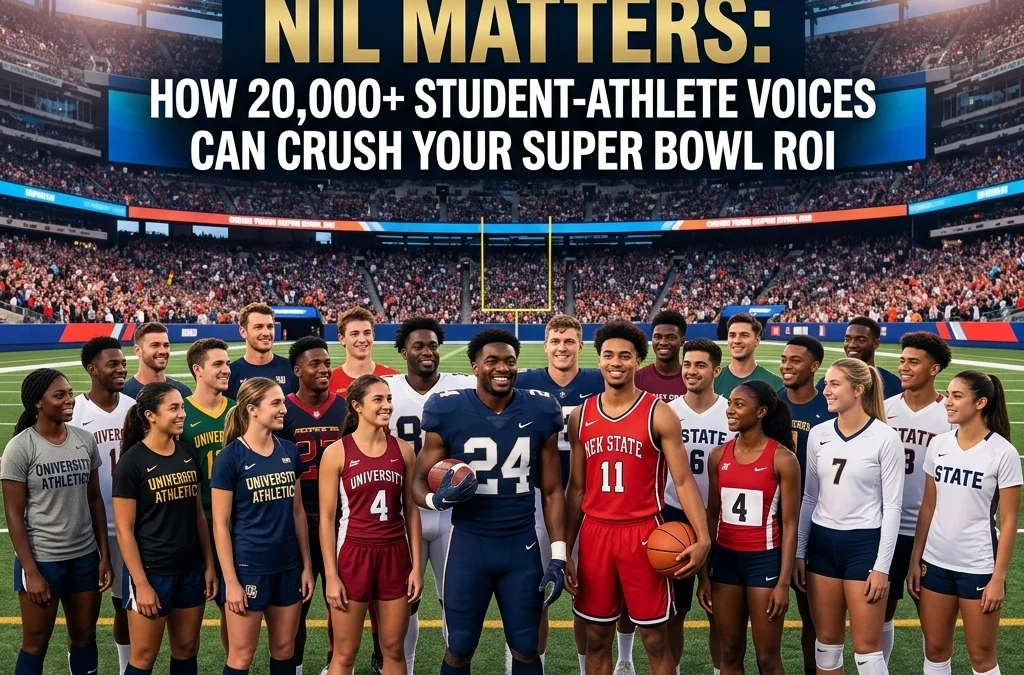
The landscape of sports marketing in 2026 has reached a definitive turning point. As media buyers finalize strategies for Super Bowl LX, the debate between traditional high-cost broadcast placements and decentralized, high-engagement NIL (Name, Image, and Likeness) campaigns has intensified. While a 30 second spot during the championship game remains a cultural milestone, the data suggests that a network of 20,000+ student-athlete voices provides a level of return on investment (ROI) and brand sentiment that a single television commercial cannot replicate.
Strategy: The 2026 Media Buying Landscape
The cost of entry for Super Bowl LX has escalated to $8 million for a 30 second spot. When accounting for production expenses, celebrity talent fees, and the necessary social media amplification to make the ad "go viral," total campaign costs frequently range between $20 million and $30 million. For many brands, this represents a significant portion of the annual marketing budget concentrated into a single day of activity.
In contrast, the NIL platform model offers a decentralized alternative. By mobilizing a massive network of student-athletes, brands can achieve a sustained presence throughout an entire season rather than a momentary flash of attention. Research indicates that a comprehensive campus ambassador program costs approximately $7,000 per semester. This makes the NIL approach approximately 2,800 times less expensive than a single Super Bowl broadcast placement while delivering consistent touchpoints over a 90 to 120 day period.
Cost-Benefit Analysis: Super Bowl LX vs. NIL Networks
The financial disparity between these two channels is only the beginning of the evaluation. Media buyers must also consider the duration of impact and the quality of engagement.
- Broadcast Duration: A Super Bowl ad creates a spike in impressions lasting between 30 seconds and 72 hours. While the reach is massive, the shelf life of the content is brief.
- NIL Duration: Student-athletes generate ongoing content through Instagram stories, TikTok videos, and on-campus events. This creates a cycle of engagement that lasts for several months, fostering long-term brand familiarity.
- Trust Metrics: Peer-to-peer marketing generates 92% higher trust scores than traditional advertising. Gen Z consumers, who are now a primary demographic for sports brands, are 2.5 times more likely to make a purchase based on a recommendation from a peer or a local influencer than from a national celebrity.
Objective: Maximizing Brand Sentiment and Longevity
The primary objective for 2026 campaigns is to move beyond transactional interruptions and toward meaningful consumer experiences. While Super Bowl ads often rely on humor or spectacle to gain attention, they frequently lack the personal connection required to drive long-term loyalty.
NIL programs leverage the existing emotional connection between fans and their local universities. When a student-athlete promotes a product, it is viewed as an endorsement within a community they represent. This localized strategy allows for hyper-targeted marketing. Instead of a broad national message, brands can tailor their presence to specific regions, campuses, and demographics, ensuring that the message resonates on a personal level.
The Mechanism of Authenticity: 20,000+ Voices
The scale of OOH Sports' NIL platform, which connects brands with over 20,000 authentic student-athlete voices, allows for a programmatic approach to influencer marketing. This scale solves the traditional problem of manual management. Instead of negotiating with individual athletes, media buyers can deploy campaigns across thousands of accounts simultaneously.
This "army" of voices creates a surround-sound effect. A consumer may see a student-athlete using a product on TikTok in the morning, encounter a Digital Out of Home (DOOH) advertisement featuring that same athlete near the stadium in the afternoon, and see a collaborative Instagram post in the evening. This multi-layered exposure builds a narrative of ubiquity and authenticity.
Technology and Logistics: Scaling NIL Programs
The execution of a massive NIL campaign requires sophisticated logistics and technology. Managing 20,000+ creators involves tracking content delivery, ensuring compliance with university regulations, and measuring real-time engagement.
By utilizing programmatic platforms, brands can treat NIL content similarly to other digital media buys. This allows for:
- Targeted Deployment: Selecting athletes based on sport, geographic location, or follower demographics.
- Performance Tracking: Monitoring which athletes and content types drive the highest engagement and purchase consideration.
- Cross-Channel Integration: Linking social media content with physical advertising assets like Sportrons to create a cohesive brand experience.
Video: Insights into Modern Sports Marketing
To understand the evolving nature of athlete partnerships and how they influence modern consumer behavior, view the following analysis on the power of student-athlete branding:
https://www.youtube.com/watch?v=l6J-0zileKE
Results: Quantifying ROI in Sports Advertising
Data from previous campaigns suggests that the shift toward authentic athlete voices yields superior measurable outcomes. For instance, brands that have shifted budget from traditional television to programmatic DOOH and athlete-led campaigns have seen significant lifts in purchase intent.
According to a case study, White Claw utilized programmatic digital out-of-home advertising to drive a 74% lift in purchase consideration. Similarly, AB InBev’s Mike’s Hard Iced Tea saw a 119% lift in positive brand image. These results demonstrate that targeted, high-frequency placements often outperform broad, high-cost singular events.
Strategy: Integrating Programmatic DOOH for Amplification
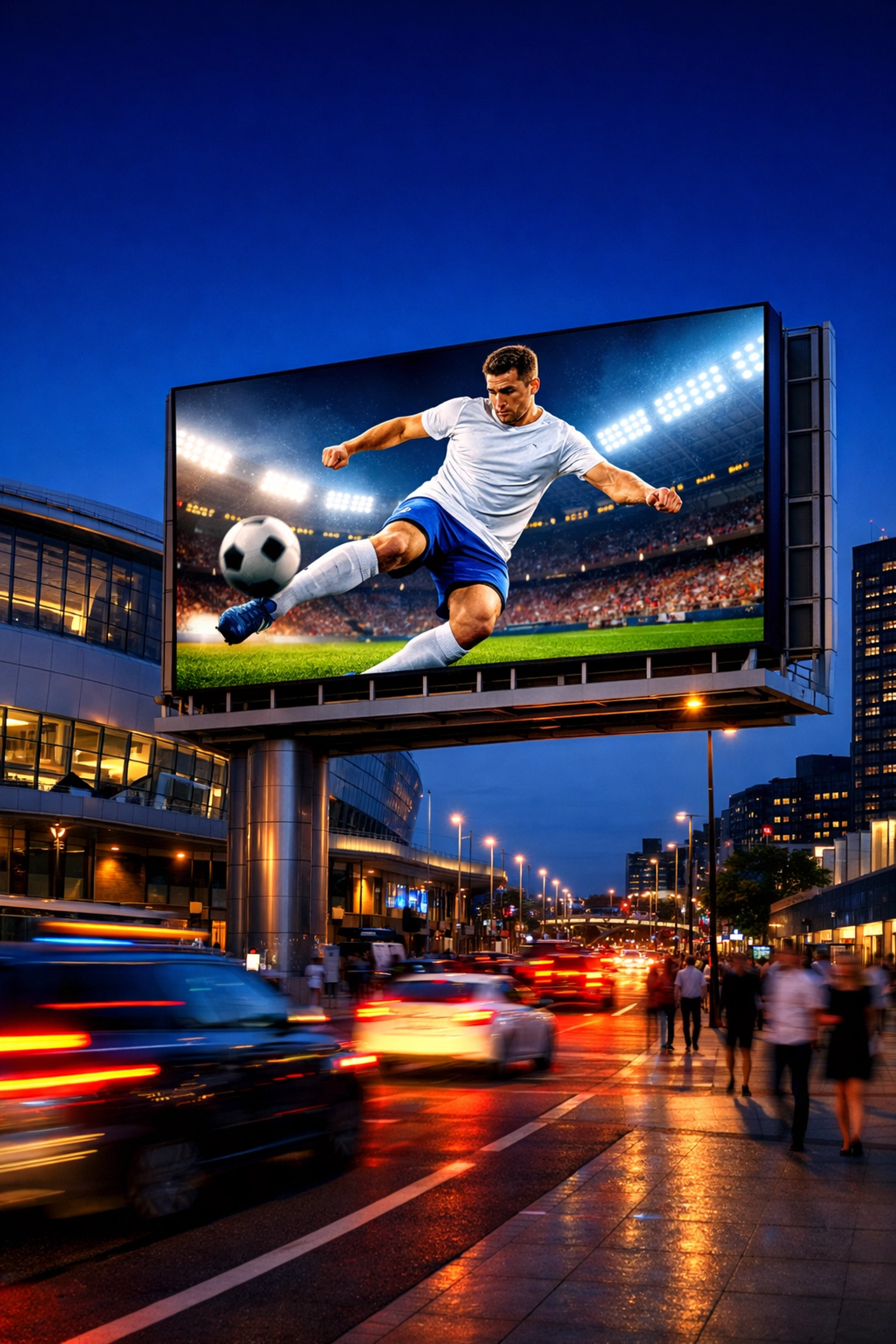
While NIL provides the "voice," Digital Out of Home (DOOH) provides the "presence." To maximize Super Bowl ROI, media buyers are encouraged to use an omnichannel approach. This involves taking the most successful content generated by the 20,000+ student-athletes and repurposing it for high-traffic digital billboards and stadium displays.
Programmatic DOOH allows brands to be agile. If a particular athlete becomes a breakout star during the college season leading up to the Super Bowl, brands can instantly update their digital billboard creatives to feature that athlete. This level of responsiveness is impossible with traditional broadcast commercials, which are usually locked in months in advance.
The synergy between NIL and DOOH creates a feedback loop. The athlete's social media content builds the initial trust, while the large-format OOH ads provide the scale and brand authority. This combination has been shown to be particularly effective for product launches and high-competition categories like beverages and apparel.
Summary of Strategic Recommendations
As the industry prepares for the 2026 Super Bowl, the evidence points toward a diversification of spend. Relying solely on a broadcast spot is becoming a high-risk strategy with diminishing returns among younger audiences.
- Allocate Budget to NIL: Invest a fraction of the Super Bowl broadcast cost into a wide-reaching NIL program to ensure 120 days of engagement rather than 30 seconds.
- Focus on Authenticity: Prioritize the 20,000+ student-athlete voices who have direct influence over their peers and local communities.
- Utilize Programmatic Tools: Leverage platforms that allow for the scaling of athlete partnerships and the integration of marketing data.
- Amplify with DOOH: Ensure that digital out-of-home assets are synchronized with NIL content to create a unified omnichannel presence.
The transition toward decentralized sports marketing is not just a trend but a response to how modern fans consume media. By prioritizing authentic voices and scalable technology, media buyers can achieve a level of ROI that far exceeds the impact of a single television commercial.
For further insights on how to optimize your sports advertising strategy, explore the OOH Sports blog or review our latest case studies to see the impact of programmatic sports marketing in action. For inquiries regarding platform access for the 2026 season, please visit our contact page.