
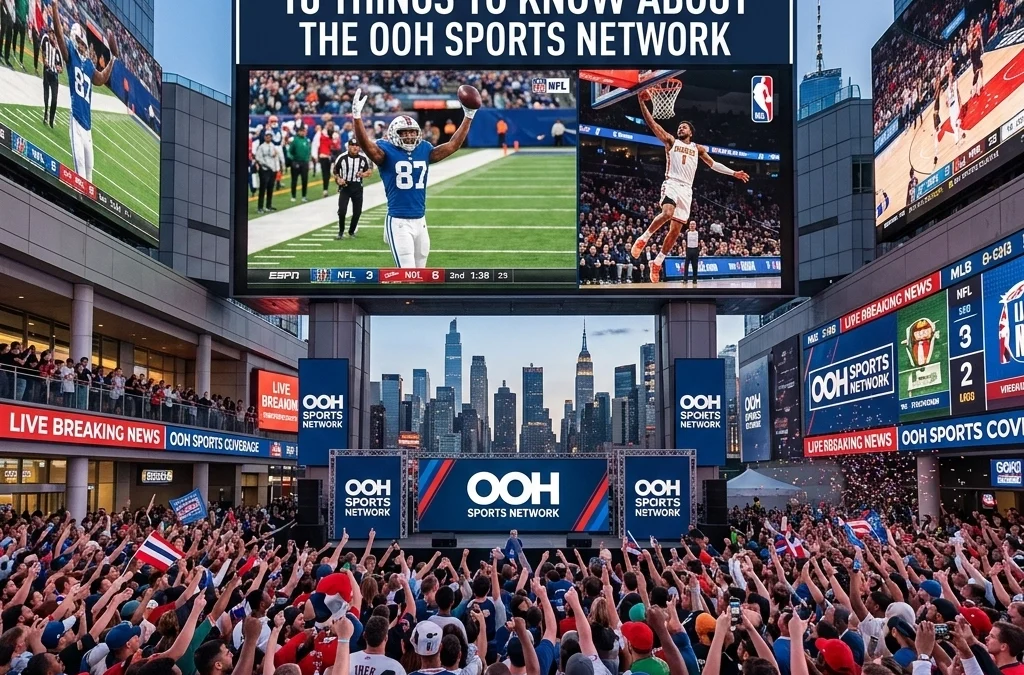
The landscape of sports media buying is undergoing a significant transformation. As traditional broadcast models face increasing fragmentation, the OOH Sports network has achieved a major milestone by expanding its reach to over 25,000 digital screens nationwide. This growth represents a fundamental shift in how brands interact with sports fans, moving beyond the confines of a television screen and into the physical world where fans live, travel, and celebrate.
This expansion offers media buyers and brands an unprecedented opportunity to capture the attention of a highly engaged demographic. Here are ten critical things to know about the OOH Sports network and how its recent growth is redefining the industry standards for out-of-home advertising.
1. Massive National Scale and Reach
The OOH Sports network now boasts a footprint of 25,000+ digital screens. This milestone effectively removes the limitations of regional or fragmented media buys. Instead of coordinating with dozens of individual vendors to achieve broad coverage, advertisers can now deploy national campaigns through a single point of entry. This scale ensures that messaging remains consistent across major metropolitan areas, mid-sized markets, and key transit corridors simultaneously.
The distribution of these screens is strategically designed to follow the density of the sports-watching population. By blanketing the United States with high-resolution digital displays, the network provides the reach necessary for blue-chip brands to execute high-impact launches and sustained awareness campaigns with ease.
2. Extended Impression Windows Beyond the Broadcast
Unlike a 30-second broadcast commercial that is easily skipped or ignored, the OOH Sports network operates across an extended timeframe. Traditional sports advertising is often limited to the duration of the game. However, digital out-of-home (DOOH) screens engage fans from the moment they leave their homes until they return.
This "fan journey" includes pre-game arrivals, transit to the venue, time spent in the concourse, and the post-game commute. Because these screens are active throughout the day, the cumulative brand exposure significantly exceeds that of traditional time-bound media. Campaigns can dominate the physical environment for weeks, building frequency and retention that television spots simply cannot match.
3. Strategic Screen Positioning and Architecture
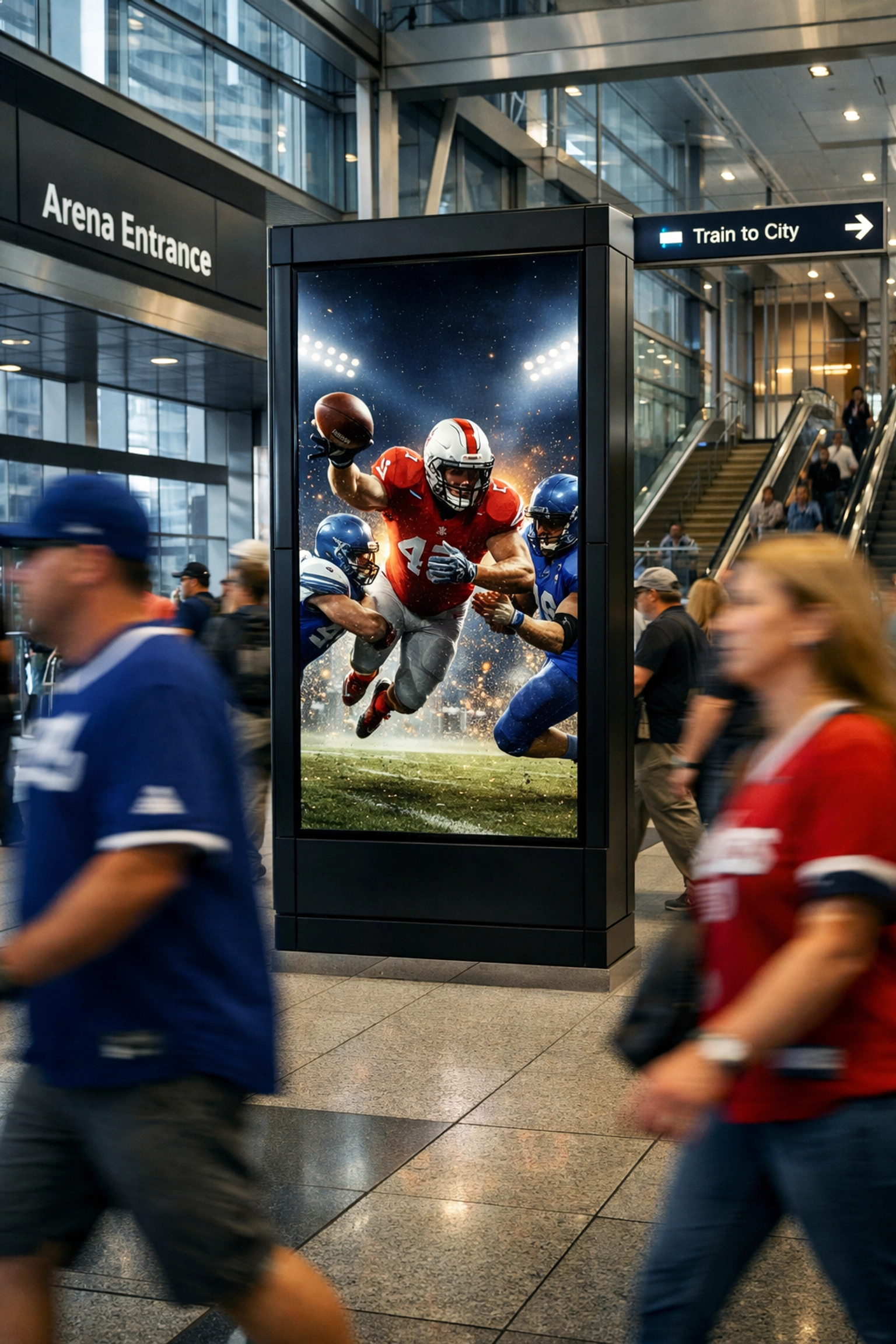
The effectiveness of the OOH Sports network is rooted in the strategic placement of its 25,000 screens. The architecture is designed to capture attention at multiple high-value touchpoints. This includes:
- Venue Approaches: Capturing fans as they arrive in high-energy states.
- Parking Facilities: Engaging audiences during the transition from transit to the event.
- Concourses and Hubs: Placing ads where fans gather for food, merchandise, and socialization.
- Transit Hubs: Reaching the broader public in airports and train stations where sports content remains a primary focus.
By occupying these specific locations, the network enables location-specific messaging that aligns with fan behavior at every stage of the event experience.
4. Full Programmatic Capabilities
The OOH Sports network is built on a sophisticated programmatic foundation. This infrastructure allows for automated campaign deployment and real-time optimization. Advertisers can access inventory through major demand-side platforms (DSPs), using the same targeting parameters and bidding strategies employed in other digital channels.
This integration allows sports venue advertising to become a seamless part of a larger omnichannel strategy. By utilizing platforms like StackAdapt, media buyers can manage their OOH spend alongside mobile, social, and desktop ads. More information on this integration can be found by exploring how the StackAdapt DSP is driving programmatic DOOH adoption.
5. Seamless Physical-to-Digital Integration
One of the most powerful features of the network is the bridge it creates between the physical and digital worlds. Every screen in the 25,000-unit expansion is capable of facilitating digital engagement. Through the use of QR codes, branded hashtags, and location-based mobile retargeting, a simple screen exposure can be converted into a direct digital action.
The network utilizes device ID capture to identify audiences exposed to the screens. This data allows brands to retarget those same individuals with follow-up messaging on their mobile devices. This closed-loop system turns a high-level awareness play into a performance-driven conversion engine, similar to how White Claw's programmatic DOOH campaign drove a 74% lift in purchase consideration.
6. Real-Time Deployment and Agility
In the world of sports, things change fast. A player trade, a winning streak, or a major injury can shift the cultural conversation in minutes. The OOH Sports network is designed for this volatility. Because the network is fully digital and programmatic, creative can be updated or swapped in near real-time.
This agility is particularly valuable for industries like sports betting, where odds and promotions fluctuate constantly. Brands can launch campaigns that convert in under 24 hours, ensuring that their messaging is always relevant to the current state of the game. For a deeper look at these tactics, see the guide on launching real-time sports betting DOOH campaigns.

7. High Audience Receptivity and Contextual Relevance
Reaching a lot of people is one thing, but reaching them when they are most receptive is another. Fans within the OOH Sports network are already in a "sports mindset." They are attending games, visiting sports bars, or traveling to major sporting events. This creates a condition of pre-qualified interest.
Messaging delivered in this context feels less like an interruption and more like a part of the environment. Whether it is a beverage brand appearing in a stadium concourse or an apparel brand at a transit hub near the arena, the contextual relevance enhances brand affinity. This receptivity often leads to significant shifts in brand image, as seen in campaigns like AB InBev's Mike’s Hard Iced Tea.
8. Advanced Measurement and Analytics
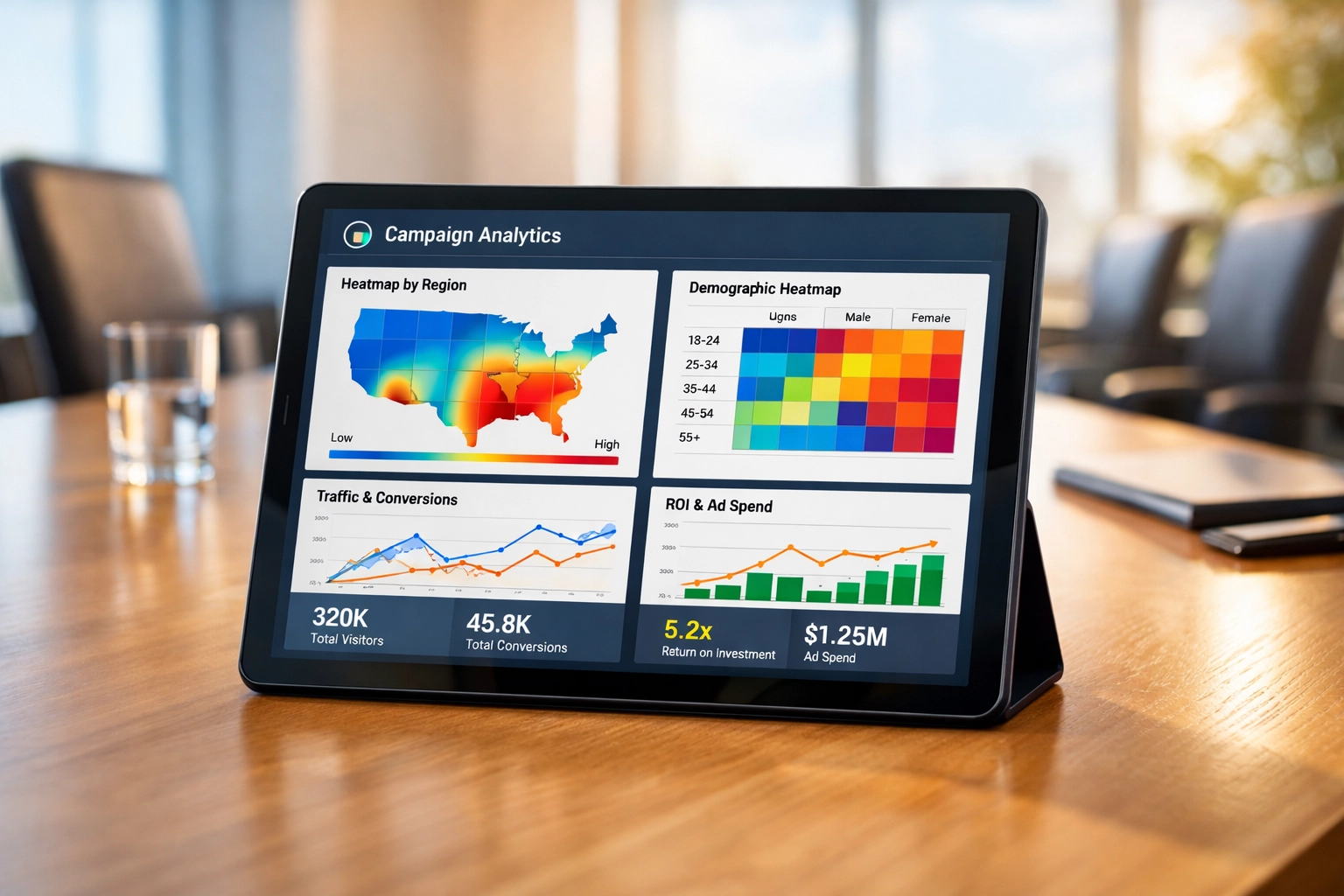
Gone are the days when out-of-home advertising was measured by "estimated eyeballs." The expanded OOH Sports network utilizes sophisticated data modeling to provide accountability. By leveraging AI-powered analytics, the network can measure downstream digital behaviors and attribute specific actions to physical screen exposures.
Media buyers now have access to metrics such as brand lift, foot traffic attribution, and purchase intent. This level of data-driven accountability aligns OOH advertising with the rigorous standards of modern digital marketing. To understand the technology behind these insights, brands can review how AI-powered DOOH analytics prove campaign success.
9. Alignment with Global Growth Trends
The expansion of the OOH Sports network to 25,000 screens is happening at a pivotal moment in the industry. Digital formats are projected to account for over 45% of total out-of-home spending in the coming years. Experts predict that the global digital out-of-home market will reach $50 billion by 2030.
By investing in this network, brands are positioning themselves at the forefront of this growth. The shift from traditional static billboards to dynamic, data-driven digital screens is not just a trend but a fundamental evolution of the medium. For more on these projections, see the analysis on why DOOH sports advertising will hit $50 billion by 2030.
10. Multiple Pathways for Access
OOH Sports provides flexibility in how brands and agencies access its inventory. There are two primary pathways:
- Direct Partnerships: For customized integrations, high-impact takeovers, and specialized creative executions, brands can work directly with the network.
- Programmatic Access: For those seeking self-service options and integration into existing digital workflows, the inventory is available via major DSPs.
This dual-access model ensures that whether a brand is a startup looking for a targeted local presence or a global corporation executing a multi-million dollar rollout, the network can accommodate their specific logistics and objectives. This flexibility is a key reason why the network delivers a superior ROI compared to traditional, rigid stadium advertising. Detailed comparisons on this can be found in the report on programmatic DOOH vs. traditional stadium ads.
The Future of Sports Media is Here
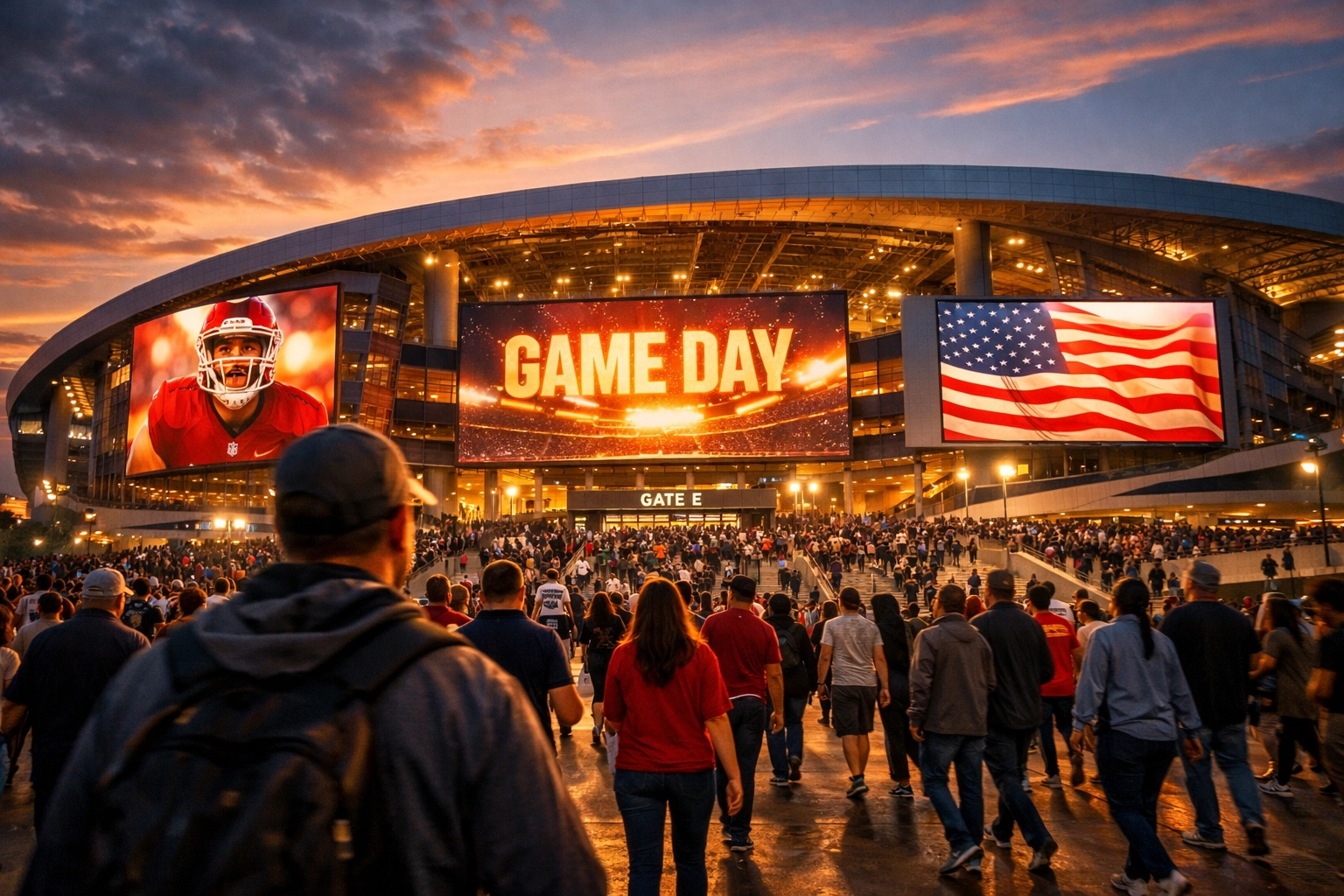
The expansion to 25,000 screens is more than just a number. it is a testament to the effectiveness and demand for high-quality, digital-first sports advertising. By combining massive scale with granular targeting and sophisticated measurement, OOH Sports has created a network that meets the needs of the modern media buyer.
As the industry continues to move toward programmatic automation and data-backed attribution, the OOH Sports network remains the primary destination for brands looking to win in the sports arena. With its evergreen commitment to growth and innovation, the network ensures that the connection between fans and brands remains stronger than ever.