
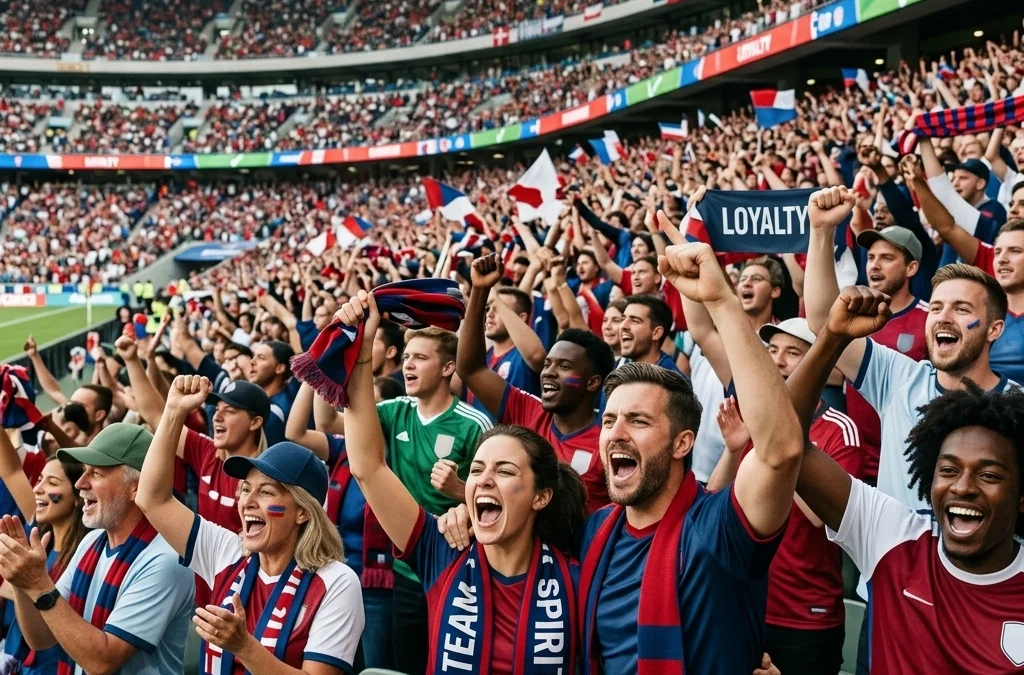
Capturing the attention of sports fans requires more than just a presence during the game. In a landscape where consumer attention is fragmented across multiple devices, Chief Marketing Officers face the challenge of creating meaningful connections that survive the final whistle. Brand loyalty in the sports sector is not built on passive impressions, it is built on emotional resonance and strategic visibility.
Out-of-home advertising, specifically within the context of stadium environments, offers a unique opportunity to engage a captive and highly emotional audience. According to recent industry projections, digital out-of-home (DOOH) sports advertising is expected to reach $50 billion by 2030. This growth underscores a shift toward more dynamic, data driven approaches to fan engagement. For CMOs and creative directors, the path to boosting brand loyalty involves five specific, actionable steps centered on the power of stadium perimeter advertising and integrated digital strategies.
1. Establish High Impact Visual Dominance with Stadium Perimeter Advertising
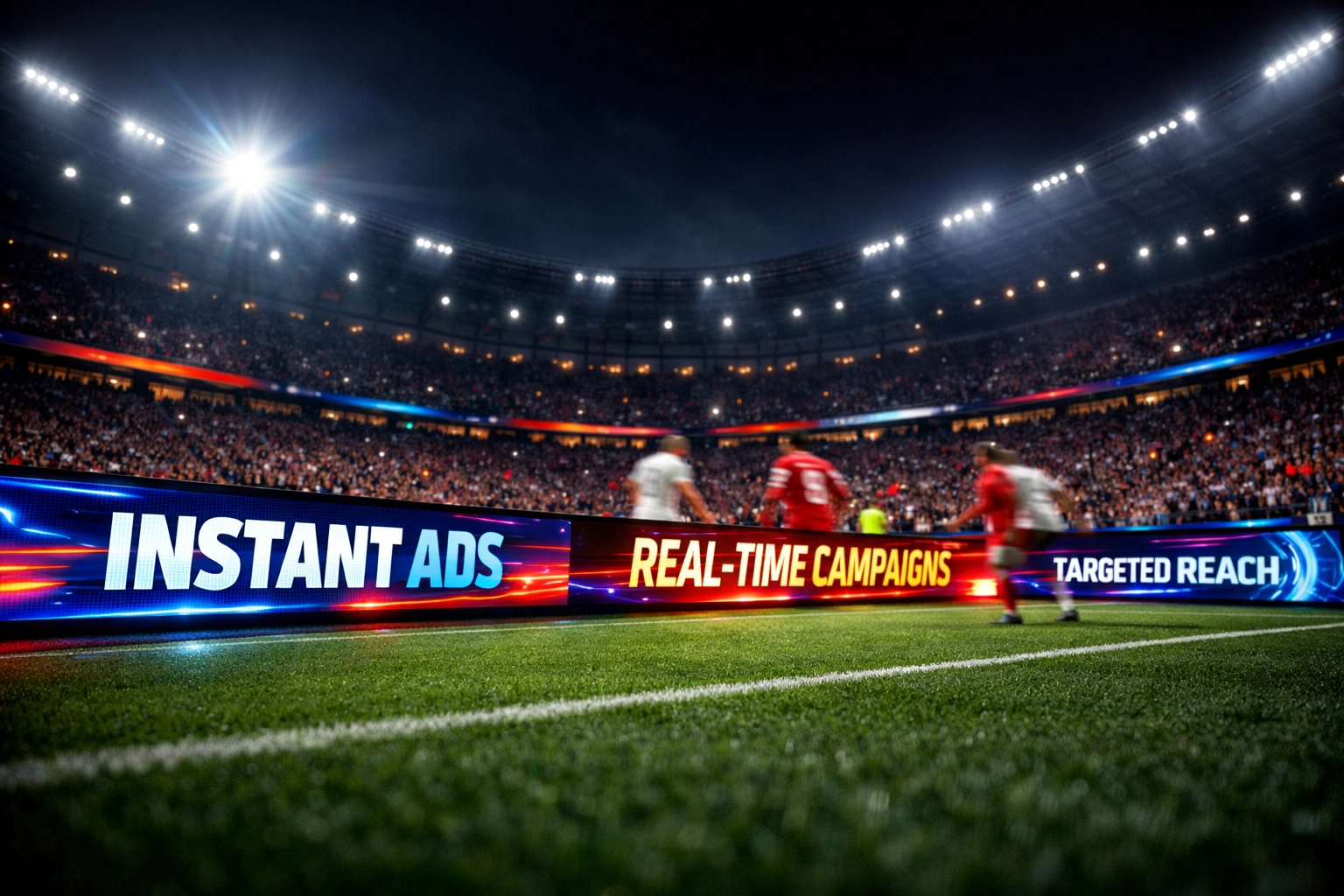
The first step in hooking a sports fan is to occupy their primary field of vision during moments of peak emotional intensity. Stadium perimeter advertising provides a constant brand presence that frames the action on the field. Unlike television commercials that viewers might skip or digital ads that are hidden by ad-blockers, perimeter signage is an intrinsic part of the live event experience.
Effective stadium perimeter campaigns utilize bold, simple creative that communicates brand identity at a glance. Because the environment is high energy, the messaging must be clear enough to be processed in seconds. This physical presence creates a "halo effect," where the excitement of the game is subconsciously transferred to the brand. This is the foundation of brand loyalty: being present when the fan is most engaged.

2. Leverage Programmatic DOOH for Precise Audience Targeting
Modern out-of-home advertising is no longer a static medium. By using programmatic technology, brands can deliver specific messages to specific audiences at the right time. For a CMO, this means the ability to adjust creative based on real-time triggers such as game scores, weather conditions, or local demographics.
Programmatic DOOH allows for a level of agility that was previously impossible. For instance, if a home team scores, the perimeter boards can instantly switch to a celebratory creative. This level of relevance increases the likelihood of a fan remembering the brand. Data from OOH Sports suggests that programmatic delivery ensures that ad spend is concentrated on the moments and locations where it will have the highest impact.
Strategy Highlight: Efficiency Through Automation
The use of programmatic platforms enables brands to scale their presence across multiple venues without the logistical hurdles of traditional outdoor media. This strategy ensures that the brand remains consistent while being tailored to the local nuances of different fan bases.
3. Synchronize the Second Screen Experience
Fans rarely watch a game without a smartphone in hand. To maximize loyalty, a brand must bridge the gap between the physical stadium perimeter and the digital devices fans use for stats, social media, and replays. This is known as the "second screen" strategy.
When a fan sees a brand on the perimeter board and then encounters a complementary ad on their mobile device, the brand's message is reinforced through multiple touchpoints. This omnichannel approach creates a cohesive narrative. Marketers can use geofencing to target fans inside the stadium with exclusive offers or interactive content. Linking the physical OOH experience to a mobile loyalty program or a social media contest turns a passive viewer into an active brand participant.
Relevant data points indicate that this synchronization leads to massive lifts in consumer intent. For example, a Sea-Doo campaign that integrated digital OOH saw a 144% increase in purchase consideration. By surrounding the fan with a consistent message across both the stadium environment and their personal devices, the brand becomes a part of the total event experience.
4. Utilize Data-Driven Personalization and Measurement
To move beyond mere awareness and into true brand loyalty, CMOs must utilize data to personalize the fan journey. This involves understanding fan behavior and using those insights to deliver more relevant content. Advanced measurement tools now allow brands to track the effectiveness of their OOH campaigns with precision.
Metrics such as brand lift, purchase consideration, and foot traffic attribution provide a clear picture of ROI. Consider the results seen by AB InBev for Mike's Hard Iced Tea. By employing a programmatic DOOH campaign, the brand achieved a 119% lift in positive brand image. This was made possible by targeting specific audience segments and measuring their response through brand lift studies.
Tactical Execution:
- Use mobile device IDs to identify fans exposed to stadium ads.
- Retarget these audiences with personalized digital content post-game.
- Measure the conversion rate from ad exposure to digital engagement or physical store visits.

5. Foster Long-Term Loyalty Through Meaningful Context
The final step is to ensure that the brand interaction feels organic rather than intrusive. Brand loyalty is a long-term play. It is built by consistently appearing in contexts that the fan values. Stadium perimeter advertising is effective because it respects the fan's experience. It does not interrupt the game, it enhances the professional atmosphere of the venue.
When a brand is associated with the triumphs of a sports team over a full season, it builds a legacy of trust. This is particularly effective for brands looking to launch new products or enter new markets. White Claw, for instance, used programmatic DOOH for a vodka launch and saw a 74% lift in purchase consideration. The success of such campaigns is rooted in the strategic alignment of the brand with high-interest sporting events.
The Strategic Advantage of OOH Sports
The complexity of modern marketing requires a partner that understands the intersection of physical advertising and digital technology. OOH Sports provides the infrastructure for CMOs to execute these five steps effectively. By focusing on stadium perimeter advertising and the broader digital out-of-home ecosystem, brands can capture the attention of fans in a way that traditional media cannot.
The power of the stadium environment lies in its ability to generate raw emotion. Brands that position themselves within that emotion, backed by the precision of programmatic data and omnichannel synchronization, are the ones that will win the battle for long-term loyalty. For more information on how to implement these strategies, visiting the OOH Sports marketing section provides further insights into campaign execution and results.
Summary of Results from Leading Campaigns
To understand the potential impact of these steps, it is helpful to look at the measurable outcomes from various industry leaders who have successfully utilized DOOH strategies:
- Brand Sentiment: Campaigns focusing on positive image reinforcement have seen lifts exceeding 110% by targeting fans during high-energy live events.
- Purchase Intent: The combination of stadium visibility and mobile retargeting has been shown to more than double purchase consideration in key demographics.
- Market Share: With the DOOH sports market growing rapidly, early adopters who secure perimeter placements are better positioned to capture a share of the projected $50 billion market.
By following this five-step guide, CMOs can transform their approach to sports marketing, moving from simple sponsorship to a sophisticated, loyalty-driven engagement model. The key is to be present, be precise, and be consistent throughout the fan’s journey.