
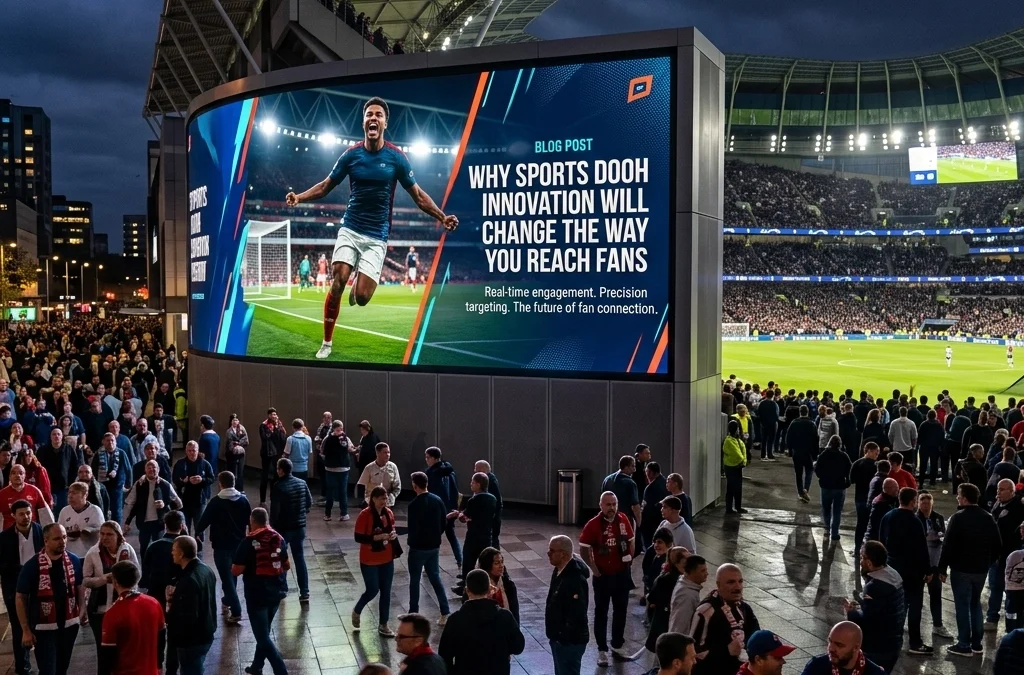
The landscape of sports marketing is undergoing a significant transformation. For decades, the gold standard for reaching fans was limited to stadium signage, jersey patches, and expensive television commercials. However, as fan behavior shifts and digital technology advances, a new frontrunner has emerged: Digital Out-of-Home (DOOH) advertising.
Innovation in the sports DOOH sector is moving beyond simple digital billboards. It is now a sophisticated, data-driven ecosystem that allows brands to connect with fans in real-time, across multiple environments, and with a level of precision previously impossible in outdoor advertising. For media buyers and brand managers, understanding these innovations is no longer optional, it is a requirement for maintaining a competitive edge in a crowded marketplace.

The Shift from Venue-Centric to Fan-Centric Marketing
Historically, sports sponsorships were venue-centric. Brands paid for the privilege of being inside the arena, targeting the thousands of fans in the seats. While this offers high visibility, it ignores a fundamental reality: the vast majority of sports fans are not inside the stadium on any given game day.
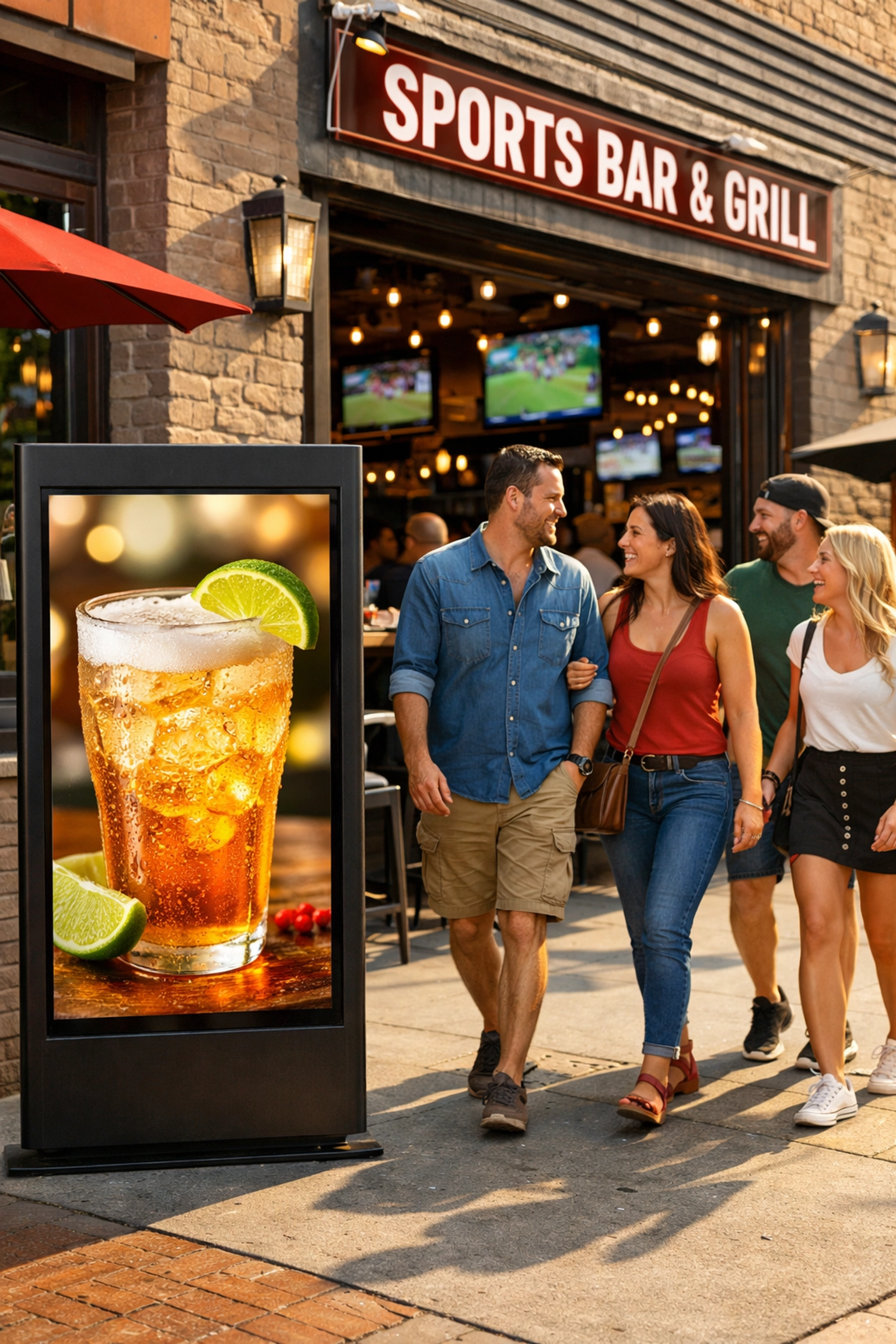
Research indicates that a staggering 99% of fan attention exists outside the arena. Fans are at sports bars, in transit, at home, or gathering in public plazas. Innovation in DOOH allows brands to follow the fan journey throughout the day. By leveraging a network of thousands of digital screens, advertisers can create a "surround sound" effect that reaches the audience where they live, work, and play. This fan-centric approach ensures that the message is not confined to the four walls of a stadium but is integrated into the cultural fabric of the game day experience.
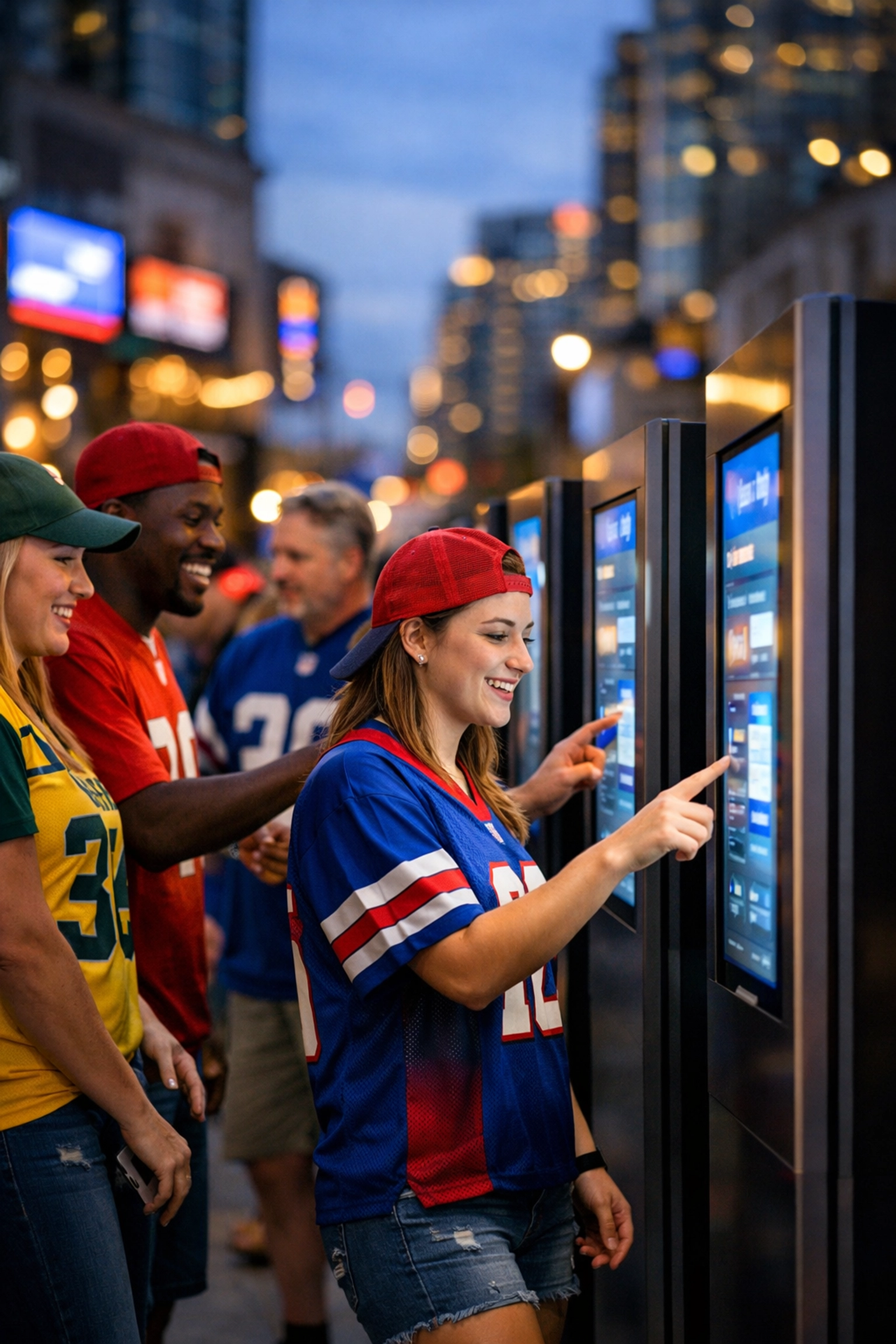
Strategy: Reaching the High-Affinity Audience
Sports fans represent one of the most valuable demographics for brands. They are emotionally invested, loyal, and highly engaged. Studies show that 81% of consumers feel more positively toward brands that sponsor sports, and 66% are more inclined to purchase from those brands.
The strategy behind modern sports DOOH is to tap into this high-affinity audience by using geographical targeting and real-time data. Rather than a broad, wasteful "spray and pray" approach, programmatic DOOH allows for precision.
Objective & Strategy
The primary objective of modern sports DOOH campaigns is to maximize the emotional peak of the fan experience. To achieve this, several key strategies are employed:
- Geographic Perimeter Targeting: Deploying ads on screens surrounding the stadium, transit routes, and popular fan hangouts.
- Situational Awareness: Aligning creative content with the current state of the game or the atmosphere of the city.
- Audience Movement Mapping: Using mobile location data to identify where fans congregate before and after events.
By focusing on these areas, brands can achieve significant results, such as those seen in Nike's execution during major city events, where the brand managed to capture the spirit of the occasion without being an official sponsor.
Technology: Programmatic DOOH and Real-Time Triggers
The true innovation in this space lies in the technology. Programmatic DOOH has changed the way inventory is bought and sold, making it as flexible as online display advertising.
Dynamic Creative Optimization (DCO)
Dynamic Creative Optimization allows an ad to change its content automatically based on external data triggers. In the context of sports, these triggers can be game-changing.
- Live Score Feeds: An ad can display the current score of a game in real-time. This turns a static advertisement into a valuable utility for fans.
- Weather Triggers: A beverage brand can switch from promoting a hot coffee to a cold sports drink if the temperature at a stadium exceeds a certain threshold.
- Game Outcomes: Advertisers can prepare "win" or "loss" creative sets that deploy immediately after the final whistle, capitalizing on the immediate emotional state of the fan base.
Real-Time Betting and Conversions
For industries like sports betting, speed is everything. Innovation in DOOH now allows for real-time sports betting campaigns that can go from concept to screen in under 24 hours. This agility allows brands to react to injuries, line changes, or sudden shifts in odds, providing fans with relevant and timely calls to action.
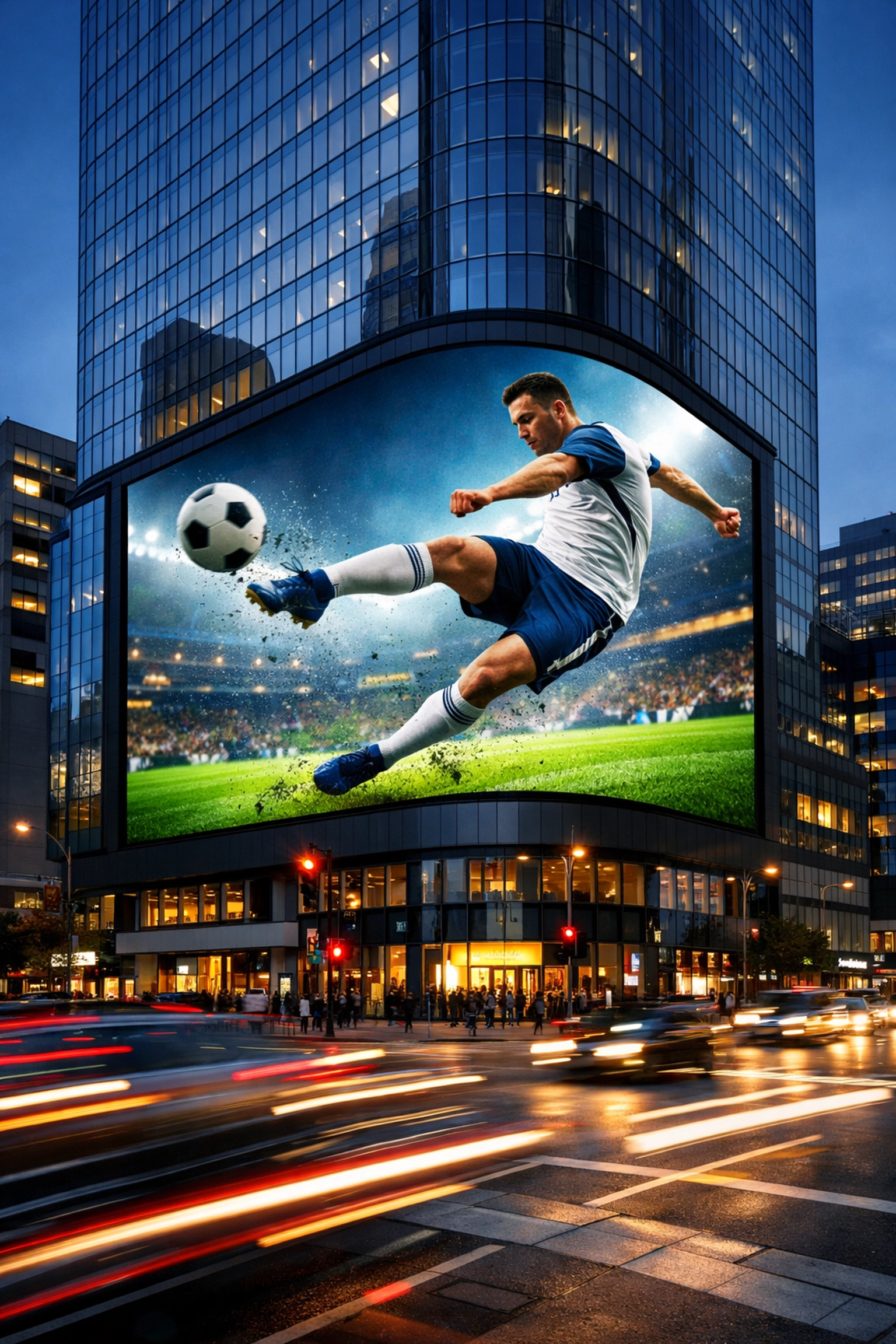
Execution: The Power of 25,000+ Screens
The scale of modern DOOH networks, such as the one managed by OOH Sports, provides a massive canvas for brand storytelling. With over 25,000 digital screens available, the execution of a campaign can be hyper-local or national in scope.
Technology Partners and Ecosystems
Success in this space requires a robust ecosystem. Utilizing specialized Demand-Side Platforms (DSPs) like StackAdapt helps drive adoption of programmatic DOOH within omnichannel campaigns. This allows media buyers to manage their outdoor spend alongside their mobile and desktop ads, ensuring a unified brand voice.
The Priming Effect
One of the most effective execution tactics is using DOOH to "prime" an audience for other digital interactions. When a fan sees a high-impact digital billboard, they are more likely to engage with a mobile ad from the same brand later that day. This synergy is a cornerstone of modern sports marketing, creating multiple touchpoints that reinforce the message.
Results: Quantifying the Impact
The shift toward DOOH is driven by data. Unlike traditional static billboards, digital screens provide measurable outcomes that allow brand managers to justify their spend.
Measurable Success Stories
Data-driven campaigns consistently outperform traditional methods. Consider these impact measurements from various sectors:
- Beverage Category: A programmatic DOOH campaign for White Claw saw a 74% lift in purchase consideration for their vodka launch.
- Alcohol & Spirits: Mike’s Hard Iced Tea experienced a 119% lift in positive brand image by leveraging targeted digital screens.
- Outdoor Recreation: Sea-Doo utilized its first digital OOH campaign to increase purchase consideration by 144%.
These results are achieved through AI-powered analytics that track device IDs exposed to the ads and correlate them with retail foot traffic or online conversions.
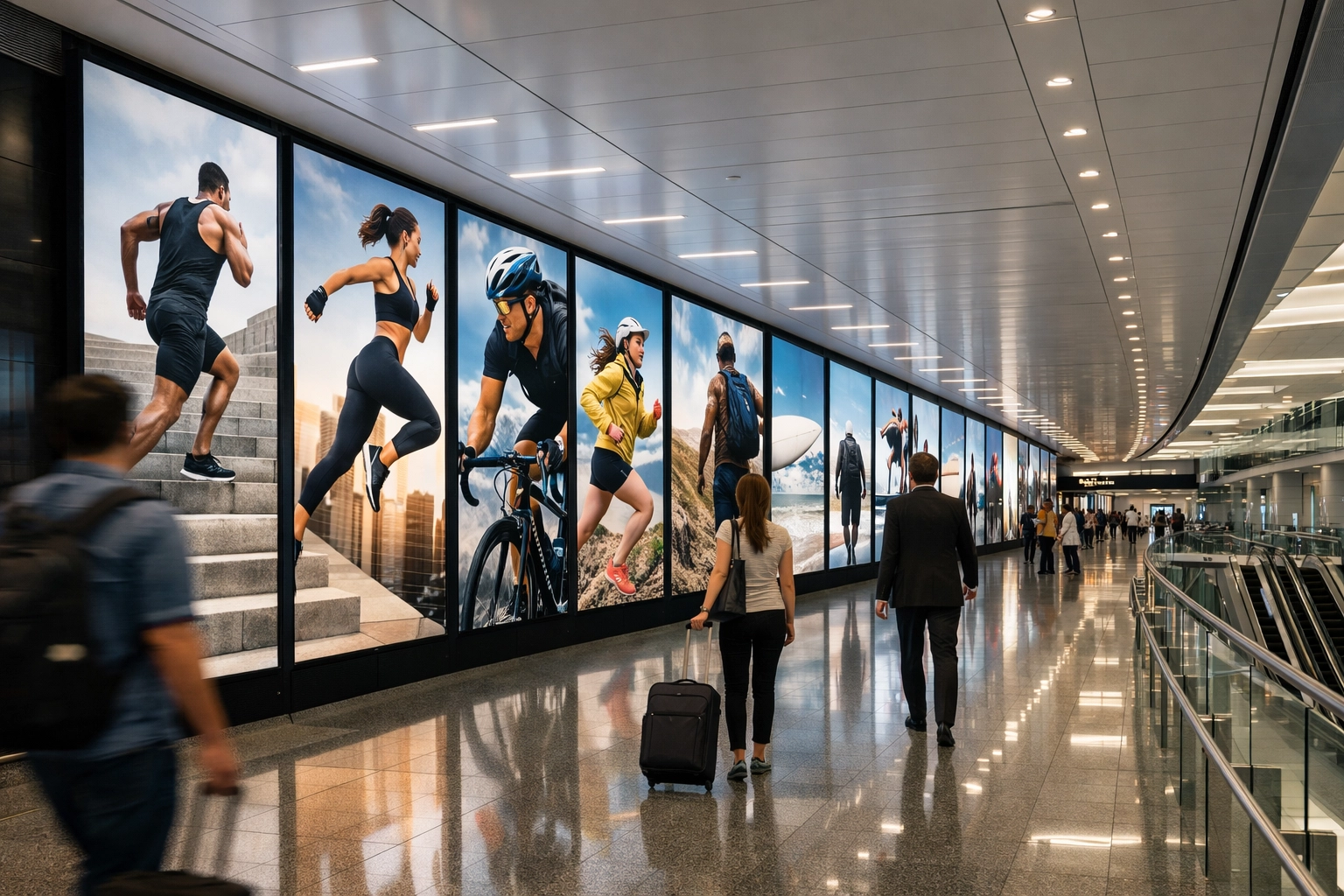
Strategy: Avoiding Common Pitfalls
While the innovation is exciting, it requires a strategic approach to avoid common mistakes. Successful campaigns focus on being fan-centric rather than strictly brand-centric.
A common error is using the same creative for a digital billboard as one would use for a print magazine. In the sports environment, the creative must be bold, legible from a distance, and contextually relevant. Leveraging stadium perimeter targeting fixes the issue of wasted impressions by ensuring the message reaches people who are actually in the "sports mindset."
Future Outlook: The $50 Billion Milestone
The growth of sports DOOH is not a temporary trend. Experts predict that sports advertising in the DOOH space will reach $50 billion by 2030. This growth is fueled by the continued digitization of physical spaces and the increasing demand for programmatic flexibility.
As more media planners shift their budgets toward digital out-of-home, the focus will remain on real-time strategies and AI-powered measurement. The "gold rush" is already underway, with a high percentage of media planners expected to shift significant portions of their budget to DOOH in the coming years.
Summary of Key Benefits
Innovation in sports DOOH offers several distinct advantages for modern brands:
- Extended Reach: Engaging the 99% of fans who are outside the stadium.
- Agility: Changing creative in seconds based on live game events.
- Relevance: Using dynamic triggers to ensure the message matches the moment.
- Accountability: Utilizing AI and location data to prove ROI with precise attribution.
- Integration: Complementing mobile and social campaigns for a true omnichannel experience.
By moving away from static sponsorships and embracing the technological innovations of DOOH, brands can finally reach fans in a way that is as dynamic and exciting as the sports they love. The ability to turn an entire city into a branded arena is the new standard, and it is changing the way we think about advertising forever.
For those looking to explore the full potential of these strategies, the resources at OOH Sports provide a comprehensive roadmap for navigating this evolving landscape. Whether the goal is increasing brand awareness or driving immediate conversions, the innovation in sports DOOH provides the tools necessary to succeed.