
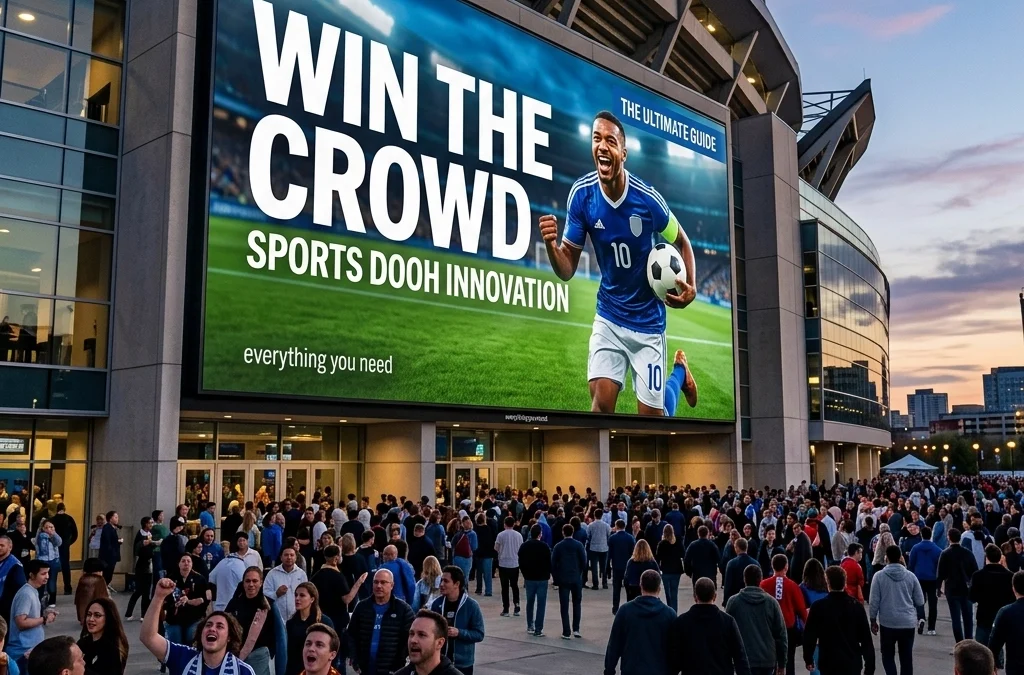
Digital Out of Home (DOOH) advertising has undergone a massive transformation, shifting from simple digital billboards to a sophisticated, data-driven ecosystem. In the world of sports marketing, this innovation provides brands with a unique opportunity to reach fans at every stage of their journey. Unlike traditional stadium sponsorships that focus solely on the game clock, modern sports DOOH creates a continuous presence that follows the audience from their front door to the stadium seat and back again.
The strategy relies on a specialized network designed to capture attention during high-emotion periods. By integrating physical displays with advanced digital tracking, brands can now achieve measurable results that were previously impossible in the outdoor advertising space. This guide explores the mechanics, technology, and strategic advantages of leveraging innovation in the sports DOOH sector.
The Evolution of the Sporttron Digital Network
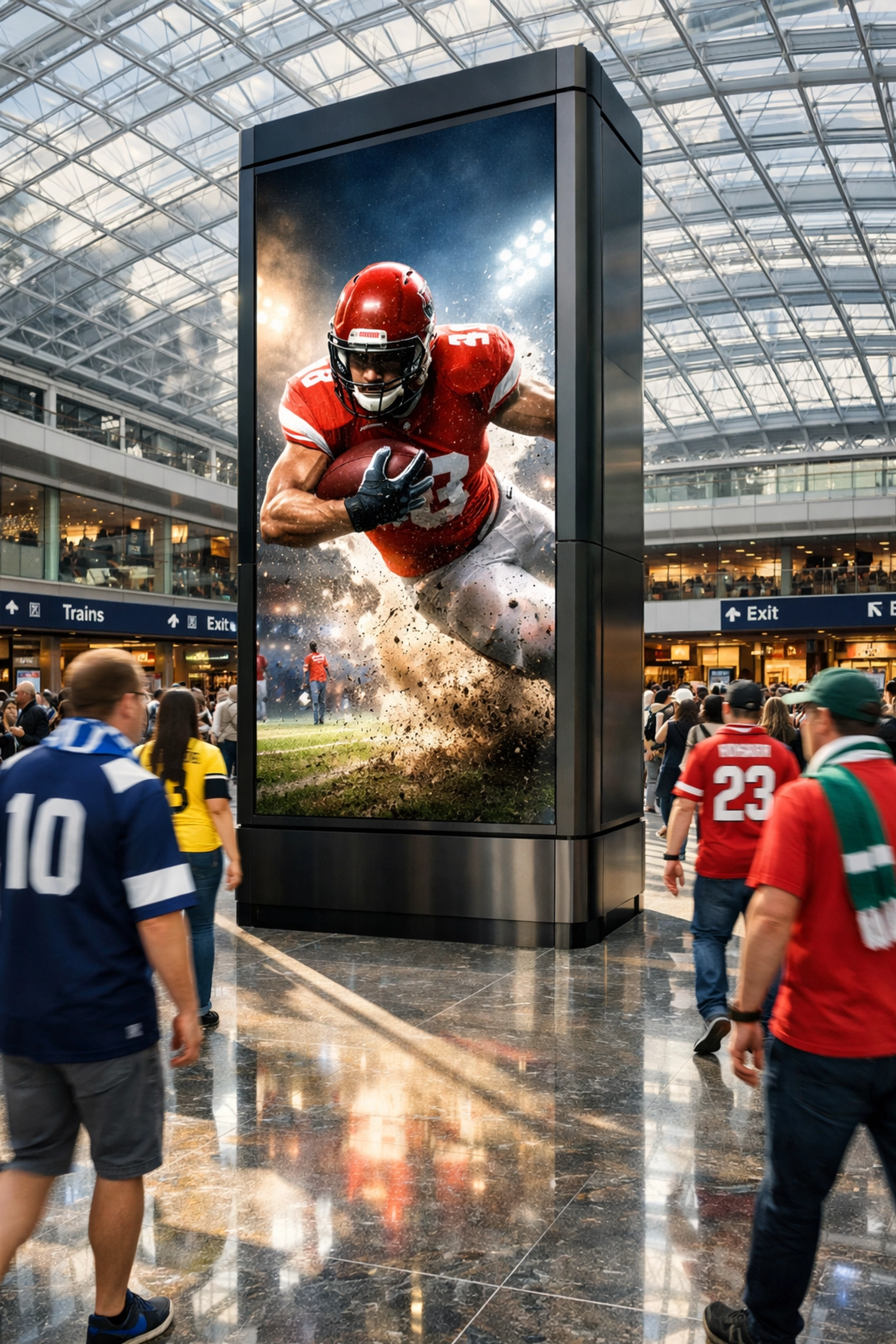
The foundation of modern sports advertising innovation is the scale and placement of the digital network. The Sporttron Digital Network encompasses over 25,000 digital screens placed in high-traffic areas where sports fans naturally congregate. These locations include transit hubs, rideshare lots, shuttle queues, and hospitality venues.
While traditional television advertising captures the fan while they are seated on a couch, DOOH innovation targets the 99% of fan activity that happens outside the home. The network is built to provide a surround-sound effect, ensuring that a brand message is the first thing a fan sees when they arrive at an airport or train station and the last thing they see at a post-game celebration. This density of coverage ensures that the message is reinforced through multiple touchpoints, increasing brand recall without the fatigue associated with repetitive online banner ads.
Strategy: Mapping the Fan Journey
A successful sports DOOH campaign is not defined by a single ad placement but by a comprehensive strategy that covers the entire fan journey. This journey is typically divided into three distinct phases: pre-game build-up, in-game engagement, and post-game reflection.
Pre-Game Build-Up
The 48 hours leading up to a kickoff or tip-off are critical. During this window, fans are in a state of high anticipation. They are planning logistics, checking betting lines, and organizing social gatherings. Innovation in this space involves placing screens in transit hubs and retail centers to deliver practical value. For example, a campaign might feature real-time countdown clocks or broadcast schedules alongside the brand creative. This approach positions the brand as a helpful participant in the fan experience rather than an interruption.
In-Game Engagement
Inside and immediately around the venue, the focus shifts to high-impact visuals. With the Sporttron network, screens capture the attention of fans who are navigating the concourse, waiting for concessions, or exiting the seating bowl. The goal here is to leverage the collective energy of the crowd.
Post-Game Reflection
The hours following a game are characterized by high emotion, whether in celebration or shared disappointment. Screens located in bars, restaurants, and rideshare pickup zones allow brands to join the conversation. This phase is often where purchase consideration is at its highest, particularly for food, beverage, and entertainment brands.
Objective and Strategy: Precision Targeting and Mobility Data
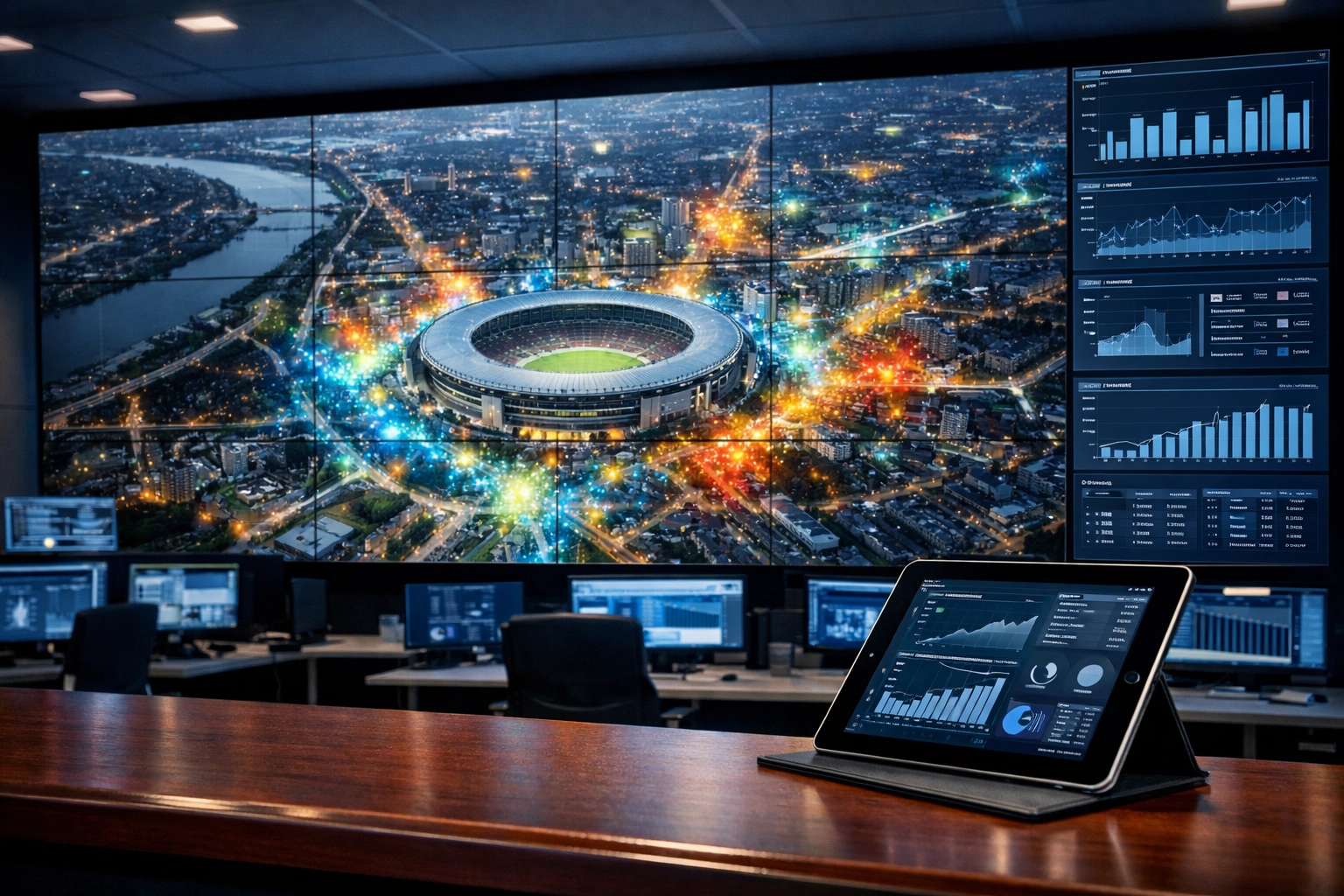
The shift toward DOOH is driven by the ability to use location intelligence and mobility data. Media buyers no longer have to guess where their audience might be. Instead, they can use historical and real-time data to understand exactly who passes a screen and how often.
Approximately 67% of media planners are currently shifting budgets toward digital out-of-home platforms because of this precision. The strategy involves identifying specific audience segments, such as frequent stadium-goers or fans of a particular team, and activating screens only when those segments are most likely to be present. This reduces waste and ensures that every dollar spent is directed toward a high-value impression.
Technology Partners and Infrastructure
The technical side of sports DOOH innovation is what truly sets it apart from traditional advertising. Several key technologies work in tandem to create a seamless experience for both the brand and the consumer.
Programmatic DOOH
Programmatic technology allows for real-time bidding and automated ad delivery. This means a brand can adjust its spend based on external triggers. If a certain team wins or if the weather changes, the campaign can automatically update its creative or increase its bid for screen time. This flexibility is a cornerstone of modern marketing strategies.
Dynamic Creative Optimization (DCO)
DCO enables the creative content to change based on data feeds. In a sports context, this might mean an ad that displays the live score of a game or updates its messaging based on the current temperature. For instance, a beverage brand might show a refreshing iced drink when the sun is out but switch to a different product if it begins to rain.
Geofencing and Device ID Capture
One of the most innovative aspects of the OOH Sports approach is the integration of physical and digital channels. When a fan enters the proximity of a digital screen, their anonymized device ID can be captured. This allows for retargeting on mobile devices later in the day. If a fan sees a billboard for a new shoe launch at the stadium, they can be served a follow-up ad with a direct link to purchase on their smartphone while they are heading home.
Results: Data-Backed Success Stories
The effectiveness of these innovations is best illustrated through measurable outcomes. Several high-profile campaigns have demonstrated the power of the Sporttron network and programmatic DOOH.
Beverage Industry Impact
In a campaign for White Claw’s vodka launch, the use of programmatic DOOH drove a 74% lift in purchase consideration. By targeting specific fan congregation points during high-traffic sports weekends, the brand was able to establish itself in a crowded market. Similarly, Mike’s Hard Iced Tea saw a 119% lift in positive brand image by using a similar data-driven approach.
Increasing Purchase Consideration
The power of DOOH extends beyond the beverage sector. Sea-Doo utilized its first digital OOH campaign to target outdoor enthusiasts and sports fans, resulting in a 144% increase in purchase consideration. These results highlight the ability of DOOH to move the needle on deep-funnel metrics, not just top-of-funnel awareness.
Best Practices for Creative Execution
To win the crowd, the creative must be as innovative as the technology delivering it. Successful sports DOOH campaigns follow a specific set of creative principles:
- Bold Visuals: Screens are often viewed from a distance or while the audience is in motion. Large fonts, high-contrast colors, and simple imagery are essential.
- Contextual Relevance: The ad should feel like it belongs in the sports environment. Using team colors or sports-related terminology helps the brand blend into the fan experience.
- Clear Calls to Action: While the screen is a broadcast medium, it should encourage interaction. Including QR codes or specific hashtags allows fans to bridge the gap between the physical ad and their digital devices.
- Minimal Text: Because the viewing window can be brief, the core message should be digestible in three seconds or less.
Strategic Integration with Other Media
Innovation in DOOH does not happen in a vacuum. It is most effective when integrated into an omnichannel strategy. For example, brands can align their DOOH schedule with streaming schedules. This ensures that while a fan is watching a pre-game show on their mobile device or connected TV, they are seeing the same brand messaging on the digital screens around them in the physical world. This cross-screen synchronization builds a dominant brand presence that is difficult for competitors to penetrate.
By using the OOH Sports blog as a resource, brand managers can stay updated on how these integrations are evolving and which new technologies are becoming available for their next campaign.
The Future of Sports Marketing
The trajectory of sports DOOH innovation is clear: it is becoming more personalized, more interactive, and more measurable. The ability to treat the physical world with the same precision as the digital world is a game-changer for media buyers. By leveraging the scale of the Sporttron network and the power of programmatic technology, brands can move beyond simple visibility and toward genuine engagement.
Winning the crowd requires more than just being present; it requires being relevant at the exact moment the fan is most engaged. As the technology continues to advance, the brands that embrace these innovations will be the ones that achieve the highest ROI and the most lasting impact on their target audience. For those ready to implement these strategies, the next step involves detailed planning and coordination with specialized advertising partners who understand the unique dynamics of the sports ecosystem.