
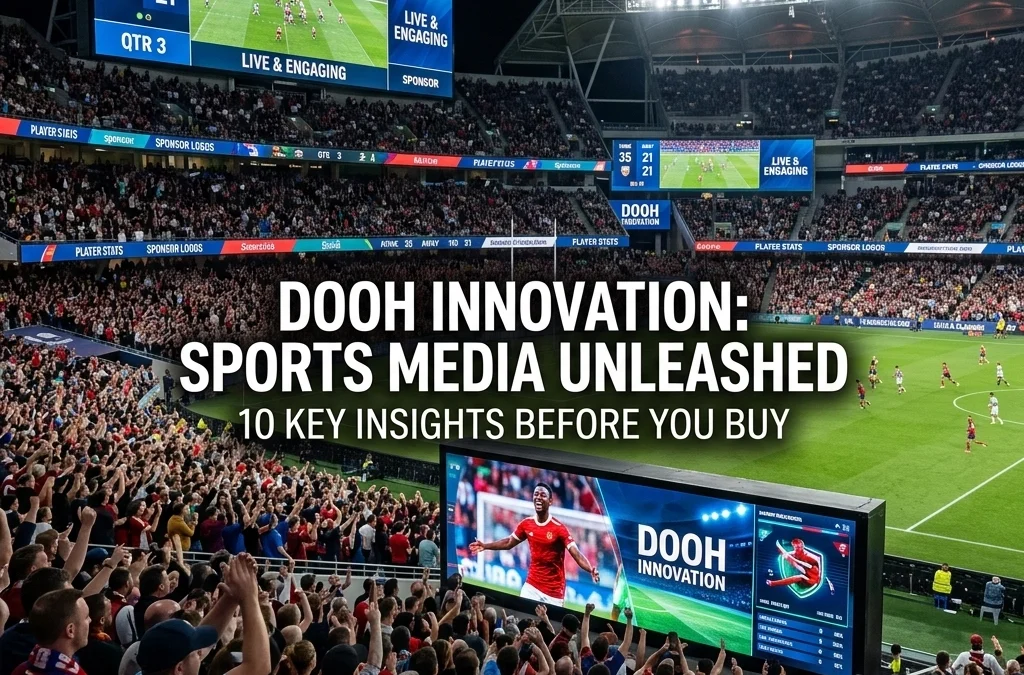
Sports marketing is no longer confined to the four walls of a stadium or a 30 second television commercial during a halftime show. The rise of Digital Out of Home (DOOH) advertising has fundamentally shifted how brands connect with fans. Innovation in this space is moving fast, offering ways to reach audiences that were previously impossible or too expensive for the average brand.
For media buyers and brand managers, understanding the mechanics of these innovations is the difference between a generic campaign and one that drives measurable results. Whether the goal is to increase purchase consideration or boost brand sentiment, sports DOOH provides a high impact canvas. Before making an investment in the next campaign, here are 10 critical things to know about the current state of sports DOOH innovation.
1. Attention Exists Far Beyond the Arena
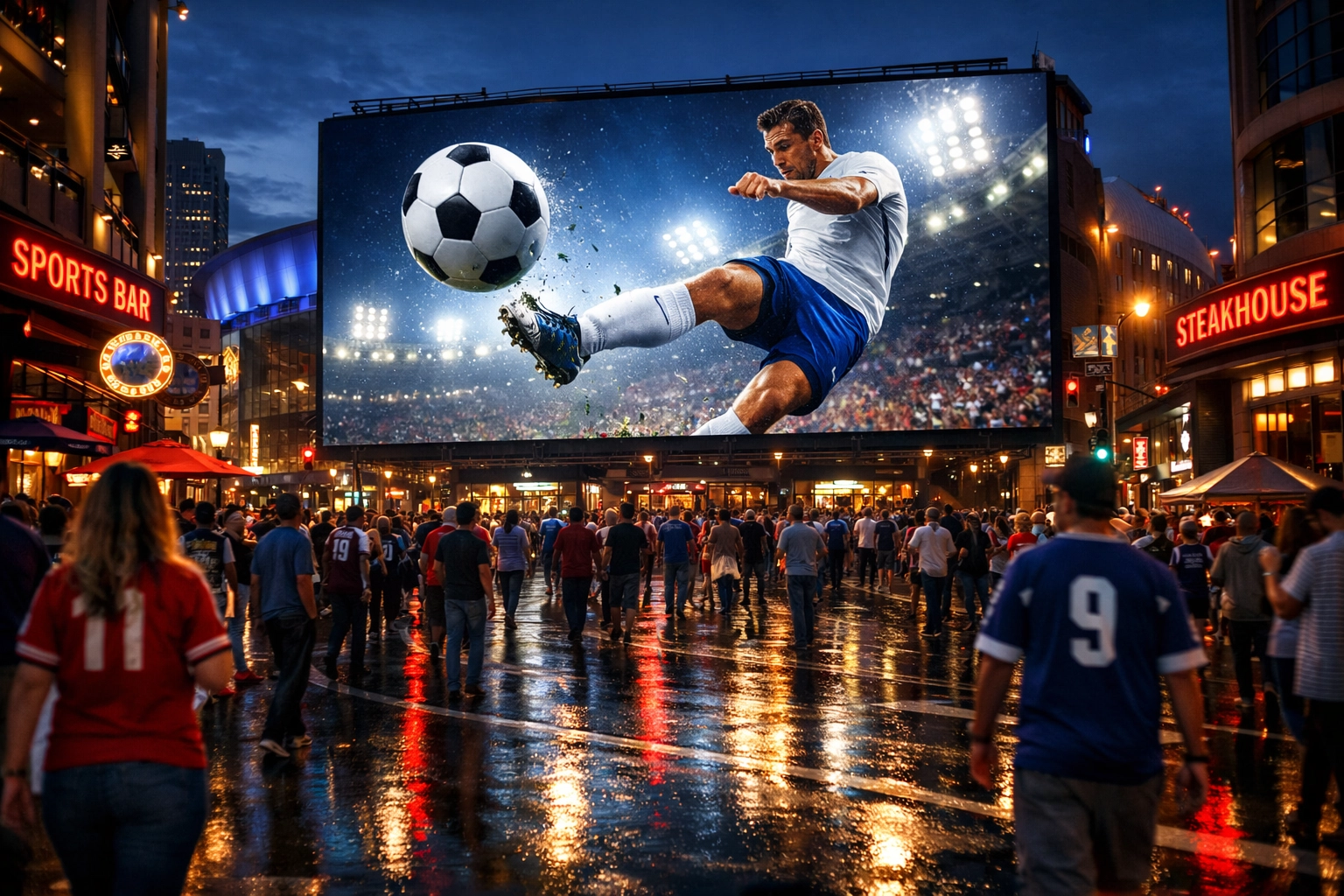
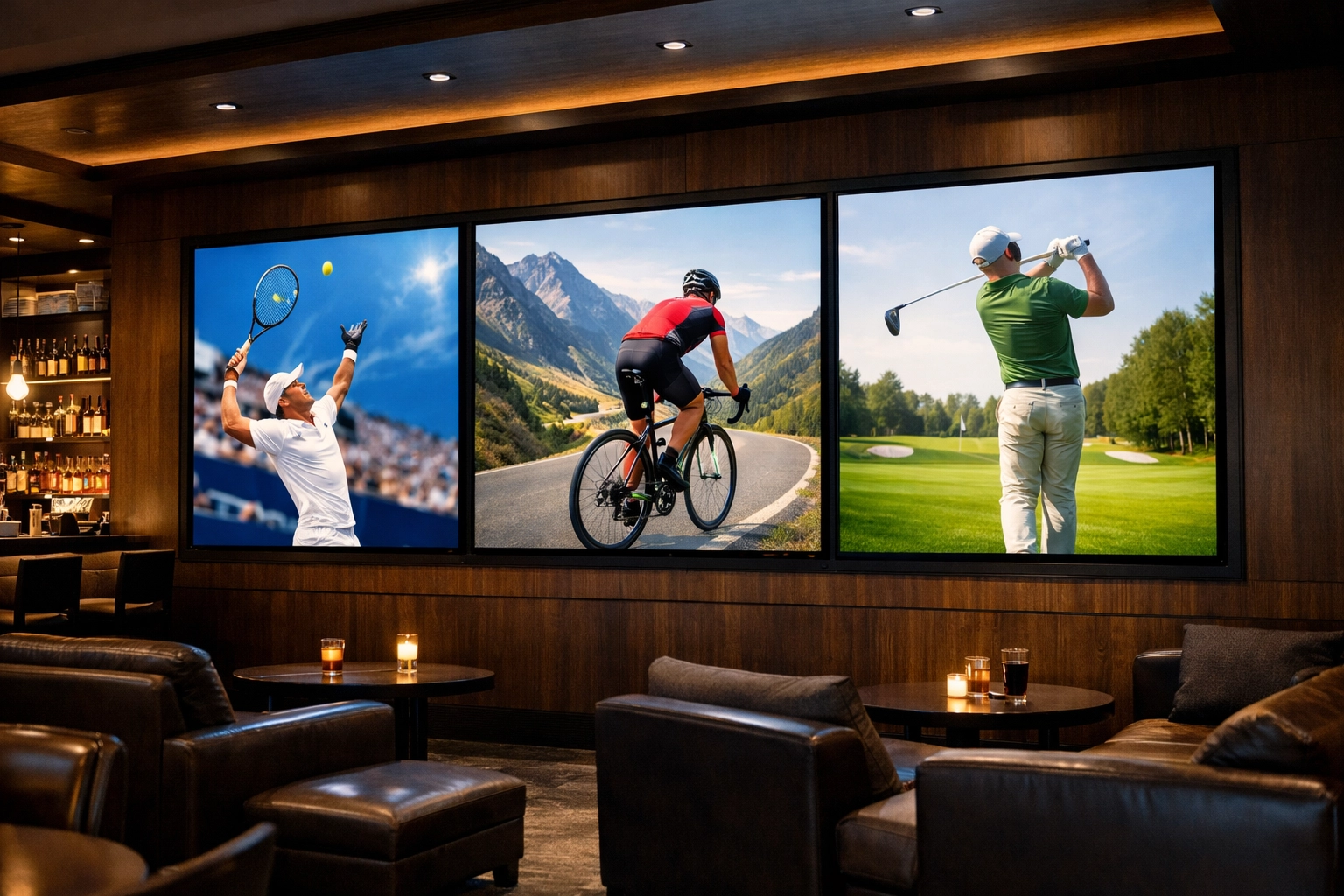
A common misconception in sports marketing is that the audience is only valuable while they are sitting in their seats watching the game. In reality, the vast majority of fan attention happens outside the stadium. Research indicates that 99 percent of fan attention occurs in everyday environments like transit hubs, residential elevators, sports bars, and local retail centers.
Innovative DOOH strategies focus on the routine of the fan rather than just the location of the game. By placing ads where fans live, work, and commute, brands can stay top of mind throughout the entire day. This approach transforms sports marketing from a location based event into a lifestyle based connection. For instance, brands looking to understand how to dominate a city during a major event can look at how Nike successfully surrounded the NYC Marathon without being an official sponsor.
2. The Democratization of Sports Marketing
In the past, sports advertising was a playground reserved for brands with massive budgets capable of securing official sponsorships or national TV spots. Innovation in DOOH has democratized this access. Smaller and mid sized brands can now leverage the excitement of major sporting events by targeting specific neighborhoods or high traffic areas near venues at a fraction of the cost of a traditional sponsorship.
This accessibility allows for hyper local targeting. A regional brand can run a campaign that only triggers in the three mile radius surrounding a stadium on game day. This ensures that every dollar spent is directed toward a high affinity audience, making the entry point for sports marketing much more achievable for brands of all sizes.

3. Dynamic Creative Optimization (DCO)
One of the most significant technological leaps in the industry is Dynamic Creative Optimization. This technology allows digital billboards and screens to update in real time based on external data triggers. For a sports campaign, this means the creative can change based on the live score of a game, the current weather, or even the specific time remaining until kickoff.
Imagine a campaign that displays a celebratory message seconds after a local team wins a championship, or a countdown clock that builds anticipation in the days leading up to a rivalry match. This level of relevance ensures that the ad is not just a static message but a living part of the fan experience. Information on these specialized high impact displays can be found on the Sportrons page.
4. The Omnichannel Priming Effect
Innovation in DOOH is not about working in a vacuum. It is about how digital outdoor screens reinforce other marketing channels. This is known as the priming effect. When a consumer sees a brand on a high impact digital screen during their morning commute, they are significantly more likely to engage with that same brand when they see a digital ad on their phone later in the day or a television spot in the evening.
The efficiency of this omnichannel approach is backed by data. For example, Sea-Doo’s first digital OOH campaign led to a 144 percent increase in purchase consideration by strategically placing creative where it would prime the audience for further digital engagement.
5. Elevated Brand Sentiment Among Fans
Fans have a unique relationship with the brands that support their favorite sports. Data shows that 81 percent of fans feel more positive toward brands that sponsor or engage with the sports they love. Furthermore, 66 percent of consumers are more inclined to purchase from these brands.
Innovation in DOOH allows brands to tap into this positive sentiment without the "clutter" often found in traditional media. Because DOOH is a non intrusive medium, it is viewed as a value add to the environment rather than a disruption. This positive association is a powerful tool for brands looking to build long term loyalty with a passionate demographic.
6. Programmatic Precision and Scalability
The shift toward programmatic DOOH (pDOOH) has changed the way media is bought and sold. Programmatic technology allows for precision targeting based on real world movement data. Media buyers can now bid on specific screen "impressions" that match their target audience profile, such as "sports enthusiasts" or "high income commuters."
This level of precision ensures that campaigns are efficient and measurable. Large scale beverage brands have already seen massive success with this model. For example, White Claw’s programmatic campaign drove a 74 percent lift in purchase consideration for their vodka launch by using data to reach the right people at the right moments.
7. A Massive Expansion of Physical Infrastructure
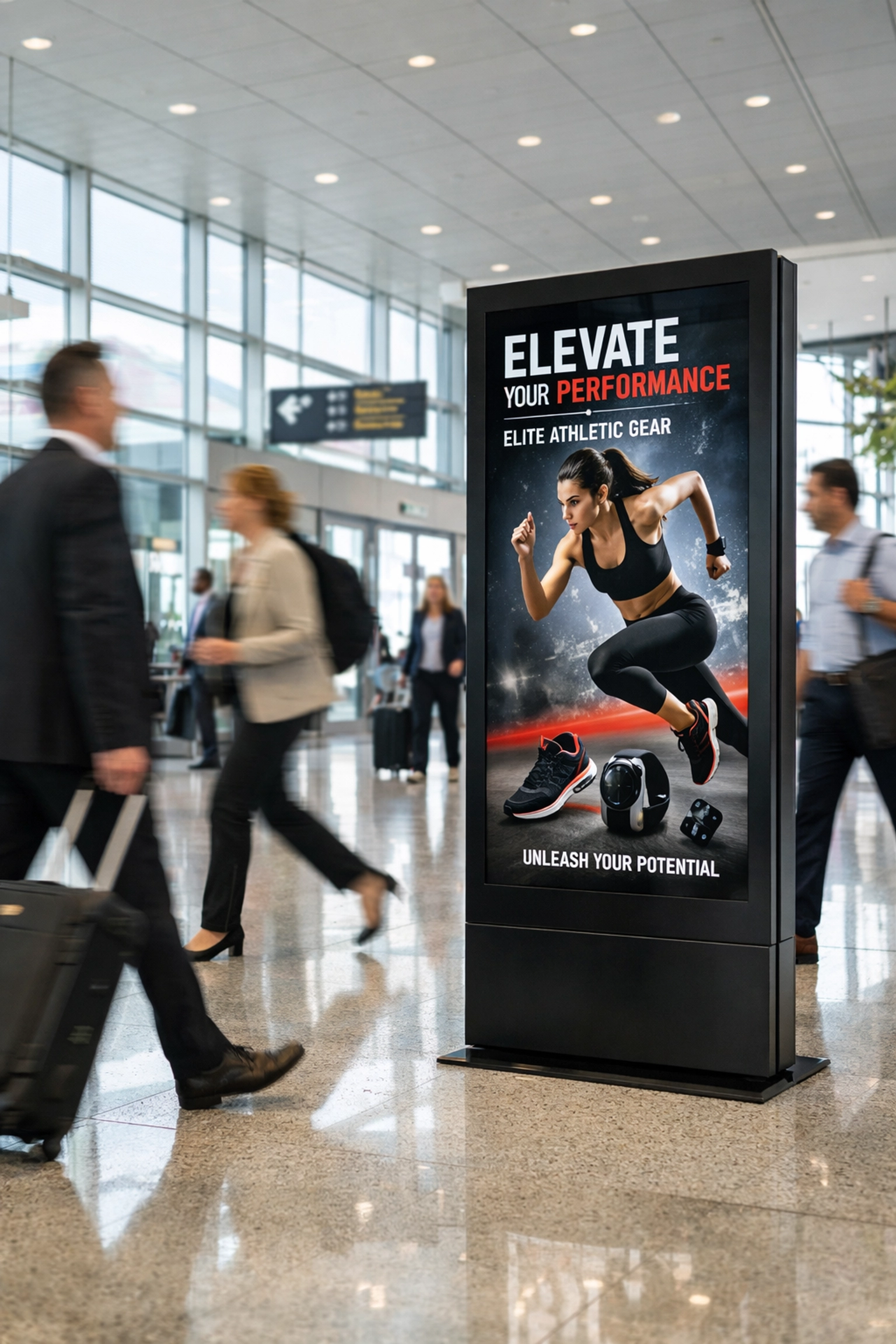
The number of digital screens available for advertising has exploded over the last few years. Innovation is not just in the software but in the hardware and the locations where these screens are placed. From massive spectaculars in urban centers to sleek screens in local sports bars and transit stations, the physical footprint of DOOH is larger than ever.
This infrastructure growth means that brands can follow a fan's entire journey. A brand manager can plan a campaign that starts at a transit hub, continues through a downtown shopping district, and ends at a screen inside a popular sports bar. This constant presence creates a "surround sound" effect that is difficult to ignore.
8. Strategic Timing: Pre-Game, Game-Day, and Post-Game
The "buying window" for sports has expanded. Innovation now allows brands to segment their messaging based on the timing of the event.
- Pre-Game: Focus on anticipation, ticket sales, and apparel.
- Game-Day: Focus on real time scores, food and beverage, and local activations.
- Post-Game: Focus on celebratory messaging, highlights, and retargeting for future events.
By breaking a campaign into these phases, brands can ensure their messaging is always contextually relevant. This strategy prevents creative fatigue and keeps the audience engaged throughout the entire event cycle.
9. Simplified Execution Without Massive Overhead
One of the biggest hurdles to entering the DOOH space used to be the complexity of managing multiple vendors and screen formats. Modern advertising platforms have streamlined this process. Brands can now access premium inventory across multiple networks through a single point of contact.
This simplification means that brand managers do not need a massive in house team to execute a sophisticated sports DOOH campaign. Organizations like OOH Sports provide the tools and expertise to launch high impact campaigns with minimal friction. For those ready to start, the contact page offers a direct line to strategic planning.
10. The Rapid Growth of Women’s Sports Networks
Innovation is also defined by where the money is moving. Women’s sports are currently experiencing record breaking growth in viewership and engagement. New DOOH networks are emerging that focus specifically on women’s sports, reaching hundreds of millions of impressions across college and professional levels.
This is a significant opportunity for brands to reach an underserved and highly engaged audience. As women’s sports continue to break revenue records, being an early mover in this DOOH niche can provide a competitive advantage and demonstrate a brand’s commitment to diversity and inclusion in sports.
Conclusion: Data Driven Success
The evolution of sports DOOH is characterized by more than just bright lights and big screens. It is defined by data, precision, and the ability to meet fans exactly where they are. Results from recent campaigns highlight the effectiveness of these innovations. For example, Mike’s Hard Iced Tea saw a 119 percent lift in positive brand image by utilizing a programmatic DOOH approach.
As the industry continues to innovate, the barrier between physical and digital advertising will continue to blur. For media buyers and brand managers, the goal remains the same: capture attention and drive action. By understanding these 10 key areas of innovation, brands can navigate the complex landscape of sports DOOH with confidence.
For more detailed insights into past campaign performance and strategies, the OOH Sports case study library provides a wealth of real world data to help guide future investment decisions. Understanding the technology and the audience is the first step toward creating a campaign that truly resonates with the modern sports fan.