
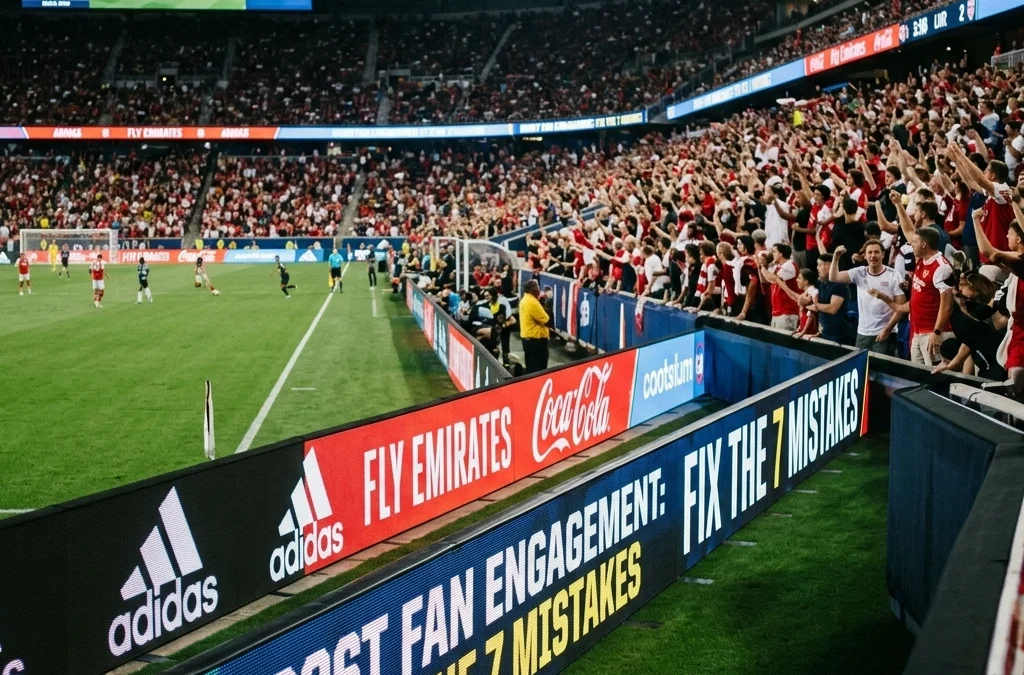
Fan engagement is often the most discussed yet misunderstood metric in sports marketing. Creative directors and CMOs frequently struggle to bridge the gap between a brand message and the raw emotion of a live sporting event. While traditional sponsorships have long been a staple, the rise of digital out of home (DOOH) technology has changed the landscape.
Many campaigns fall short because they apply standard advertising logic to a non-standard environment. Sports fans are not just consumers. They are a captive, highly emotional, and tribal audience. Failing to account for these unique characteristics leads to wasted spend and missed opportunities. Below are seven common mistakes in fan engagement and the ways stadium perimeter advertising provides a strategic solution.
1. Treating Sports Fans Like Generic Consumers
The primary error in many sports marketing campaigns is the failure to recognize fan psychology. A person attending a game is in a state of high physiological arousal. Their focus is intense, their loyalty is vocal, and their emotional state is tied to the performance on the field.
Generic messaging that does not acknowledge this environment feels out of place. It creates a disconnect between the brand and the experience. Stadium perimeter ads solve this by placing the brand directly into the line of sight of the action. When a brand appears on the digital boards during a pivotal play, it becomes part of the memory of that moment. This transforms the brand from an intruder into a participant in the event.
2. Over-Reliance on Social Media for Live Engagement
There is a common belief that fans are constantly looking at their phones during a game. While mobile use is high during breaks, fans focus on the pitch or court during live play. If a brand relies solely on social media or mobile ads to reach fans during the game, they risk missing the moments of highest attention.
Stadium perimeter ads capture the primary focus of the audience. Unlike a mobile ad that can be swiped away, perimeter boards are a constant presence in the physical environment. They offer a non-intrusive way to maintain brand awareness without requiring the fan to look away from the game. By combining perimeter visibility with retargeting strategies later, brands can create a more effective multi-channel approach.
3. Ignoring the Power of the Emotional Peak
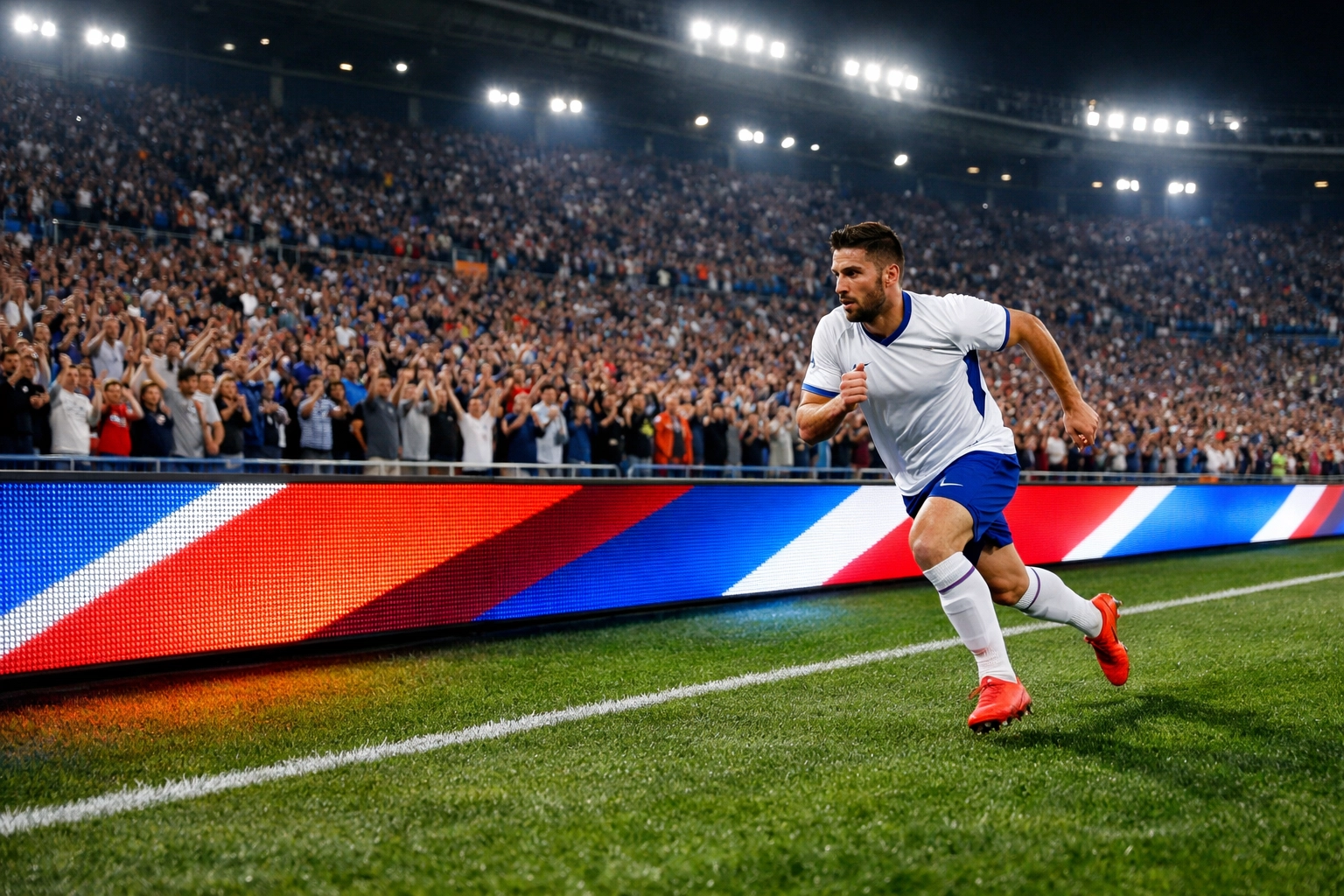
Marketing effectiveness is often tied to the "peak-end rule," which suggests that people judge an experience based on how they felt at its peak and its end. Many brands spend their budget on halftime slots or pre-game activations when the emotional intensity is lower.
Perimeter advertising allows brands to be present during the actual peaks of the game, such as goals, touchdowns, or buzzer-beaters. Because these boards are often in the background of replays and highlight reels, the brand impact extends far beyond the live event. This synchronization with high-leverage moments ensures that the brand is associated with the positive adrenaline of the sport.
4. Maintaining a Static Messaging Strategy
Ad blindness is a significant hurdle in stadium environments. Frequent attendees and season ticket holders often stop noticing static signage after the first few games. Using the same creative for an entire season is a missed opportunity to keep the audience engaged.
Digital perimeter boards allow for dynamic creative updates. Brands can change their messaging based on the progression of the season, the specific opponent, or even the current score. This flexibility ensures the content remains fresh and relevant. Strategies like those seen in real-time sports betting DOOH campaigns demonstrate how reacting to live data can significantly increase engagement.
5. Underestimating the Prestige of Perimeter Positioning
Some marketers view perimeter boards merely as background visibility. In reality, these placements carry significant prestige. Fans subconsciously associate brands on the field-level boards with the professional level of the athletes and the league itself.
This "halo effect" provides a level of authority that is difficult to replicate through standard digital banner ads or social media placements. When a brand is positioned at the court-side or pitch-side, it signals a high level of investment and commitment to the sport. This increases brand trust and purchase consideration among a loyal audience base.
6. Neglecting Real-Time Contextual Triggers
A major mistake in fan engagement is failing to use external data to drive creative. Many campaigns are planned weeks in advance and run regardless of what is happening in the world. Stadium perimeter advertising, when powered by programmatic DOOH technology, allows for contextual triggers.
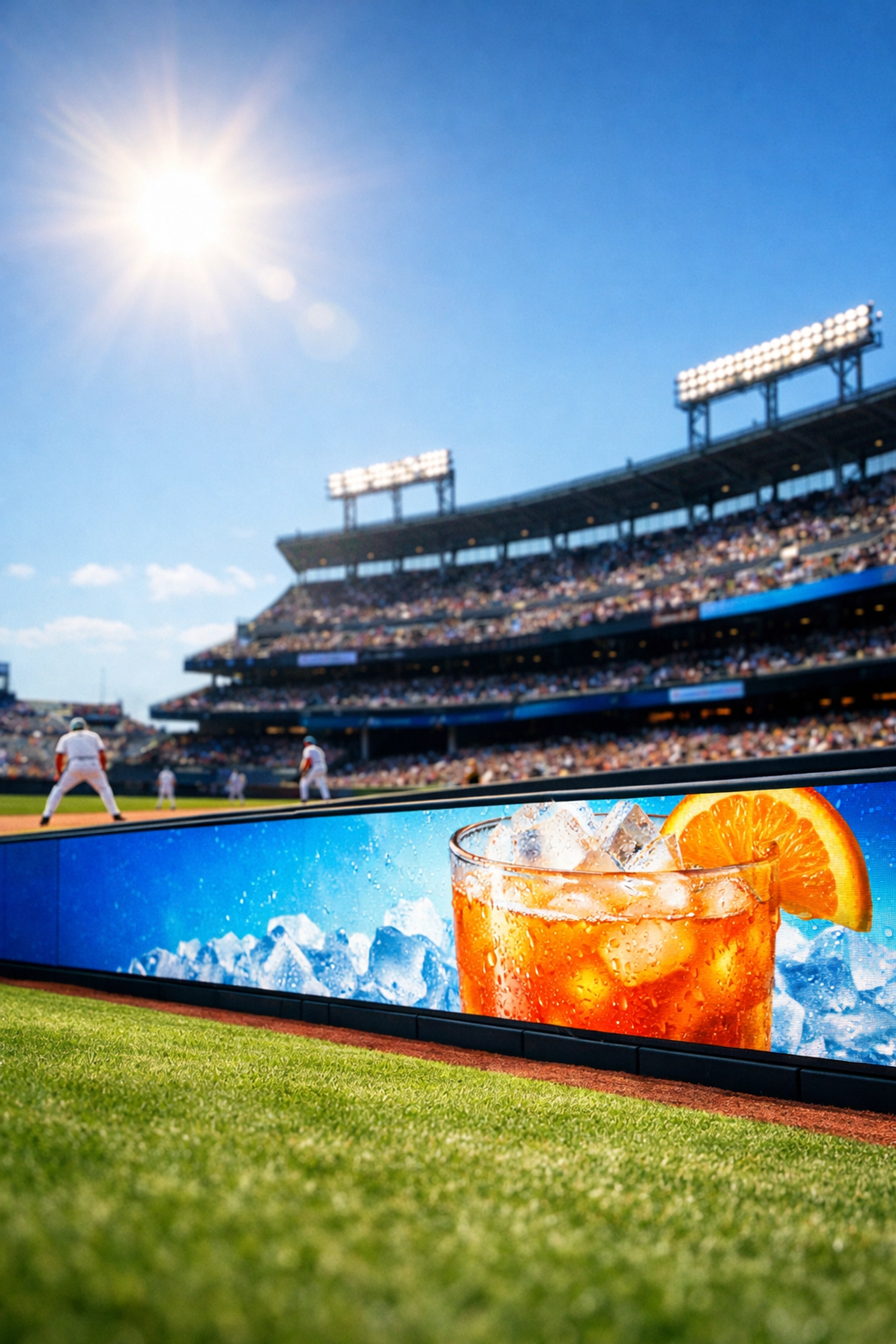
For example, a beverage brand could trigger specific creative if the temperature in the stadium rises above a certain point. A ride-sharing app could increase its visibility during the final minutes of a game to remind fans to book a ride home. Ignoring these triggers means the message is less relevant to the fan's immediate needs. Using data to drive execution is a core part of modern DOOH sports strategies.
7. Poor Integration Across Channels
Stadium perimeter ads should not exist in a vacuum. A common mistake is treating the stadium as an isolated marketing channel. When the game ends, the brand engagement often stops.
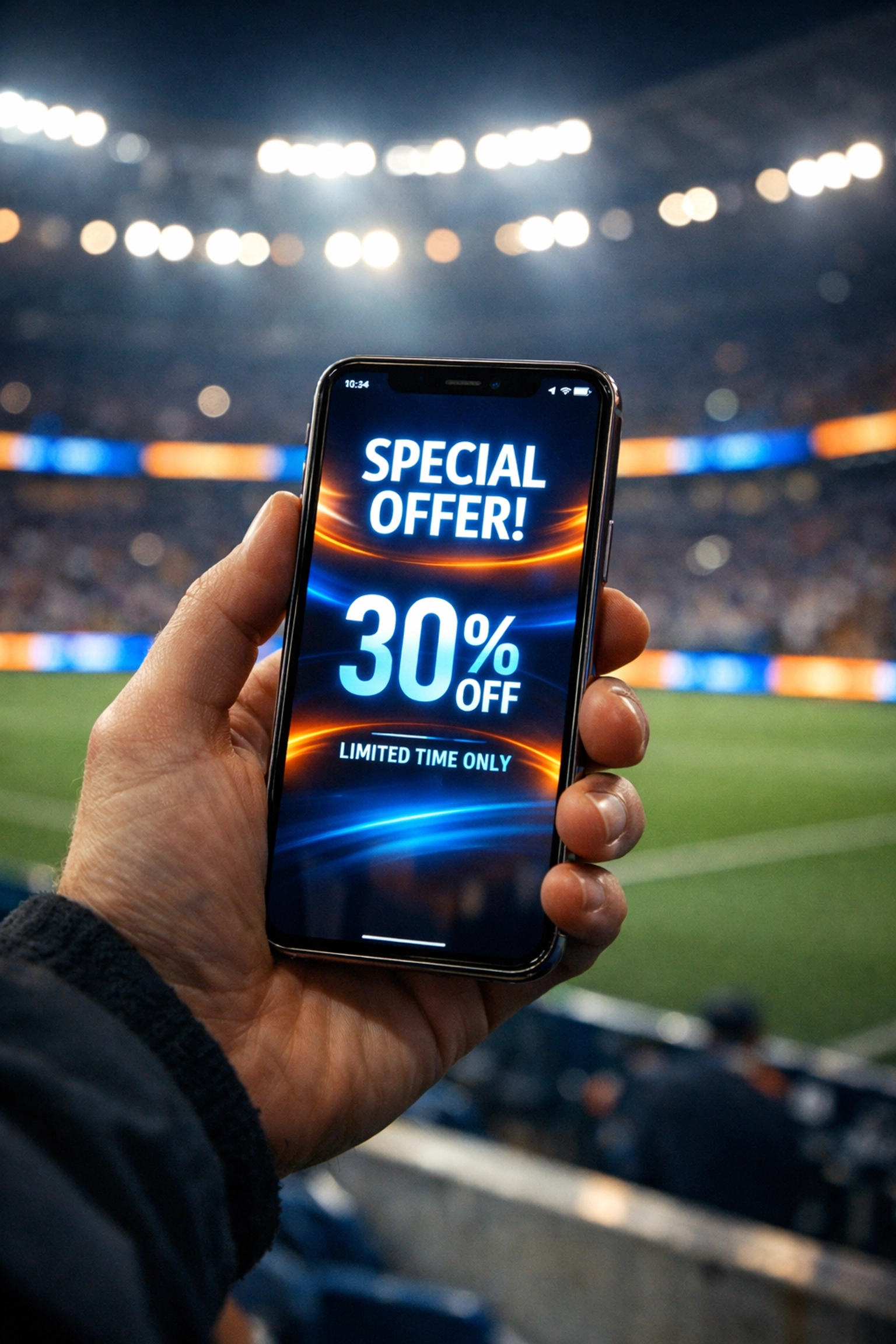
The fix is using the stadium presence as the "hook" for a broader omnichannel campaign. Mobile retargeting can be used to reach fans who were exposed to the perimeter ads within the stadium geofence. This creates a cohesive journey from the high-impact visual of the stadium to a direct-action opportunity on the fan's device. Results from campaigns by brands like White Claw and Sea-Doo show that this integrated approach leads to significant lifts in purchase consideration and brand image.
Strategy and Execution
To fix these mistakes, CMOs and creative directors should focus on a strategic framework that prioritizes relevance and technology.
Objective and Strategy
The objective should shift from simple impressions to "meaningful impressions." This involves identifying the specific moments within a game that align with the brand values. If the goal is to show reliability, appearing during defensive plays or "clutch" moments is more effective than a generic rotation.
Technology Partners
Leveraging programmatic platforms allows brands to buy stadium perimeter space with the same precision as digital display ads. This means using data to decide when and where the ad appears. Working with specialized partners ensures that the creative is optimized for the specific dimensions and lighting conditions of stadium screens.
Results and Measurement
Modern DOOH measurement goes beyond attendance counts. By using anonymized mobile data and brand lift studies, marketers can track how exposure to stadium perimeter ads affects consumer behavior.
- Brand Awareness: Measuring the increase in top-of-mind recall after a game.
- Intent: Tracking spikes in search volume or website visits during and after the event.
- Foot Traffic: Monitoring visits to retail locations following exposure at the stadium.
For instance, AB InBev's Mike's Hard Iced Tea saw a 119 percent lift in positive brand image by utilizing targeted programmatic DOOH. These metrics provide the proof of success that traditional sponsorships often lack.
The Future of Stadium Advertising
The shift toward digital and programmatic execution is not just a trend. It is a fundamental change in how brands interact with fans. As stadium technology continues to evolve, the ability to deliver personalized, real-time content will become the standard.
By avoiding the seven mistakes mentioned above, brands can move away from being "background noise" and start becoming a valued part of the sports experience. Stadium perimeter ads offer a unique combination of scale, prestige, and emotional resonance. When executed correctly, they fix the engagement gap and provide a high return on investment for sports marketers.
For those looking to refine their approach, exploring the differences between traditional ads and programmatic DOOH is a necessary step. The brands that win are those that understand the fan is the hero of the story and the brand is there to support that journey.