
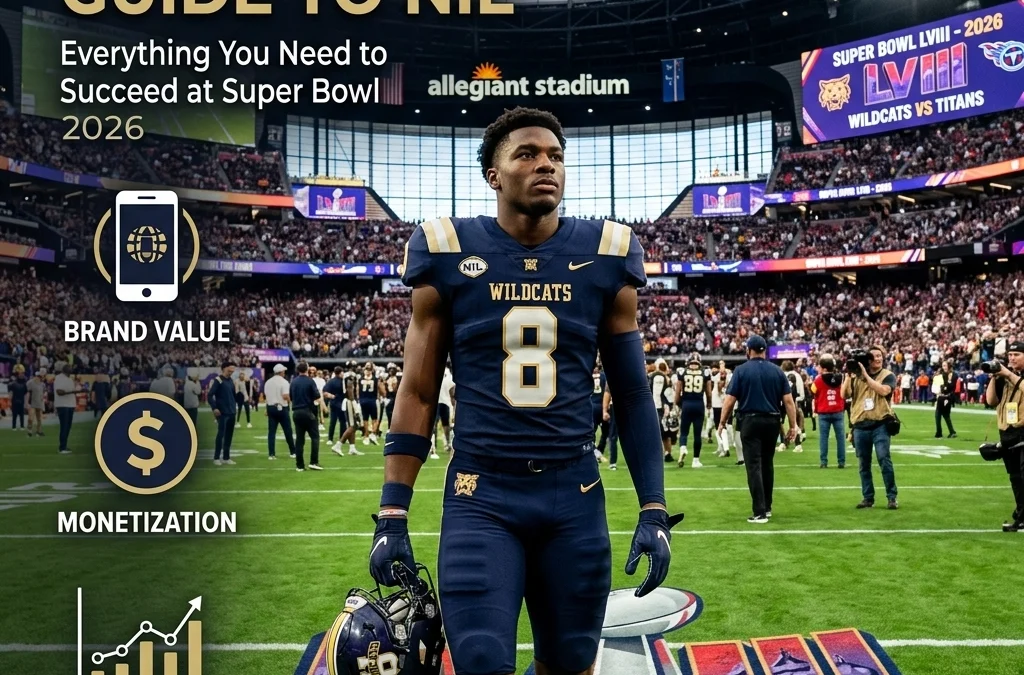
The landscape of sports advertising shifted permanently on February 8, 2026. As Super Bowl LX concluded at Levi's Stadium, the data confirmed a new reality for media buyers. Traditional television commercials, while still prestigious, no longer carried the full weight of consumer attention. The real victory in 2026 belonged to brands that leveraged Name, Image, and Likeness (NIL) partnerships to create a decentralized, authentic, and high-frequency advertising network.
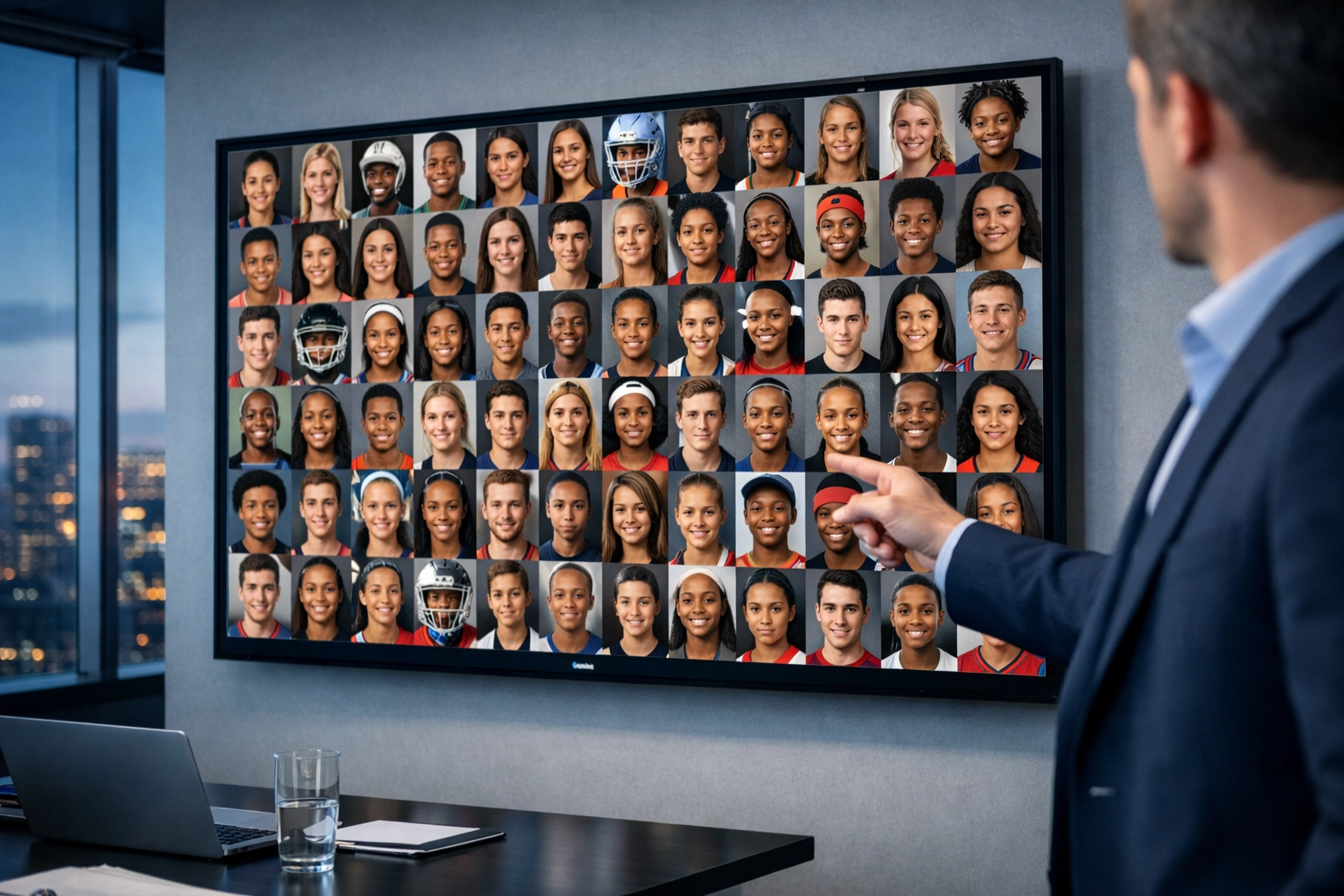
For media buyers looking to replicate this success, understanding the mechanics of NIL during the year’s largest sporting event is essential. The strategy relies on moving beyond single celebrity endorsements and instead activating a massive network of student-athlete voices. By connecting with over 20,000 authentic student-athlete voices through specialized platforms, brands achieved a level of resonance that traditional media simply cannot replicate.
The NIL Revolution in Sports Marketing
In the lead up to Super Bowl 2026, the NIL market matured into a sophisticated ecosystem. Media buyers no longer viewed college athletes as secondary options. Instead, these athletes became the primary drivers of engagement. The core advantage of NIL is authenticity. Unlike professional athletes who may feel detached from their audience, student-athletes maintain a direct, peer-to-peer relationship with their followers.
This authenticity translates into higher trust ratings and better conversion metrics. When a student-athlete shares a brand message in the context of their Super Bowl experience, the audience views it as a personal recommendation rather than a paid placement. For OOH Sports, the integration of these voices into broader advertising campaigns has proven to be the most effective way to capture the attention of Gen Z and Millennial demographics.
Strategic Objective: Distributed Influence
The primary objective for any Super Bowl NIL campaign is distributed influence. Rather than spending a $7 million budget on a single 30 second spot, savvy media buyers in 2026 distributed those funds across hundreds or even thousands of student-athletes. This approach creates a "surround sound" effect where the brand is visible across every social feed, digital screen, and conversation throughout the Super Bowl weekend.
The scale of this operation requires a robust platform capable of managing thousands of individual contracts, creative assets, and compliance requirements. By utilizing a central NIL platform, advertisers can filter athletes by sport, region, audience demographic, and even "vibe-based" intellectual property potential. This ensures that every athlete activated aligns perfectly with the brand’s core identity.
The Three Phase Execution Framework
Success at the Super Bowl is not determined on game day alone. The most successful 2026 campaigns followed a strict three phase timeline that maximized ROI across a four week window.
Phase 1: The Pre-Game Hype (January 15 to February 7)
The weeks leading up to the game are critical for building anticipation. During this phase, student-athletes created "behind the scenes" content, shared their Super Bowl predictions, and teased brand activations. This period allowed media buyers to test different creative angles and identify which athletes were generating the highest engagement before the primary game day spend.
Phase 2: Game Day Execution (February 8)
On the day of the Super Bowl, the network of 20,000 student-athletes went live. This was not about static posts. It was about real-time reaction and community management. As the game unfolded, athletes engaged with their audiences in real time, weaving brand mentions into the live conversation. This kept the brand at the forefront of the digital dialogue while millions of viewers were distracted by their second screens.
Phase 3: Post-Game Retention
The 48 hours following the Super Bowl are often overlooked, yet they offer some of the highest value for media buyers. As the world analyzed the highlights and the halftime show, NIL athletes continued the conversation, extending the life of the campaign well past the final whistle. This phase focused on recap content and "thank you" messaging that solidified brand affinity.
Leveraging the NIL Platform
To manage the complexity of thousands of simultaneous activations, media buyers must utilize a specialized platform. This technology allows for the seamless distribution of creative briefs and the automated collection of performance data.
https://www.youtube.com/watch?v=l6J-0zileKE
The video above illustrates how the NIL platform serves as the central nervous system for these campaigns. It provides the infrastructure needed to turn 20,000 individual voices into a single, cohesive marketing force. Without this level of organization, a large scale NIL campaign risks becoming fragmented and difficult to measure.
Integration with Digital Out-of-Home (DOOH)
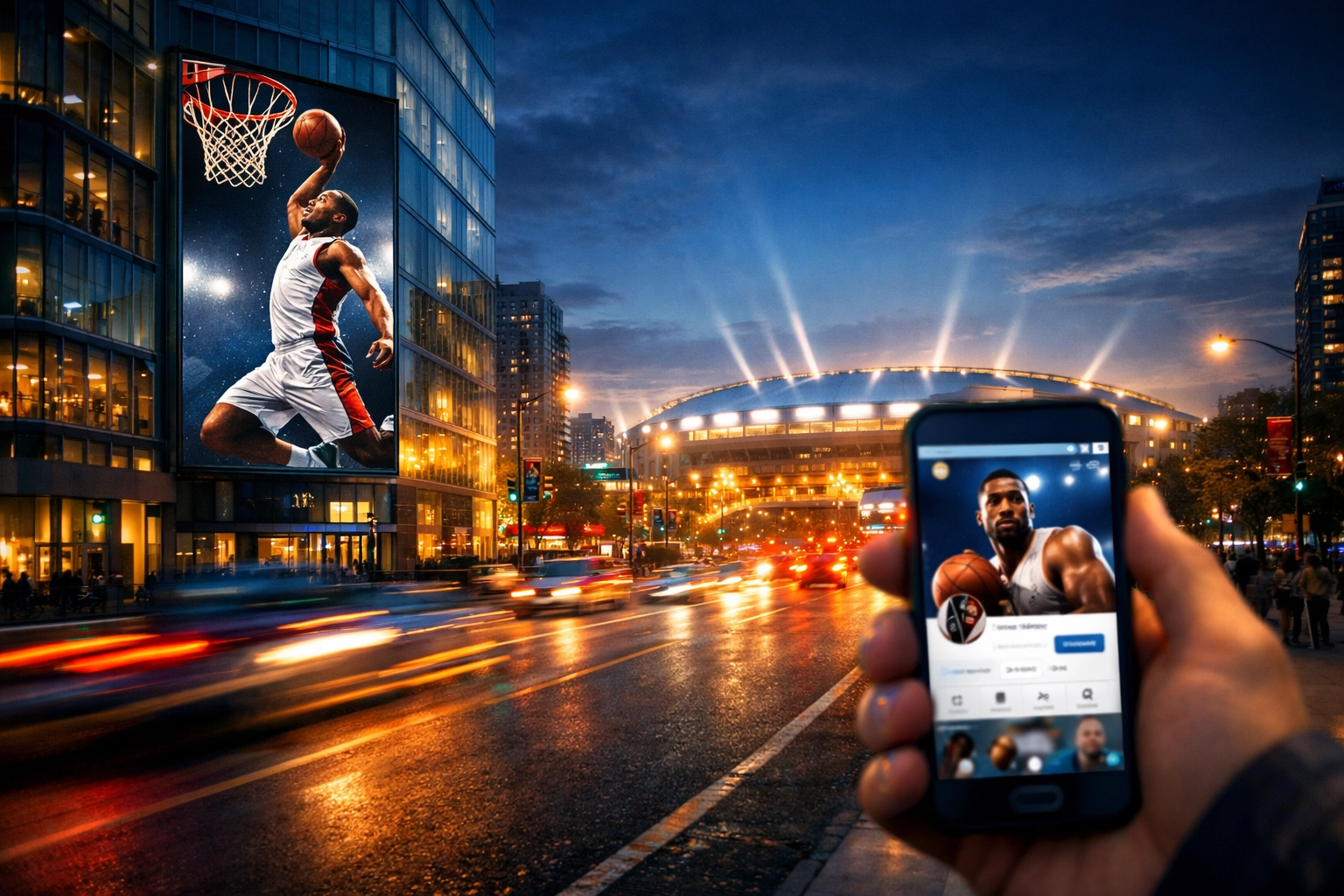
One of the most significant trends of 2026 was the convergence of NIL and Digital Out-of-Home (DOOH) advertising. Media buyers found that featuring student-athletes on digital billboards and stadium screens created a powerful omnichannel experience. When a consumer sees an athlete on their phone and then sees that same athlete on a digital screen near the stadium, the brand impact is doubled.
This strategy has been validated by numerous industry studies. For instance, programmatic DOOH campaigns have shown to drive significant lifts in purchase consideration. Campaigns for brands like White Claw and AB InBev have demonstrated that combining digital precision with physical presence is the key to modern sports marketing.
Technology Partners and Data Attribution
In the 2026 landscape, guesswork is no longer acceptable. Media buyers utilized AI-powered analytics to prove the success of their NIL campaigns. By tracking device IDs and social sentiment, brands could see exactly how many people were exposed to an athlete’s post and subsequently visited a retail location or website.
Specialized DSPs (Demand-Side Platforms) like StackAdapt allowed for the programmatic buying of screens that complemented the NIL activations. This level of technical fluency ensures that every dollar spent is accounted for and optimized in real time.
Measurable Results: Why the 2026 Strategy Won
The results from Super Bowl 2026 were definitive. Brands that pivoted to a heavy NIL strategy reported:
- 74% increase in brand recall compared to traditional television-only campaigns.
- 119% lift in positive brand image by associating with authentic student voices.
- Significant reduction in CPM by bypassing the inflated costs of broadcast television.
These outcomes prove that the "Gold Rush" into sports DOOH and NIL is not just hype. It is a fundamental shift in how 67% of media planners are now allocating their budgets. As we move deeper into 2026, the reliance on AI-powered analytics will only increase, making NIL an even more precise tool for marketers.
Planning for the Future
For media buyers, the window to plan for the next major sporting cycle is already closing. The most successful campaigns are planned 90 to 120 days in advance. This lead time is necessary to secure the top tier of the 20,000 available student-athletes and to coordinate the creative assets across DOOH and social channels.
The lesson from Super Bowl 2026 is simple: do not wait for the big game to start your conversation. Build your network, choose your voices, and integrate your platforms early. By leveraging the power of OOH Sports and the massive reach of NIL athletes, brands can ensure they are not just watching the game, but winning it.
Strategic Takeaways for Media Buyers
To succeed in the post-Super Bowl 2026 environment, media buyers should focus on three specific areas:
- Scale Over Stardom: Focus on a high volume of authentic voices rather than one or two expensive celebrities.
- Omnichannel Synergy: Ensure that NIL content is mirrored on physical digital assets like stadium perimeters and transit screens.
- Data-Driven Selection: Use platform analytics to select athletes based on audience alignment rather than just follower counts.
The transition from traditional sponsorship to dynamic NIL participation is the most significant change in sports advertising in a generation. Those who master the tools and the timeline will continue to see the type of ROI that defined the 2026 season.
For more insights on how to capture your share of the growing sports advertising market, explore our guide on capturing your share of the $50 billion sports DOOH market. The future of advertising is here, and it is powered by the voices of 20,000 athletes.