
FOR IMMEDIATE RELEASE
OOH Sports Announces Major Network Expansion, Reaching Over 25,000 Digital Screens Across North America
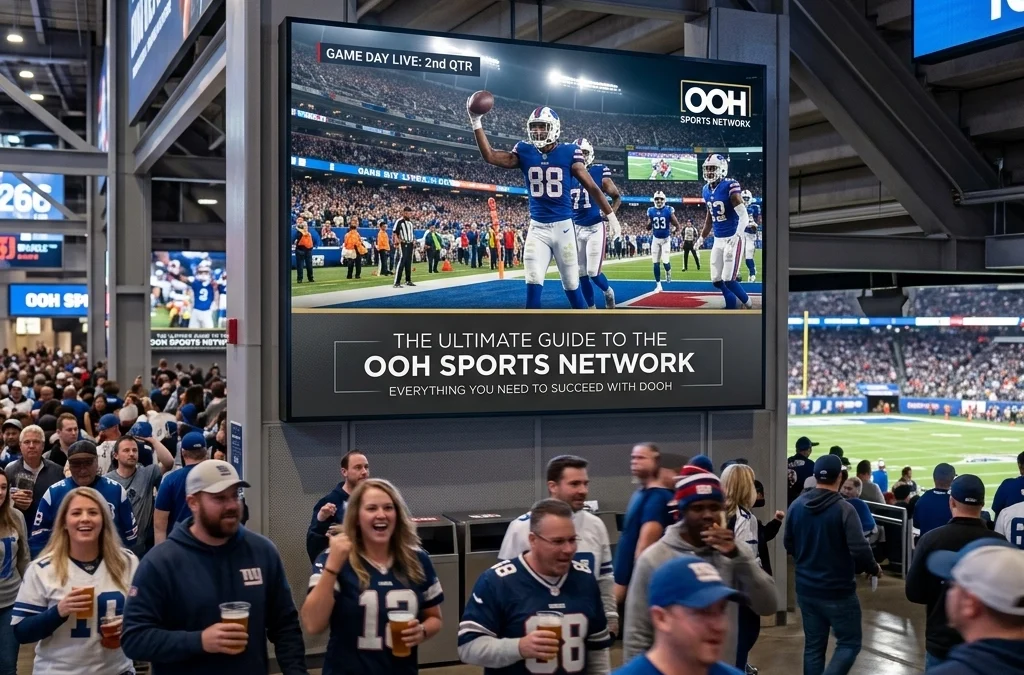
OOH Sports, a leader in the digital out-of-home advertising sector, has reached a significant milestone in its mission to revolutionize sports marketing. The company now offers media buyers and brands access to a synchronized network of more than 25,000 digital screens. This expansion solidifies the OOH Sports Network as a primary vehicle for reaching sports fans at every stage of their journey, from the moment they leave their homes to the final whistle and beyond.
This evergreen expansion allows for unprecedented scale in the programmatic DOOH space. By providing a unified infrastructure that spans major metropolitan hubs and mid-sized markets, OOH Sports enables brands to execute national campaigns with local precision. The focus remains on delivering simple, impactful, and data-driven advertising solutions that bridge the gap between physical sports environments and digital consumer behavior.

The Strategic Foundation of the OOH Sports Network
Success in the modern advertising landscape requires more than just visibility. It requires presence in the right place at the right time. The OOH Sports Network is built on the principle of the "Fan Journey." Unlike traditional static billboards that remain fixed in one location, digital out-of-home (DOOH) assets within this network are strategically placed to follow the movement of the audience.
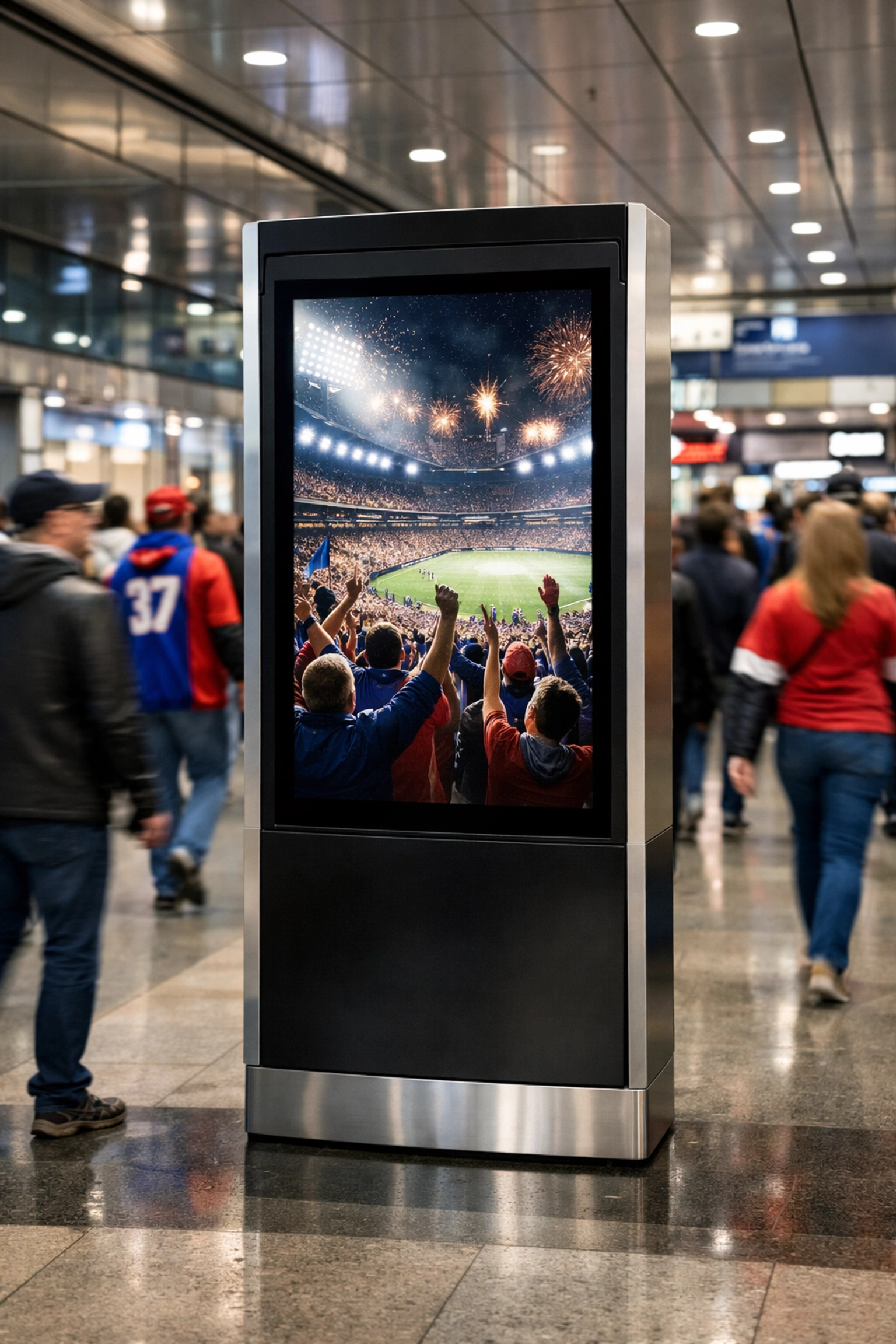
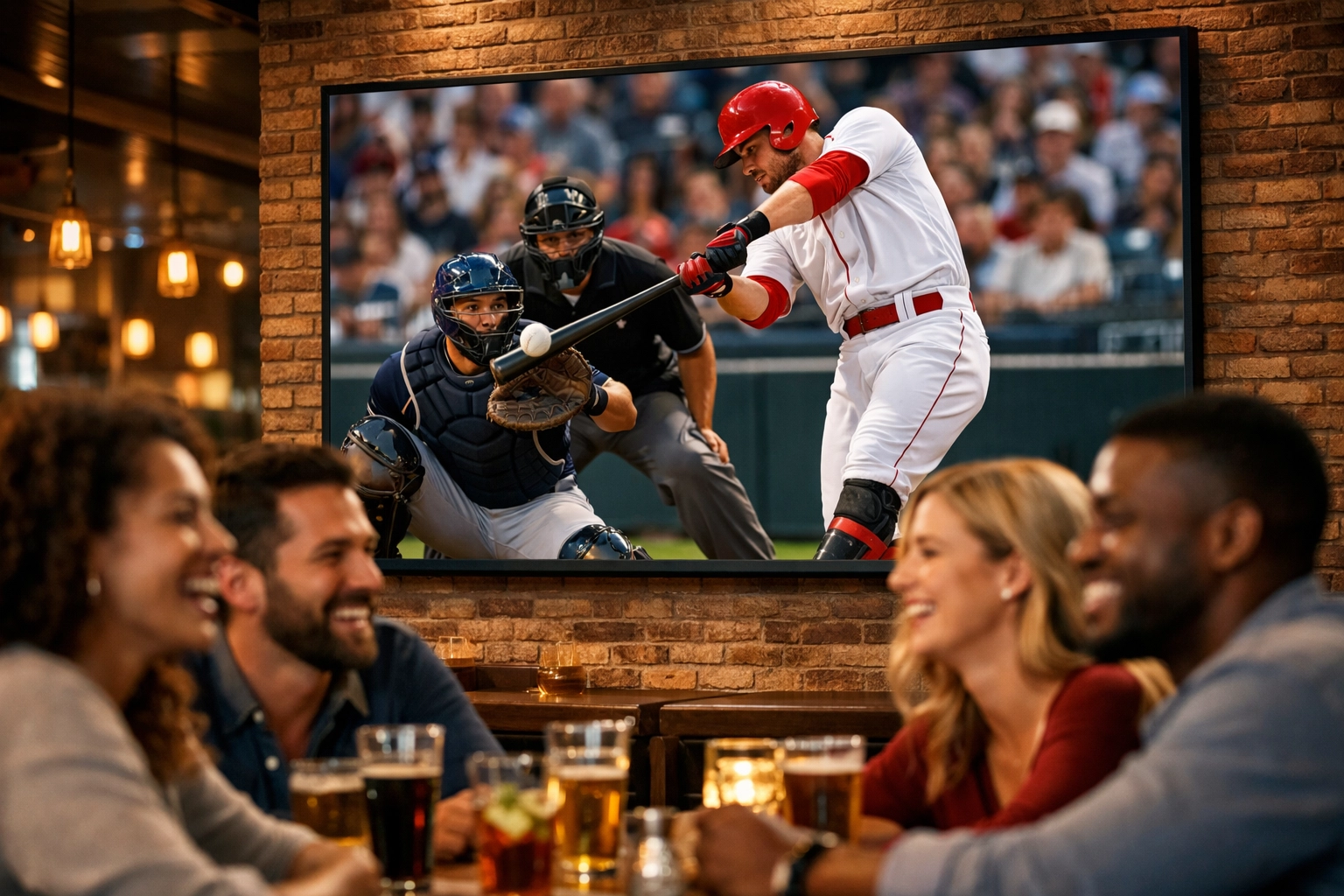
The network includes a diverse array of inventory types, most notably the Sportrons, which are high-impact digital displays designed specifically for the sports environment. These screens are located in venues, transit hubs, and fan congregation points like sports bars and restaurants. This distribution ensures that a brand message is not limited to a three-hour game window but is instead part of a continuous narrative that captures the attention of fans during pre-game excitement and post-game celebrations.
For media buyers, the primary objective is to eliminate the logistics of fragmented regional buys. By utilizing the OOH Sports Network, advertisers can access a massive footprint through a single point of entry, ensuring consistent creative delivery across thousands of screens simultaneously.
Objective and Strategy: Reaching the 99 Percent
A common misconception in sports marketing is that the only valuable audience is the one sitting inside the stadium. However, data indicates that 99 percent of sports fans are actually outside the stadium walls during any given event. The OOH Sports strategy focuses on capturing this "99 percent" by activating screens where they live, work, and socialize.
The strategy involves three core pillars:
- Scale: Utilizing over 25,000 screens to ensure broad reach.
- Context: Aligning brand messaging with live sporting events and cultural moments.
- Flexibility: Using programmatic technology to allow for real-time optimizations.
By focusing on these pillars, the network provides a way for brands to achieve high-frequency exposure without the waste associated with traditional broad-reach media.
Technology Partners and Programmatic Integration
The backbone of the OOH Sports Network is its sophisticated technological stack. To ensure seamless execution, the network integrates with leading Demand-Side Platforms (DSPs). A notable example of this is the spotlight on StackAdapt DSP, which highlights how programmatic DOOH is being adopted in omnichannel campaigns.
Programmatic integration allows media buyers to:
- Set specific triggers based on weather, game scores, or time of day.
- Adjust creative assets instantly to reflect real-world events.
- Manage budgets with precision, shifting spend toward high-performing locations in real-time.
This level of control is essential for modern marketing teams who need to prove the ROI of every dollar spent. By moving away from manual "loop-based" buying and toward an impression-based model, OOH Sports provides a more transparent and efficient way to purchase out-of-home media.
Proven Results: Case Studies in Impact
The effectiveness of the OOH Sports Network is best demonstrated through the measurable success of major brand campaigns. These results show that DOOH is not just an awareness tool but a powerful driver of purchase consideration and brand health.
White Claw: Driving Purchase Consideration
In a campaign designed to launch a new vodka product, White Claw utilized the network to reach consumers in high-intent environments. The results were significant, showing a 74 percent lift in purchase consideration. This was achieved by using location intelligence to identify where the target demographic congregated and serving them relevant, eye-catching creative.
Mike’s Hard Iced Tea: Enhancing Brand Image
Brand perception is a critical metric for long-term growth. Mike’s Hard Iced Tea leveraged the OOH Sports Network to improve its standing among sports fans. The campaign resulted in a 119 percent lift in positive brand image. By associating the brand with the positive emotions of the sports experience, the campaign successfully moved the needle on consumer sentiment.
Sea-Doo: Increasing Intent
For high-consideration purchases like recreational vehicles, DOOH provides the necessary frequency to stay top-of-mind. Sea-Doo’s first digital OOH campaign saw a 144 percent increase in purchase consideration. The ability to target fans in specific geographic areas near water-based recreation hubs was a key factor in this success.
Tactics for Execution: How to Succeed with DOOH
To maximize the impact of a campaign on the OOH Sports Network, advertisers should follow a set of established best practices.
1. Implement Dynamic Creative Optimization (DCO)
Static ads are less effective in a dynamic environment. Using DCO technology allows the creative to change based on live data feeds. For example, if a local team wins, the screen can immediately update to show a celebratory message alongside the brand logo. This relevance creates a deeper connection with the audience.
2. Leverage Audience-Led Targeting
Rather than simply buying a zip code, buyers should use behavioral data. By identifying where specific audiences (such as "marathon runners" or "college football fans") are likely to be, the network can activate only the screens that will reach those individuals. This minimizes wasted impressions and increases the relevance of the ad.
3. Coordinate Multi-Moment Activation
A successful campaign should span the entire event window. This means having a presence at the airport for fans traveling to a game, on transit routes heading to the stadium, and in the bars where fans gather afterward. This multi-touchpoint approach builds brand recall through repetition in different contexts.
4. Connect to an Omnichannel Strategy
DOOH should not exist in a vacuum. By using geofencing and capturing anonymized device IDs of people exposed to the screens, brands can retarget those same individuals on their mobile devices or social media feeds. This creates a "surround sound" effect that reinforces the message and moves the consumer further down the sales funnel.
The Future of Sports Advertising
The growth of the OOH Sports Network comes at a time when the industry is seeing a massive shift in how sports-related media is consumed. Traditional television viewership is fragmenting, but the passion for live sports remains a constant. As a result, the physical world has become the new frontier for high-impact advertising.
Forecasts indicate that DOOH sports advertising will reach $50 billion by 2030. This growth is driven by the increasing availability of digital screens and the advancement of measurement technologies. Brands are realizing that they can achieve "official sponsor" levels of visibility without the "official sponsor" price tag by being strategically present in the environments where fans congregate.
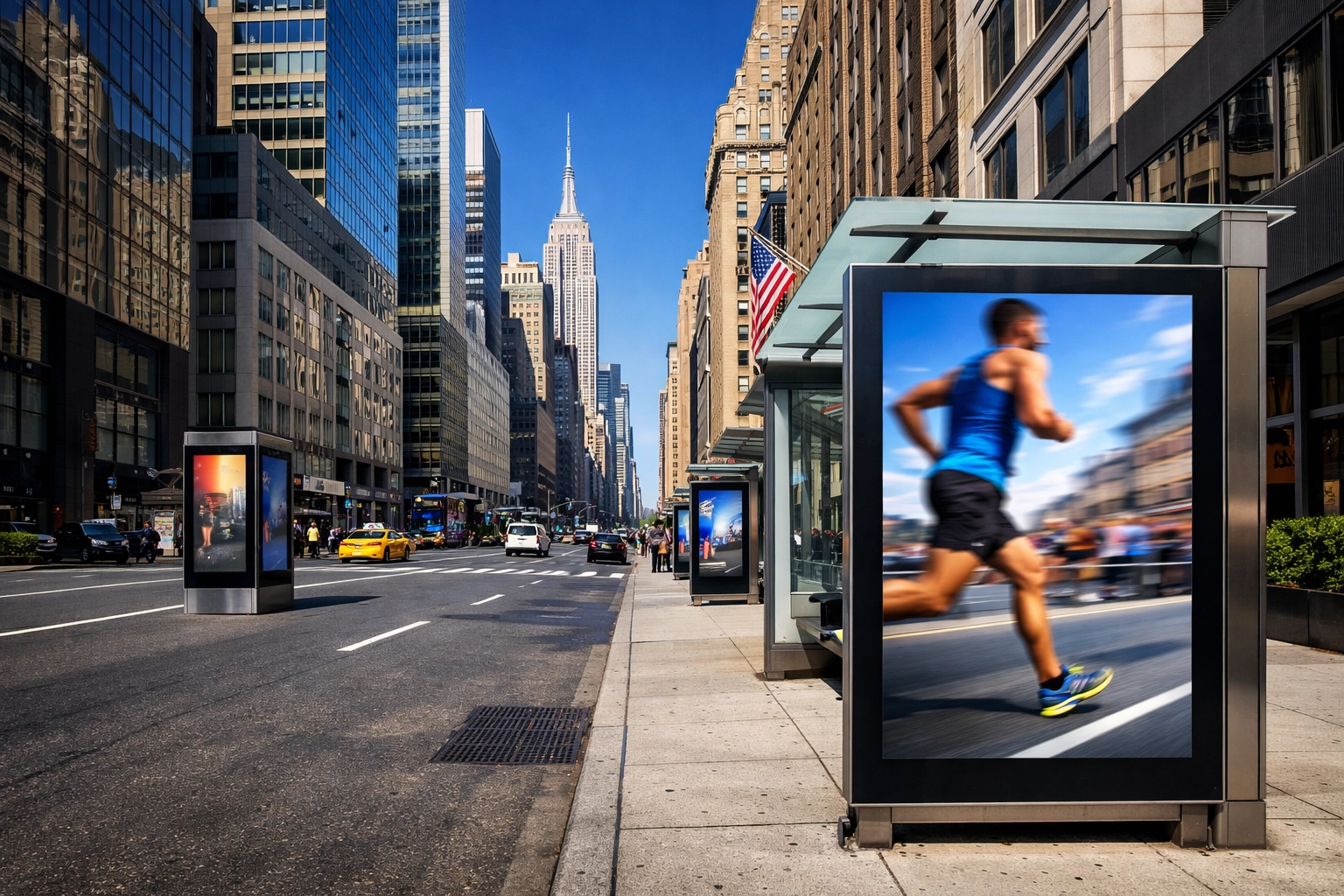
A prime example of this "ambush" or "surround" marketing strategy was seen during the NYC Marathon. Even though certain brands were not official sponsors, their heavy presence on DOOH screens throughout the city made them synonymous with the event in the eyes of the public. This approach allows brands to be nimble and opportunistic. You can read more about how Nike successfully utilized this strategy to dominate a major event through out-of-home presence.
Measurement and Accountability
In the past, out-of-home advertising was often criticized for a lack of precise measurement. The OOH Sports Network addresses this by using industry-standard attribution models. Through partnerships with data providers, the network can track:
- Foot Traffic Lift: Measuring the increase in physical visits to a retail location after exposure to an ad.
- Brand Lift Studies: Surveying exposed versus unexposed audiences to measure changes in awareness, favorability, and intent.
- Online Conversion: Linking DOOH exposure to website visits or app downloads using device ID matching.
This commitment to data ensures that every campaign is accountable and that advertisers can refine their tactics based on actual performance.
Conclusion
The OOH Sports Network provides the scale, technology, and strategic placement necessary for brands to succeed in the competitive world of sports marketing. By reaching fans across 25,000+ screens during their most engaged moments, the network offers a level of impact that traditional digital channels simply cannot match.
For more information on how to leverage the OOH Sports Network for your next campaign, please visit the about page or contact the team directly. To explore more about the history and policies of the network, readers can view the company policies and terms of service.
The future of sports advertising is digital, out-of-home, and focused on the fan. OOH Sports is proud to lead that charge.