
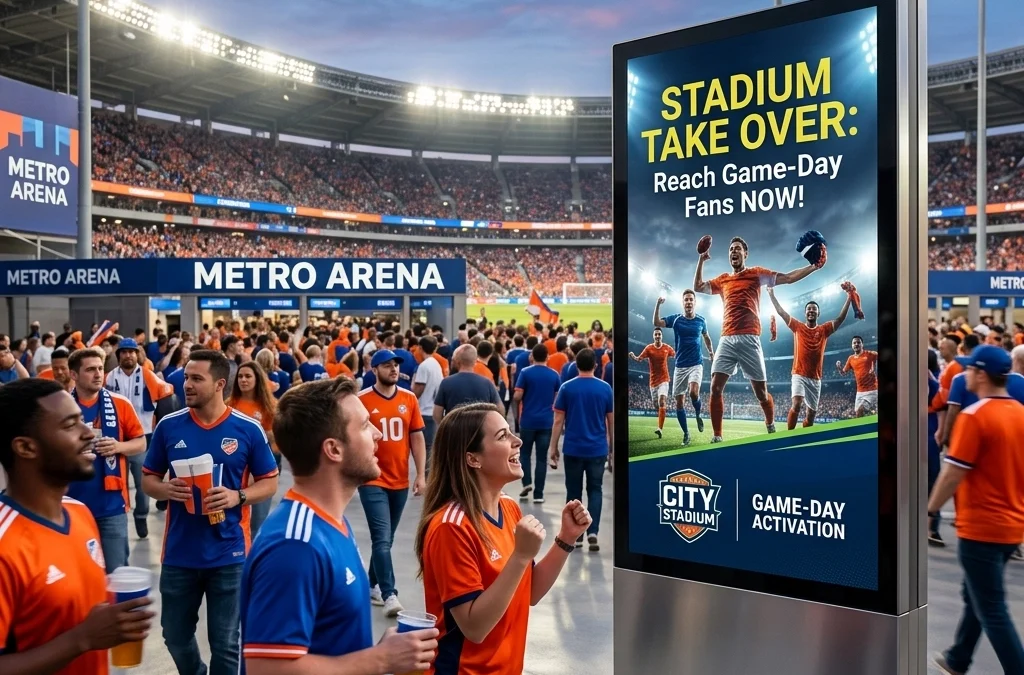
The landscape of sports marketing is undergoing a significant transformation. For decades, reaching game-day fans meant buying expensive stadium signage or television spots that viewers often skipped. However, the rise of Digital Out-of-Home (DOOH) advertising has introduced a new level of precision and engagement. Innovation in this space is not just about moving images on a screen. It is about reaching fans where they live, work, and play, using real-time data to drive results.
As media buyers and brand managers look for ways to break through the noise, sports DOOH offers a path to relevance. By leveraging dynamic creative and programmatic buying, brands can now participate in the fan experience rather than simply interrupting it. This article explores how these innovations are reshaping the industry and why they are essential for any modern sports marketing strategy.
The Shift from Static to Dynamic
Traditional out-of-home advertising relied on printed vinyl and long-term contracts. While effective for broad brand awareness, it lacked the flexibility required for the fast-paced world of sports. The introduction of digital screens changed the game, but the real innovation lies in how those screens are used.
Modern sports DOOH uses dynamic creative optimization to keep messaging fresh. Instead of a single static ad running for a month, screens can now display live scores, social media feeds, and countdowns to kickoff. This creates a sense of urgency and connection. When a fan sees a billboard that reflects the current state of the game they are following, the brand behind that message gains instant credibility.

Mapping the Fan Journey
One of the biggest shifts in sports marketing is the realization that the fan experience starts long before the whistle blows and continues long after the final score is posted. Innovation in DOOH allows brands to map out a complete fan journey across multiple touchpoints.
- The Pre-Game Build-Up: Brands can reach fans during their morning routine. This might include digital screens in residential elevators, office lobbies, or transit hubs as fans prepare for the day.
- The Commute: Strategically placed billboards along major highways and routes to the stadium can build excitement and drive last-minute purchase decisions, such as a stop for beverages or snacks.
- The Viewing Experience: For fans not at the stadium, DOOH screens in sports bars and restaurants provide a direct line of communication during peak engagement hours.
- Post-Game Celebration: Messaging can shift based on the outcome of the game. A winning team might trigger ads for championship merchandise, while a close loss might focus on the next game.
By following the fan through their daily routine, brands stay top-of-mind without being intrusive. This "routine-based strategy" ensures that the brand is part of the lifestyle of the sports fan.
Programmatic DOOH and Precision Targeting
The transition to programmatic DOOH has been a major driver of innovation. Programmatic technology allows media buyers to purchase screen time based on specific triggers and audience data rather than just location. This level of automation brings the precision of digital online advertising to the physical world.
Through platforms like those discussed in the spotlight on StackAdapt DSP, marketers can set parameters that dictate exactly when and where an ad appears. For example, a brand could choose to only display ads when the temperature is above eighty degrees or when a specific team is within five points of their opponent.
This efficiency eliminates wasted spend. Instead of paying for impressions that do not matter, brands can focus their budget on the moments of highest impact. This approach is particularly effective when comparing programmatic DOOH vs traditional stadium ads, as it offers better ROI and more granular measurement.

Real-World Impact and Results
The effectiveness of these innovations is backed by data. Brands that have embraced digital and programmatic sports marketing have seen significant lifts in key performance indicators.
- Purchase Consideration: In a campaign for White Claw, the use of programmatic DOOH drove a 74% lift in purchase consideration. Detailed insights on this success can be found in the White Claw case study.
- Brand Image: AB InBev’s Mike’s Hard Iced Tea saw a 119% lift in positive brand image by utilizing a programmatic approach that met fans where they were most likely to engage with the product. More information is available at Mike's Hard case study.
- First-Time Engagement: Even brands new to the space have seen massive success. Sea-Doo's first digital OOH campaign resulted in a 144% increase in purchase consideration, proving that the medium is accessible and effective for diverse categories. Review the Sea-Doo campaign details.
These results highlight that sports DOOH is not just a tool for awareness. It is a powerful driver of intent and action.
Integrating Specialized Hardware
Innovation is also happening on the hardware side. OOH Sports utilizes specialized technology like Sportrons, which are designed to integrate seamlessly into the sports environment. These screens provide high-visibility platforms that can handle the dynamic content requirements of a modern campaign.
Having the right hardware ensures that the creative vision of the brand is executed flawlessly. Whether it is a high-definition replay or a live data feed, the quality of the display matters. Fans are used to high-quality digital experiences on their phones and TVs. Sports DOOH must meet or exceed those expectations to be effective.

The Strategy for Capture
To successfully capture a share of the growing sports advertising market, brands must adopt specific strategies. With projections suggesting that DOOH sports advertising will hit 50 billion by 2030, the competition for fan attention will only increase.
A successful strategy involves:
- Audience Segmentation: Identifying the specific type of fan that aligns with the brand.
- Contextual Relevance: Ensuring the creative matches the environment and the current state of the game.
- Omnichannel Integration: Linking DOOH efforts with mobile retargeting and social media to create a unified brand experience.
- Data-Driven Optimization: Using real-time results to tweak and improve the campaign while it is still running.
Measurement and ROI
One of the historical complaints about out-of-home advertising was the difficulty of measurement. Innovation in DOOH has largely solved this problem. Through the use of device IDs and location data, brands can now track how many people saw an ad and subsequently visited a retail location or made a purchase online.
This level of attribution is vital for brand managers who need to justify their spend. By analyzing the "exposed" versus "unexposed" groups, marketers can determine the exact brand lift generated by the campaign. This transparency is a key reason why more brands are shifting their budgets toward digital and programmatic OOH options.

Conclusion: The Future is Digital
The way brands reach game-day fans has changed forever. The combination of high-impact digital screens, real-time data, and programmatic efficiency has created a powerful new medium for sports marketing. By moving beyond the stadium walls and engaging fans throughout their entire journey, brands can build deeper connections and drive measurable results.
OOH Sports continues to lead this innovation, providing the tools and expertise necessary to navigate this evolving landscape. For media buyers and brand managers, the message is clear. To win in sports marketing, you must be where the fans are, and you must speak to them in real time.
For more information on how to start a campaign or to view more success stories, visit the OOH Sports blog or check out the about page to learn more about the company's mission in the advertising space. If you are ready to explore your own innovative sports marketing strategy, you can contact the team here.
