
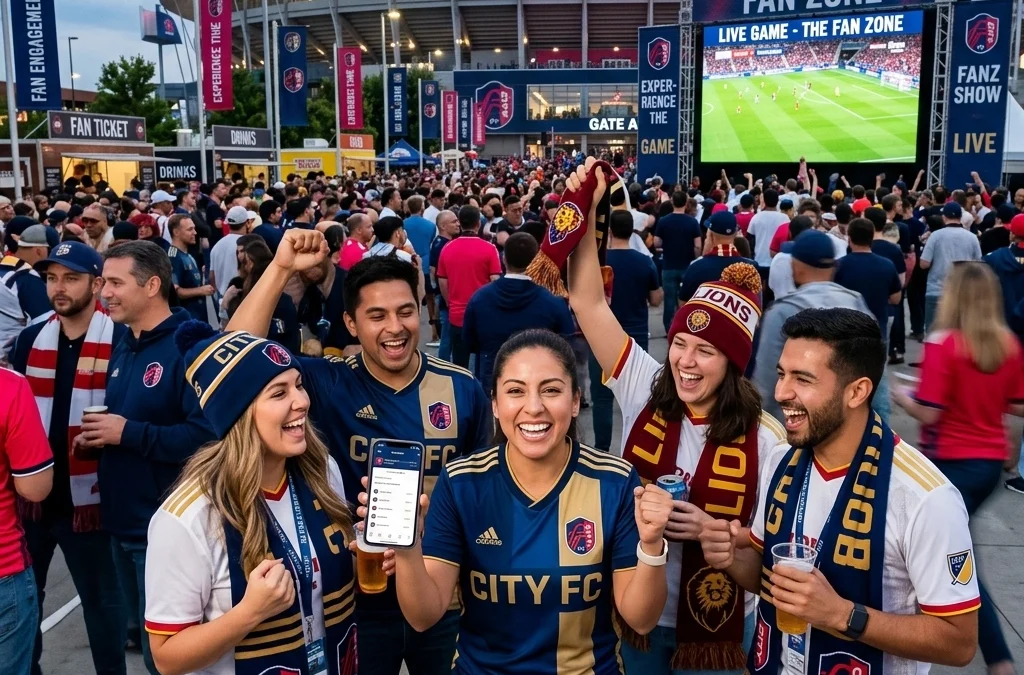
Fan engagement in the modern sports landscape is no longer confined to the four walls of a stadium. While the action on the field remains the primary draw, the experience for the modern fan begins long before the first whistle and continues well after the final buzzer. For Chief Marketing Officers and Creative Directors, this shift represents a massive opportunity to capture attention when fans are at their most receptive.
Succeeding outside the arena requires a strategic blend of physical presence and digital precision. As the industry moves toward a projected 50 billion dollar valuation for sports advertising by 2030, brands must look beyond traditional sponsorships. The focus is now on the fan journey, the perimeter of the venue, and the various touchpoints that define the game-day experience.
The Strategy of Stadium Perimeters
The area immediately surrounding a sports venue is a high-emotion, high-density environment. This is where the fan mindset transitions from daily life to team loyalty. By utilizing stadium perimeter advertising, brands can tap into this heightened emotional state.
Traditional billboards are static, but modern Out-of-Home (OOH) strategies involve dynamic, digital displays that react to the environment. Whether it is a transit hub, a popular tailgating spot, or the main thoroughfare leading to the gates, placement is everything. The objective is to create a seamless brand presence that feels like a natural part of the event rather than an interruption.

Identifying High-Traffic Zones
Success in the perimeter starts with mapping the fan journey. Marketers should identify:
- Major transit hubs and train stations used by fans.
- Popular bars and restaurants within a two-mile radius of the venue.
- Pedestrian pathways leading directly to stadium entrances.
- Parking structures where fans congregate before and after the game.
By placing assets in these locations, a brand ensures multiple impressions during a single outing. This frequency builds brand recall that persists long after the game ends.
Leveraging Programmatic DOOH
Digital Out-of-Home (DOOH) has revolutionized how brands interact with sports fans. Unlike traditional buying methods, programmatic DOOH allows for flexibility, data-driven targeting, and real-time adjustments. This technology enables brands to launch campaigns that are triggered by specific events, such as weather changes, game scores, or time of day.
For instance, a beverage brand might increase its ad frequency on digital screens when the temperature rises above 80 degrees, or a ride-share app might dominate screens in the final quarter of a game to capture fans planning their trip home. This level of relevance is what separates effective engagement from simple background noise.
According to research into programmatic DOOH vs. traditional stadium ads, the ability to optimize in real-time delivers a significantly higher return on investment for sports marketing campaigns.
Creative Best Practices for High-Impact Branding
In the world of OOH, simplicity is the ultimate sophistication. Creative Directors must design for an audience that is often on the move. Whether fans are walking, driving, or riding public transit, the window to capture their attention is narrow.
Visual Hierarchy and Messaging
The most successful OOH creative follows a few basic rules:
- Bold Typography: Use sans-serif fonts that are legible from a distance.
- High Contrast: Ensure the subject matter pops against the background to fight visual clutter.
- Short Copy: Limit text to seven words or fewer. The goal is an immediate gut reaction, not a long-form read.
- Call to Action: If a digital interaction is required, use clear, simple instructions or QR codes that are easy to scan.

Effective branding in the sports space also leverages the colors and energy of the home team without necessarily using official logos, a tactic often seen in successful "ambush" or proximity marketing. For example, Nike’s strategy during the NYC Marathon demonstrated how a brand can dominate the conversation around an event without being an official sponsor, simply by owning the physical space around the course.
Measuring the Lift: Data and ROI
For a CMO, the primary concern is whether the investment in fan engagement translates into measurable results. Modern OOH advertising has moved past the era of "estimated impressions" and into the era of hard data and attribution.
By using mobile device IDs and location data, OOH Sports can track how many people were exposed to an ad and subsequently visited a retail location or made a purchase online. This level of accountability is essential for justifying marketing spend.
Proven Results in the Field
Data from recent campaigns highlights the power of these strategies:
- White Claw: A programmatic digital OOH campaign for their vodka launch resulted in a 74 percent lift in purchase consideration.
- Mike's Hard Iced Tea: This brand saw a 119 percent lift in positive brand image by utilizing a programmatic DOOH campaign targeted at relevant social occasions.
- Sea-Doo: Their first digital OOH campaign led to a 144 percent increase in purchase consideration, proving that even high-ticket recreational items benefit from targeted OOH exposure.
These numbers demonstrate that when a campaign is executed with precision in the right locations, the impact on consumer behavior is substantial.
Bridging the Digital and Physical Gap
The most effective fan engagement strategies do not treat OOH and mobile as separate entities. Instead, they use OOH to drive mobile engagement. A fan sees a large-scale digital screen at a transit hub, which prompts them to engage with an app, enter a contest, or download a coupon.
This omnichannel approach ensures the brand stays with the fan throughout the day. Integration with tools like StackAdapt allows for a unified buying process, where OOH becomes a key pillar of a broader digital strategy.

Gamification and Two-Way Dialogue
Engagement outside the arena should also be interactive. Brands can use digital screens to host live polls, display real-time fan social media posts, or run trivia games that fans can join via their mobile phones. This transforms a passive viewing experience into an active brand interaction. According to industry research, gamification is a key driver for younger demographics, particularly Gen Z and Millennials, who value participation over mere observation.
Maintaining Year-Round Connection
True fan engagement does not end when the season does. An evergreen approach to OOH involves staying present during the off-season to maintain brand salience. This can be achieved through:
- Flashback content on digital screens near training facilities.
- Engagement during major player trades or draft events.
- Community-focused campaigns that highlight the brand's commitment to the local area.
By staying visible year-round, brands ensure that when the next season begins, they are already at the top of the fan's mind.
Conclusion
Succeeding in fan engagement outside the arena is a matter of being in the right place at the right time with the right message. For brands like OOH Sports, the goal is to provide the infrastructure and expertise necessary to make these connections happen. By leveraging the power of programmatic DOOH, focusing on high-impact creative, and utilizing data for clear attribution, CMOs can drive significant brand lift and purchase consideration.
The arena might be where the game is played, but the perimeter is where the brand loyalty is built. Whether it is through a massive Sportron display or a network of strategically placed digital screens, the opportunity to engage fans is limitless for those willing to look outside the arena.

For more information on how to elevate your next campaign, visit the OOH Sports blog or explore our case studies to see these strategies in action.