
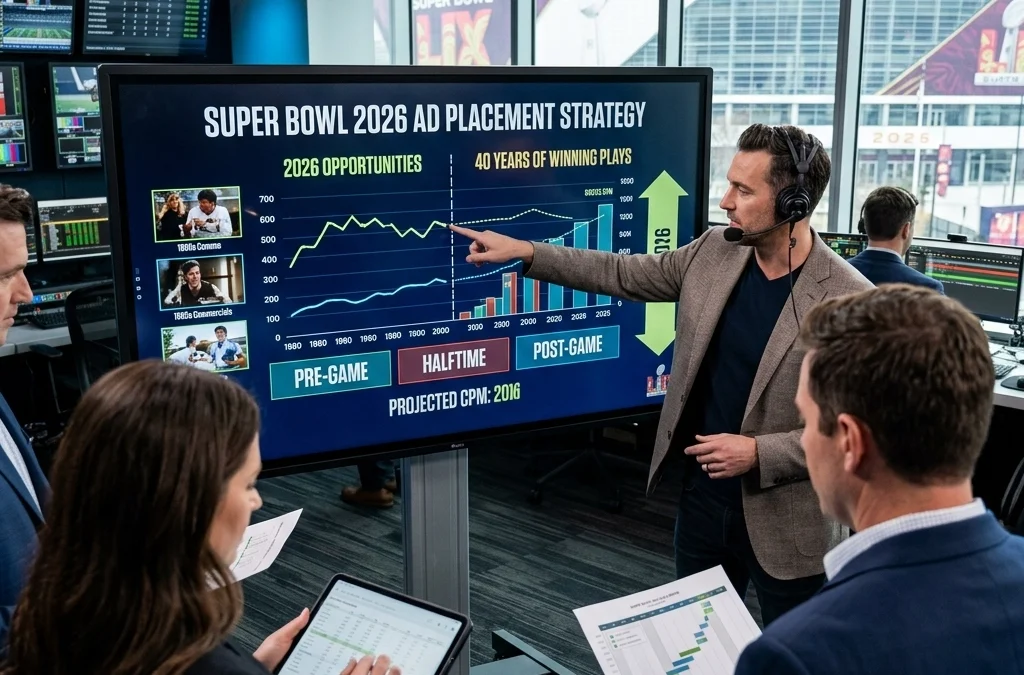
The conclusion of Super Bowl LX in 2026 has provided a massive amount of data for marketers to analyze. Choosing the right ad placement for the biggest sporting event of the year is no longer just about buying a 30 second television spot. It involves a sophisticated blend of traditional visibility and modern digital out of home (DOOH) technology. With 40 years of advertising leadership as a benchmark, the strategies used in 2026 showed a significant shift toward venue wide coverage.
Success in the current landscape requires understanding how to dominate the physical space of the stadium, from the floors to the high rise billboards. This post explores how the most successful brands selected their placements and how those choices compare to decades of winning plays.
The Evolution of the Super Bowl Playbook
Forty years ago, the goal was simple. A brand wanted one high impact television commercial that everyone would talk about at the water cooler the next morning. While the "water cooler effect" still exists via social media, the physical environment of the Super Bowl has become a massive canvas for brands. The 2026 season proved that the most effective campaigns were those that integrated themselves into the fan journey.
Historical data from the last four decades suggests that single point advertising is becoming less effective than omnichannel approaches. In 2026, the brands that saw the highest engagement did not just run a TV ad. They occupied the stadium perimeter, the entry gates, and even the digital floor displays. This venue wide coverage ensures that a brand is not just a commercial break but a part of the event atmosphere.

Venue Wide Coverage: From Floors to Billboards
The 2026 Super Bowl featured a level of technological integration never seen before. Modern stadiums now offer digital floor graphics and high resolution LED wraps that can change in real time. For brands looking to maximize their presence, choosing these placements is critical.
- Digital Floor Placements: These are highly effective for capturing the attention of fans in attendance. They provide a unique perspective that traditional billboards cannot match.
- Stadium Perimeter Ads: These placements target the millions of people watching the broadcast while also engaging the live crowd. They provide a constant brand presence throughout the game.
- High Rise Billboards: Outside the stadium, large scale billboards capture the city wide buzz and the influx of tourists.
Strategic placement in these areas allows brands to scale their message without the massive price tag of a primary broadcast sponsorship. In fact, many brands are now asking if 2 million dollar stadium sponsorships are dead because they can achieve similar or better results with targeted perimeter DOOH.
The Role of Programmatic DOOH in 2026
One of the biggest shifts in 2026 was the heavy use of programmatic digital out of home advertising. This technology allows brands to buy ad space in real time based on specific triggers such as game scores, weather, or crowd sentiment.
Unlike traditional static ads, programmatic DOOH offers flexibility. If a specific player makes a record breaking play, an advertiser can update their creative across thousands of screens within minutes. This real time capability was a game changer during Super Bowl LX. Brands used this to stay relevant to the unfolding narrative of the game.

Analyzing the Winners: AI and Pharmaceuticals
The search data from the 2026 game shows that specific categories dominated the conversation. AI platform ads generated the highest engagement levels, with some brands achieving over 9 times the median engagement level. Close behind were pharmaceutical ads, particularly for GLP-1 medications, which saw nearly 4 times the median engagement.
These brands did not just rely on flashy creative. They selected placements that matched the high tech nature of their products. By using AI powered DOOH, these companies were able to measure exactly who saw their ads and how those viewers responded. This data driven approach is a far cry from the guesswork of advertising in the 1980s or 90s.
Strategy: How to Choose Your Placement
Choosing the best placement involves more than just picking a high traffic area. It requires a deep dive into fan behavior.
- Identify High Traffic Nodes: Entryways, concessions, and restrooms are high dwell time areas where fans are more likely to notice digital screens.
- Leverage Real Time Data: Use programmatic platforms to adjust messaging based on the game's momentum.
- Balance Traditional and Digital: While DOOH is growing, traditional billboards still provide the scale and stature needed for a Super Bowl presence.
Research shows that geographic targeting in DOOH can boost fan engagement by up to 90 percent. For the 2026 Super Bowl, brands that focused their spend on the host city and the immediate stadium vicinity saw the best ROI.
Lessons from 40 Years of Advertising Leadership
Looking back at 40 years of Super Bowl winning plays, a clear pattern emerges. The most memorable ads are those that create a connection. In the past, that connection was purely emotional or humorous. Today, it is also functional.
A brand that provides a real time score update on a digital billboard or offers a mobile promotion via a stadium screen is providing value. This value translates into purchase consideration. For example, previous campaigns for brands like Sea-Doo saw purchase consideration increase by 144 percent through effective DOOH strategies.
https://www.youtube.com/watch?v=l6J-0zileKE
Measurement and ROI in the Modern Era
The biggest challenge with Super Bowl advertising has always been proving the ROI. With 30 second spots costing millions, brands need to know the investment was worth it. In 2026, the industry moved toward AI powered analytics to solve this problem.
Instead of relying on broad estimates of how many people were watching, marketers now use device ID data and exposure metrics. This allows them to track a fan from the moment they see a billboard outside the stadium to the moment they make a purchase on their phone. This level of granularity was unthinkable 40 years ago, but it is now the standard for high stakes sports marketing.

The Future of Stadium Advertising
As we look toward Super Bowl 2027 and beyond, the trend toward venue wide digital integration will only accelerate. The distinction between "online" and "offline" advertising is disappearing. A billboard is no longer just a sign. It is a data point in a larger omnichannel campaign.
Brands that want to lead in this space must be willing to experiment with new placements. Whether it is the floor of the concourse or an augmented reality overlay on a stadium screen, the options are expanding. The key is to stay focused on the fan experience.
Final Thoughts on Ad Placements
Choosing the best Super Bowl ad placement requires a mix of historical wisdom and modern technology. By studying the last 40 years, we know that visibility is king. By using today's tools, we know that relevance is queen.
The 2026 game proved that the brands that win are those that surround the fan. They are on the TV at the bar, the billboard on the highway, and the digital screen at the stadium gate. This comprehensive approach ensures that no matter where the fan looks, the brand is there.
For those looking to capture their share of the growing sports advertising market, which is expected to hit 50 billion dollars by 2030, the time to plan for the next big game is now. Whether it is through programmatic DOOH or massive physical installations, the stadium is the ultimate stage for brand storytelling.