
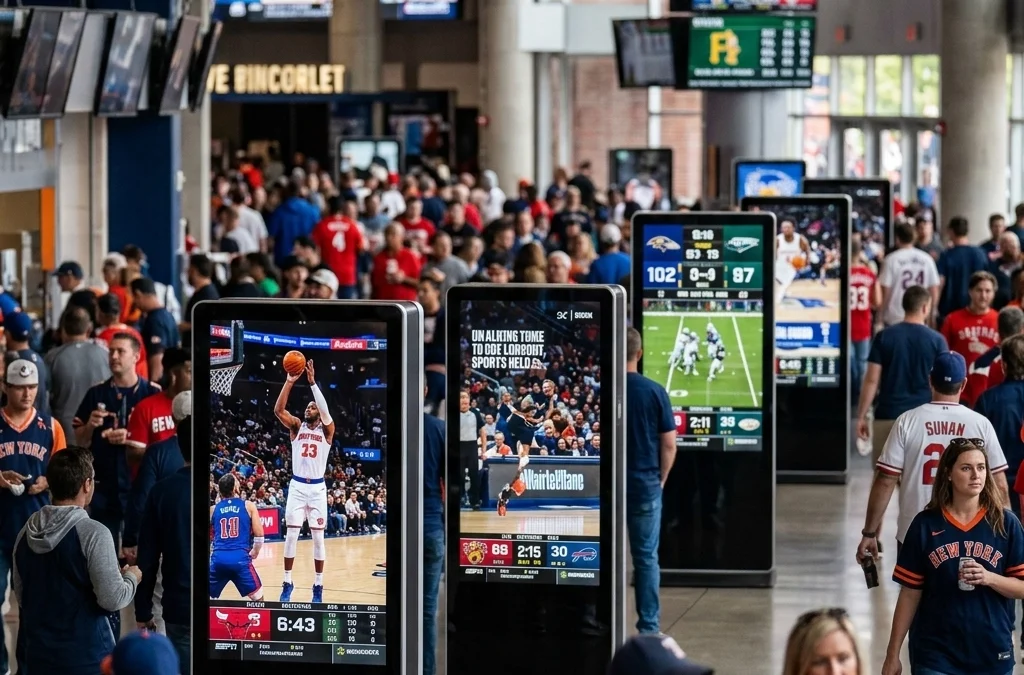
The landscape of sports marketing is undergoing a significant transformation as traditional advertising methods make way for dynamic, data-driven solutions. OOH Sports has reached a major milestone in this evolution by expanding its network to include more than 25,000 digital screens nationwide. This expansion offers media buyers and brands an unprecedented opportunity to engage with sports fans in high-traffic environments.
This guide provides a comprehensive overview of the OOH Sports network, detailing the strategies, technology, and measurement tools necessary for brands to maximize their impact in the digital out-of-home (DOOH) space.
Network Expansion and Strategic Reach
The OOH Sports network is designed to capture the attention of fans where they live, play, and travel. By securing over 25,000 digital screens, the platform ensures that messaging is present throughout the entire fan journey. This network includes placements in sports bars, fitness centers, transit hubs, and retail locations situated near major sporting venues.
The primary objective of this expansion is to bridge the gap between digital convenience and physical presence. Traditional stadium sponsorships often limit a brand to the confines of the arena. In contrast, the OOH Sports network utilizes a hyper-localized approach, targeting audiences within a three-mile radius of stadium perimeters. This ensures that the brand remains top of mind before, during, and after the event.

Objective and Strategy: The Power of Hyper-Localization
Success in the OOH Sports network is built on the foundation of geographic targeting. By focusing on specific zones surrounding sports venues, brands can reach a highly concentrated group of consumers who are already in a heightened state of emotional engagement.
Key Strategies for Success
- Proximity Targeting: Placing advertisements on screens within walking or short driving distance of a stadium ensures high frequency and relevance.
- Game-Day Synchronization: Aligning creative assets with specific game times allows brands to capitalize on the peak excitement of the crowd.
- Contextual Relevance: Tailoring the message to the specific sport or local team helps build a deeper connection with the community. For example, a campaign in New York City might focus on the unique energy of local fans to drive higher engagement, as seen in various NYC holiday shopping strategies.

Technology Partners and Programmatic Capabilities
The OOH Sports network leverages advanced programmatic technology to provide media buyers with flexibility and control. Through partnerships with leading demand-side platforms (DSPs), such as the StackAdapt DSP, the network allows for real-time bidding and automated campaign execution.
Programmatic Benefits
The shift toward programmatic DOOH enables brands to treat outdoor screens with the same precision as online display ads. This technology supports:
- Dynamic Creative Optimization (DCO): Changing the ad content in real-time based on external triggers like weather, time of day, or live game scores.
- Efficient Budget Allocation: Shifting spend toward the high-performing screens or times of day to ensure maximum return on investment.
- Rapid Deployment: Campaigns can be launched or modified in under 24 hours, which is essential for brands looking to respond to breaking sports news or betting odds. More information on this can be found in the guide to launching real-time betting campaigns.
Measurable Results: Data-Driven Proof of Success
One of the most significant advantages of the OOH Sports network is the ability to measure impact through rigorous analytics. The era of guessing the effectiveness of a billboard is over. Today, the network uses a combination of device ID tracking, brand lift studies, and purchase data to quantify success.
Case Study Highlights
The effectiveness of the network is demonstrated by several recent high-profile campaigns:
- White Claw: A campaign focusing on a vodka launch saw a 74% lift in purchase consideration. Detailed insights on this campaign are available in the White Claw case study.
- AB InBev (Mike’s Hard Iced Tea): This programmatic DOOH campaign resulted in a 119% lift in positive brand image. The full breakdown can be viewed at this link.
- Sea-Doo: By targeting specific outdoor and sports-minded demographics, Sea-Doo achieved a 144% increase in purchase consideration. The methodology is outlined in the Sea-Doo campaign analysis.

Future Outlook: The $50 Billion Opportunity
Industry projections suggest that sports-related digital advertising is on a massive growth trajectory. Estimates indicate that DOOH sports advertising will hit $50 billion by 2030. This growth is driven by the increasing number of media planners shifting their budgets away from traditional static displays toward digital alternatives.
As more advertisers recognize the limitations of traditional stadium ads, the focus has shifted toward omnichannel strategies that include DOOH as a central pillar. The ability to reach a captive audience without being an official sponsor is a major draw for many brands. This was exemplified by Nike’s presence during the NYC Marathon, where the brand successfully engaged fans through strategic outdoor placements despite not holding official sponsorship status.
Avoiding Common Mistakes in Sports DOOH
While the opportunities are vast, executing a successful campaign requires attention to detail. Many advertisers fall into the trap of treating DOOH screens like television or social media. To succeed within the OOH Sports network, brands must avoid several common pitfalls:
- Over-complicating Visuals: Screens are often viewed by people on the move. Simple, bold creative with a clear call to action performs best.
- Ignoring Measurement: Failing to use AI-powered analytics to track campaign performance often leads to wasted spend. Strategic measurement is key to proving success, as noted in the guide to AI-powered DOOH analytics.
- Static Messaging: Fans are interested in the live moment. Using static creative throughout an entire season misses the opportunity to engage with the current narrative of the sport.
- Poor Targeting: Casting too wide a net can dilute the impact of the budget. Stadium perimeter targeting ensures that every impression counts.

Execution Logistics and Implementation
The process of launching a campaign on the OOH Sports network is streamlined to accommodate the fast-paced nature of the advertising industry.
Step 1: Objective Definition
Media buyers must first determine whether the primary goal is brand awareness, purchase consideration, or foot traffic. This decision dictates the choice of screen locations and the type of creative assets required.
Step 2: Site Selection and Inventory
With access to 25,000 screens, the selection process is highly filtered. Brands can choose screens based on specific sports venues, zip codes, or even the type of venue (e.g., sports bars vs. transit centers).
Step 3: Creative Integration
Assets are uploaded to the platform where they are optimized for various screen formats. If programmatic triggers are being used, the logic for those triggers is established at this stage.
Step 4: Monitoring and Optimization
Once the campaign is live, the platform provides real-time data. If certain locations are underperforming, the budget can be reallocated instantly to ensure the best possible ROI.

Conclusion: The New Standard for Sports Advertising
The expansion of the OOH Sports network to over 25,000 screens marks a significant milestone for the industry. By combining the massive reach of physical displays with the precision of digital targeting, the network offers a powerful solution for brands looking to connect with fans in a meaningful way.
As the market continues to evolve toward a more data-centric model, the importance of hyper-localization and programmatic flexibility will only grow. Brands that embrace these tools today will be well-positioned to capture their share of the expanding sports advertising market. For more information on navigating the network, visit the OOH Sports sitemap to explore all available resources and case studies.