
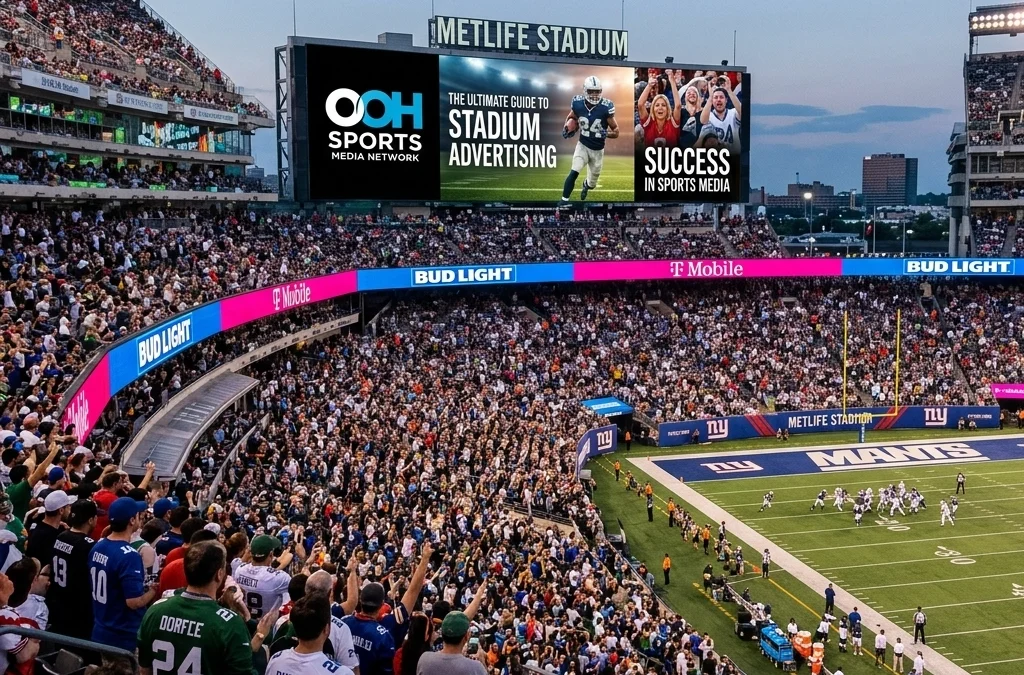
The landscape of sports marketing is undergoing a significant transformation. As traditional media channels face increasing fragmentation, the stadium environment remains one of the few places where a massive, captive audience gathers with a shared focus. OOH Sports is announcing a major expansion of its media network, solidifying its position as a primary provider of high impact Digital Out-of-Home (DOOH) solutions. This growth milestone offers media buyers and brands unprecedented access to premier sporting venues and high energy fan demographics across a massive national footprint.
Strategic Expansion of the OOH Sports Network
The expansion of the OOH Sports network is driven by the increasing demand for real time, data driven engagement in physical spaces. By integrating advanced display technologies into major arenas and stadiums, the network now covers a diverse array of professional and collegiate venues. This growth allows brands to execute hyper local campaigns or broad national takeovers with a level of precision previously unavailable in stadium advertising.
The core objective of this expansion is to bridge the gap between digital convenience and physical presence. As sports fans return to venues in record numbers, the opportunity for brands to associate with the emotional highs of live sports has never been greater. The network provides a seamless platform for delivering messaging that resonates with fans during peak moments of excitement.

Technological Innovation: The Power of Sportrons
A central feature of the OOH Sports growth strategy is the deployment of Sportrons. These high definition digital displays are specifically engineered for the unique lighting and viewing conditions of sports environments. Unlike standard digital billboards, Sportrons offer the clarity and refresh rates necessary to compete with the fast paced action on the field or court.
The technology behind these displays allows for:
- Dynamic content updates based on live game triggers.
- High contrast ratios that ensure visibility even under stadium floodlights.
- Programmable scheduling for multi brand rotations.
- Seamless integration with programmatic buying platforms.
This technological backbone ensures that advertisements are not just seen, but are experienced as a natural part of the event atmosphere. For more technical details on how these systems operate, the about page provides a comprehensive overview of the company infrastructure.
Maximizing Impact with Perimeter Branding
One of the most effective tactics within the sports media network is perimeter branding. This involves placing high visibility displays around the field of play, ensuring that the brand remains within the primary line of sight for both in person attendees and television viewers.
Strategic placement of perimeter boards captures continuous attention throughout the duration of the match. For a deeper dive into how this placement wins over fans, the ultimate guide to stadium perimeter branding outlines the specific psychological and logistical advantages of this format. The key is to maintain a presence where the action happens, turning every play into a potential brand impression.
Programmatic DOOH vs. Traditional Sponsorships
The growth of the OOH Sports network also marks a shift toward programmatic DOOH (pDOOH). Historically, stadium advertising was locked behind long term, rigid sponsorship contracts. The modern network model introduces flexibility and efficiency through programmatic buying.
Recent data indicates that programmatic approaches often deliver a better Return on Investment (ROI) compared to traditional fixed sponsorships. This is due to the ability to target specific game times, audience segments, and even weather conditions. Analyzing the ROI of programmatic DOOH versus traditional stadium ads reveals that brands can achieve higher levels of efficiency by paying only for the impressions that matter most to their campaign goals.

Design Best Practices for Stadium Environments
Success in stadium advertising requires more than just securing a placement. The creative execution must be optimized for the medium. High level media buyers often utilize specific design secrets to ensure their messaging cuts through the noise of a crowded venue.
Key design principles for the OOH Sports network include:
- High Contrast Color Palettes: Use dark backgrounds with bright text (white or yellow) to maximize legibility.
- Simplified Messaging: Fans have limited time to digest text while following a game. Keep copy to a minimum.
- Bold Typography: Large, sans serif fonts are essential for readability from a distance.
- Motion Control: While digital displays allow for animation, subtle motion is often more effective than jarring movements that might distract from the game itself.
For more insights into the strategies used by top tier advertisers, consult the article on DOOH industry secrets revealed.

Understanding the Fan Journey and Audience Behavior
A successful campaign within the OOH Sports network considers the entire fan journey, from the moment they approach the stadium to the final whistle. The network offers multiple touchpoints:
- Concourse Signage: Reaches fans during breaks and transitions.
- LED Video Walls: High impact visuals during pre game and halftime shows.
- Scoreboard Integrations: Alignment with the most looked at asset in the stadium.
- Exit Displays: Final brand impressions as fans leave the venue.
Mapping these touchpoints allows media buyers to create a narrative that follows the fan. By understanding when fans are most receptive, brands can tailor their message. For instance, food and beverage ads perform exceptionally well in concourse areas, while lifestyle and apparel brands see high engagement on perimeter displays during active play.
Data, Analytics, and Measurement
The OOH Sports expansion includes enhanced measurement capabilities. The network leverages location based data and device ID exposure to provide advertisers with concrete results. This data centric approach moves stadium advertising from a "reach and frequency" model to an attribution model.
Advertisers can now track:
- Verified Impressions: Actual eyes on the screen based on crowd density and sightlines.
- Brand Lift: Measurements of how stadium exposure changes consumer perception.
- Conversion Attribution: Linking stadium ad exposure to digital actions or retail visits.
Using these metrics, OOH Sports provides a transparent view of campaign performance, allowing for optimization in real time. This level of accountability is what high level media buyers expect in a modern advertising ecosystem.

The Value of Ambient Association
There is a unique power in being "present" at a major cultural event. This is often referred to as ambient association or "ambush" style marketing, where a brand becomes synonymous with an event even without being an official league sponsor. A classic example is how certain brands have successfully integrated into major marathons or championships through strategic OOH placements. Examining how Nike utilized non official sponsorship strategies provides a blueprint for how the OOH Sports network can be used to dominate the visual landscape of a city or venue.
Conclusion: The Future of Stadium Advertising
The expansion of the OOH Sports media network represents a new era for stadium advertising. By combining the massive scale of traditional venues with the precision of modern DOOH technology, the network offers an unparalleled platform for brand growth. Whether a brand is looking to launch a new product or maintain market dominance, the ability to connect with fans in their most passionate moments is a significant competitive advantage.
As the network continues to grow, the focus remains on delivering simple, effective, and high impact advertising solutions. For those looking to explore current opportunities or view specific venue availability, the contact page is the primary point of entry for new partnerships.

For more information on the evolving world of sports marketing and outdoor advertising, visit the OOH Sports blog for regular updates and strategic deep dives.