
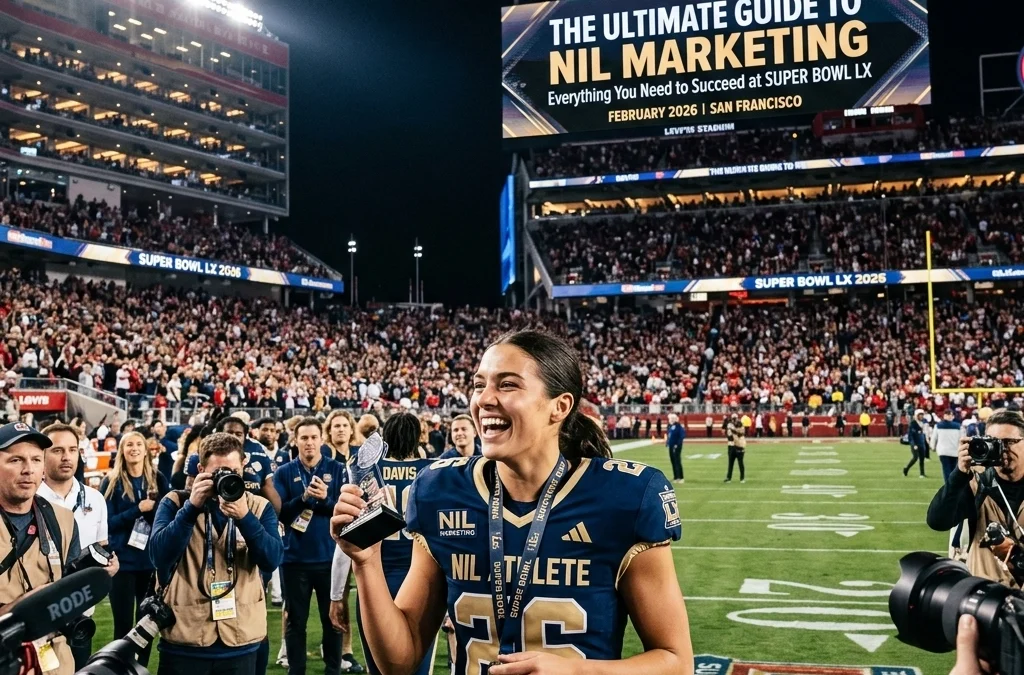
Super Bowl LX, which took place in February 2026, represented a monumental shift in how brands approach the biggest stage in sports. The traditional model of relying solely on expensive celebrity endorsements and 30 second television spots evolved into a multi faceted ecosystem. At the center of this evolution was the Name, Image, and Likeness (NIL) movement. For media buyers and brands, the ability to tap into the voices of student athletes became the deciding factor for campaign success.
The current marketing landscape emphasizes authenticity and localized engagement. OOH Sports has positioned itself at the forefront of this shift by providing a platform that connects advertisers with over 20,000 authentic student athlete voices. These athletes offer more than just a social media post. They provide a direct line to niche communities, loyal fan bases, and a demographic that prioritizes genuine connection over high production corporate messaging.
The NIL Revolution at Super Bowl 2026
NIL marketing has moved from a experimental budget line item to a primary pillar of sports advertising. In 2026, brands realized that while a professional athlete might have millions of followers, a collegiate athlete often possesses a higher engagement rate and a more concentrated influence within specific geographic markets. This is particularly relevant for the Super Bowl, where national reach must be balanced with local impact.
The strategy for Super Bowl 2026 focused on leveraging these athletes to create a continuous narrative rather than a single moment of exposure. By utilizing the OOH Sports platform, brands successfully coordinated massive campaigns that synchronized digital social content with physical advertising assets. This holistic approach ensured that the brand message was omnipresent during the weeks leading up to the game, throughout game day, and in the post game analysis period.
Objective and Strategy: The Three Phase Approach
Success at an event as massive as the Super Bowl requires a structured timeline. Media buyers who saw the highest ROI in 2026 followed a three phase strategy that utilized NIL athletes as the primary drivers of engagement.
Phase 1: The Pre Game Hype (January 15 to February 7)
The goal during this phase is to build awareness and establish a narrative. Brands partnered with student athletes to generate "hype" content. This included behind the scenes looks at training, game day preparations, and personal stories related to their own football journeys.
During this period, the use of AI powered creator discovery tools allowed brands to identify athletes whose personal brand aligned perfectly with the corporate identity. This was not about finding the player with the most followers. It was about finding the player whose audience matched the target consumer profile. For example, a sports drink brand might focus on endurance athletes, while a lifestyle brand might partner with athletes known for their fashion sense.
Phase 2: Game Day Real Time Amplification (February 8)
On the day of Super Bowl LX, NIL athletes functioned as real time amplification channels. As viral moments occurred on the field or during the halftime show, these athletes reacted in real time, sharing content that felt unscripted and immediate. This "Digital War Room" approach allowed brands to be part of the conversation as it happened.
The integration of Digital Out of Home (DOOH) advertising played a significant role here. By using Sportrons, brands displayed real time social content from NIL athletes on digital screens in high traffic areas. This created a bridge between the digital world and the physical environment, capturing the attention of fans who were out at viewing parties or traveling.

Phase 3: Post Game Saturation (February 9 to February 15)
The week following the Super Bowl is often a missed opportunity for many advertisers. However, successful campaigns in 2026 used this time for aggressive retargeting. Athletes shared recaps, highlight reels, and "thank you" messages to their fans, often including direct calls to action for the brands they represented. This phase converted the high engagement of game day into measurable business outcomes, such as sales and lead generation.
The Power of 20,000 Authentic Voices
The scale of the OOH Sports network is a significant advantage for media buyers. With over 20,000 student athletes available, brands can execute hyper local campaigns across the country simultaneously. This is a level of scale that was previously impossible to manage manually.
The platform simplifies the process of managing thousands of individual contracts and content pieces. This allows brands to focus on the creative strategy while the platform handles the logistics of execution. For a deep dive into how these campaigns are structured, the following video provides an overview of the NIL landscape and the opportunities it presents for modern advertisers.
https://www.youtube.com/watch?v=l6J-0zileKE
Technology and Audience Alignment
The success of NIL marketing at Super Bowl 2026 was driven by data. It is no longer enough to simply hope that an athlete's followers will be interested in a product. Brands now use sophisticated analytics to map the full customer journey.
AI discovery tools analyze geographic data, psychographic profiles, and behavioral patterns to ensure a perfect match. If a brand wants to reach college students in the Midwest who are interested in outdoor recreation, the platform can filter for athletes who fit that exact criteria. This precision reduces wasted spend and increases the efficiency of the marketing budget.
Detailed information on these marketing strategies can be found at the OOH Sports Marketing page.
Measuring Results and ROI
Data from the 2026 season shows that NIL integrated campaigns consistently outperformed traditional celebrity endorsements in terms of engagement and brand lift. For instance, campaigns that paired NIL social content with DOOH advertising saw a significant increase in purchase consideration.
Similar results were observed in previous years. A case study on White Claw demonstrated a 74 percent lift in purchase consideration through programmatic DOOH. Additionally, AB InBev saw a 119 percent lift in positive brand image. These metrics prove that the combination of authentic voices and high visibility digital screens is a winning formula.

The Synergy of NIL and DOOH
One of the most effective tactics at Super Bowl 2026 was the use of "omnichannel" campaigns. This involves reaching the consumer at multiple touchpoints throughout their day. A fan might see a TikTok from a student athlete in the morning, pass a digital billboard featuring that same athlete while driving to a watch party, and then see a sponsored post on Instagram during halftime.
This repetition builds trust and keeps the brand top of mind. By 2030, sports advertising is expected to hit 50 billion dollars, as noted in this industry report. Brands that master the integration of NIL and DOOH now will be the ones that capture the largest share of that market.
Strategic Execution: Best Practices for Media Buyers
To replicate the success of the 2026 Super Bowl campaigns, media buyers should follow several key principles:
- Prioritize Authenticity: Allow athletes to create content in their own voice. Overly scripted or "corporate" content performs poorly on social platforms.
- Focus on Community: Target athletes who have a deep connection to specific regions or university fan bases.
- Integrate Physical and Digital: Use DOOH to reinforce the messages being shared by athletes online.
- Track Everything: Utilize the measurement tools provided by the OOH Sports platform to monitor brand lift, foot traffic, and conversion rates in real time.
- Plan for the Long Term: Move away from one off posts. Structure campaigns that span several weeks to build a lasting narrative.
For brands looking to start their NIL journey, the OOH Sports Contact page provides a direct line to experts who can help build a customized strategy.

The Future of NIL Marketing
As we move past the 2026 Super Bowl, it is clear that the influence of student athletes will only continue to grow. The barrier to entry for these campaigns has been lowered by platforms that handle the complexities of the NIL market, making it accessible for brands of all sizes.
The lessons learned from Super Bowl LX show that the most successful advertisers are those who embrace technology, value authenticity, and understand the power of a coordinated, multi channel approach. Whether it is through a viral video or a high impact display on a Sportron, the goal remains the same: to connect with the fan in a way that is meaningful and memorable.
To explore more about how these strategies can be applied to various sports and events, check out the OOH Sports Blog for the latest updates and industry insights. For those interested in the formal aspects of advertising partnerships, the Terms of Service and Company Policies provide a comprehensive overview of how OOH Sports operates.
The ultimate guide to NIL success is not just about the technology used, but about the people behind the content. By empowering 20,000 student athletes to tell their stories, OOH Sports is helping brands write the next chapter in sports marketing history.