
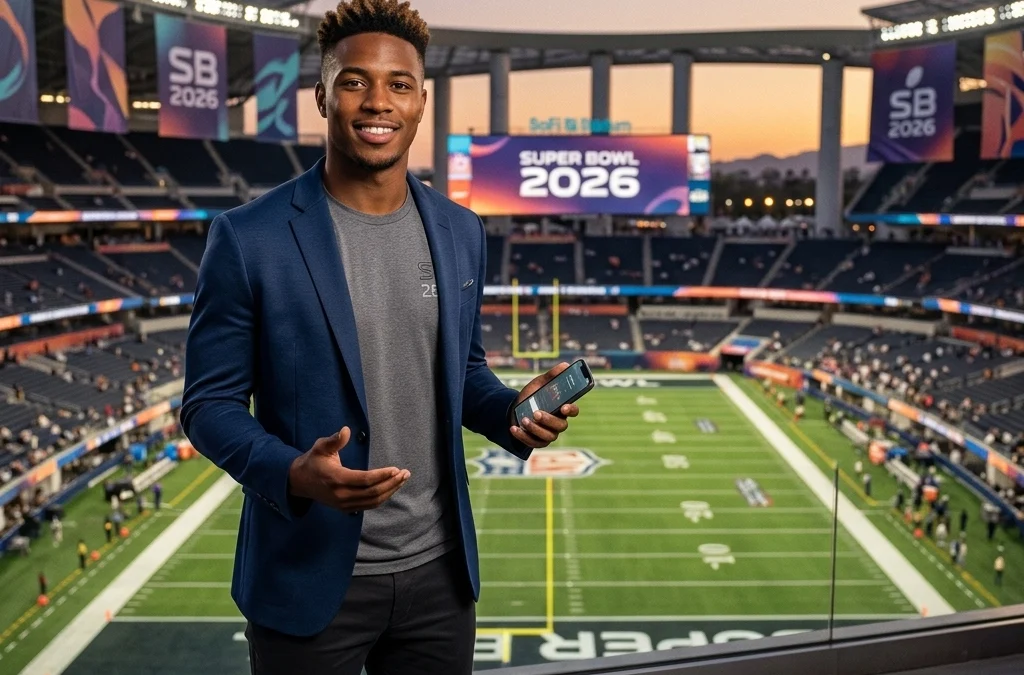
The 2026 sports calendar represents a unique moment in advertising history. Between the Winter Olympics, the FIFA World Cup, and Super Bowl LX, media buyers face a crowded and expensive landscape. Traditional television spots for the Super Bowl have reached record price points, often exceeding 8 million dollars for a 30 second window. Because of these rising costs, brands are shifting focus toward more efficient and authentic channels. The Name, Image, and Likeness (NIL) sector has emerged as the most effective way to capture attention during these high stakes events.
This guide examines the strategy behind successful NIL campaigns and how the OOH Sports platform connects brands with over 20,000 student-athlete voices to drive measurable results.
The Strategic Evolution of Sports Marketing
The advertising world has moved past the era of manual NIL deals and unorganized outreach. In 2026, Name, Image, and Likeness is a mature ecosystem supported by enterprise level infrastructure. Media buyers no longer rely on single celebrity endorsements that carry high risk and high costs. Instead, the focus has shifted to "crowd sourced" influence.
By leveraging a network of thousands of athletes, a brand can create a surround sound effect. When hundreds of athletes post about a brand simultaneously, it creates a level of social proof that a single television commercial cannot replicate. This strategy is particularly effective for the Super Bowl, where the "second screen" experience is dominant. Most viewers are scrolling through social media while watching the game, making the digital feed the primary battleground for attention.
Accessing 20,000 Student-Athlete Voices
The OOH Sports NIL platform provides a centralized hub for reaching a massive roster of talent. With over 20,000 authentic student-athlete voices available, brands can scale their messaging across different regions, sports, and demographics. This level of scale allows for hyper-targeted campaigns. For instance, a brand can activate athletes specifically in the home markets of the two competing Super Bowl teams or focus on athletes with high engagement in specific niche categories like fitness, tech, or CPG.
Authenticity is the core value of this approach. Student-athletes are viewed as peers by their followers. Their endorsements feel like personal recommendations rather than corporate advertisements. This trust translates into higher engagement rates and better conversion metrics. Utilizing the OOH Sports marketing tools ensures that these connections are made efficiently and transparently.
The Three-Phase Execution Model
Success during the Super Bowl window requires a multi week strategy. A single post on game day is rarely enough to drive long term growth. The most effective campaigns follow a three-phase model: pre-game narrative, game day activation, and post-game conversion.
Phase 1: Pre-Game Narrative Build
The goal of the first phase is to build "narrative equity." This phase typically begins during the playoffs and continues through the week leading up to the Big Game. By signing athletes from contending teams or influential college stars, brands can embed themselves in the sports conversation before the peak noise of Super Bowl Sunday.
Content in this phase often includes:
- Behind the scenes training footage.
- "Road to the Championship" stories.
- Natural product integration in daily routines.
- Early bird offers and countdowns.
This phase is about frequency and reach. It ensures that by the time kickoff happens, the audience is already familiar with the brand's presence in the sports world.

Phase 2: Game Day Real-Time Activation
Game day is about speed and reaction. Leading brands set up an "NIL War Room" to coordinate real-time responses to the events on the field. If a controversial call occurs or a spectacular touchdown happens, the athlete roster can immediately "stitch" or react to the moment on TikTok and Instagram.
The OOH Sports platform allows for rapid deployment of content templates. Athletes can be prompted to share specific reactions or use trackable links during high traffic windows like halftime or the final two minutes of the game. This turns live moments into immediate site traffic. The data suggests that these real-time interactions often result in a much lower Cost Per Acquisition (CPA) compared to traditional digital banners.
Phase 3: Post-Game Conversion Peak
Many brands make the mistake of stopping their campaign as soon as the trophy is lifted. However, the days following the Super Bowl are critical for converting lingering emotional energy into loyal customers. Athletes can share victory celebrations or "day after" recovery routines.
This is the time to push limited time discounts and retargeting ads. Since the audience has already been exposed to the brand through the athletes in Phase 1 and 2, the conversion rates in Phase 3 are typically much higher. Highlighting a case study from previous campaigns shows that the "emotional hangover" period is often the most profitable window for brands that maintain their presence.
Technical Execution and Compliance
Managing 20,000 athletes requires more than just a contact list. It requires a robust technical framework. The OOH Sports platform handles the logistics that used to make NIL campaigns a headache for media buyers. This includes automated contract templates, tax documentation, and performance tracking.
Compliance is another major factor in 2026. Regulations regarding student-athlete compensation are strict and vary by state. The platform ensures that all deals are reported correctly and that athletes remain eligible. This protection is vital for brands that want to avoid the PR risks associated with compliance violations.
https://www.youtube.com/watch?v=l6J-0zileKE
Measuring ROI and Proving the Investment
For media buyers, the most important part of any guide is the bottom line. NIL campaigns are no longer measured by "likes" alone. The industry has moved toward hard metrics like return on ad spend (ROAS) and lifetime value (LTV).
Each athlete in the OOH Sports network can be assigned unique tracking links and promo codes. This allows brands to see exactly which athletes and which types of content are driving the most revenue. In many cases, a "micro influencer" athlete with 10,000 highly engaged fans will outperform a major celebrity with millions of passive followers.
Recent data on programmatic digital out-of-home and NIL integrations shows that omnichannel approaches can lead to a significant lift in purchase consideration. For example, some campaigns have seen a 119 percent lift in positive brand image when combining physical advertising with digital athlete voices. Detailed results of similar strategies can be found in our blog section.

Scaling Beyond the Super Bowl
While the Super Bowl is the pinnacle of the sports calendar, the 2026 season offers multiple opportunities for this NIL strategy. The lessons learned during February can be applied to March Madness and the World Cup later in the year. The ability to activate 20,000 athletes makes OOH Sports a year round partner for brands looking to dominate the sports conversation.
To begin planning a campaign or to learn more about the available roster, media buyers are encouraged to visit the contact page.
The shift from traditional ads to authentic athlete voices is not just a trend. It is a fundamental change in how sports fans consume media and interact with brands. Those who master the NIL landscape in 2026 will be the ones who see the highest returns on their marketing investment. The key is to start early, use the right platform, and let the athletes speak in their own authentic voices.
For more information on company standards and campaign ethics, please review the company policies and terms of service.