
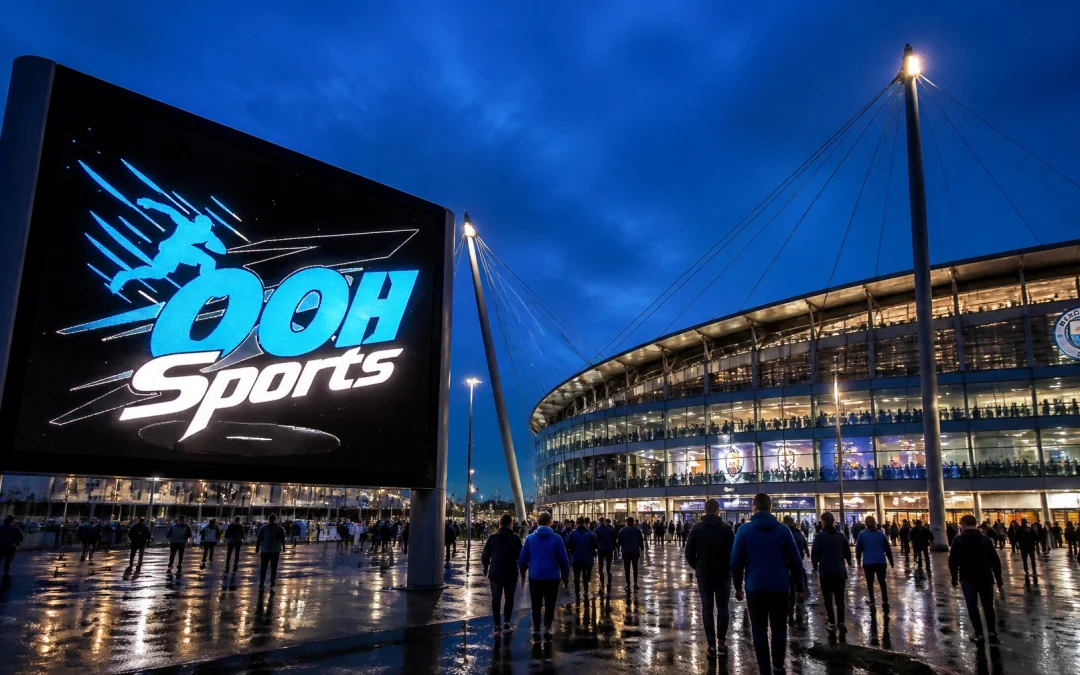
The landscape of sports advertising is undergoing a significant transformation as digital out-of-home (DOOH) technology integrates more deeply into the fan experience. OOH Sports has reached a new milestone in this evolution with the expansion of its digital network, providing media buyers and brand managers with unprecedented access to every category of digital video advertising boards within a 10-mile perimeter of sports venues. This development marks a shift from isolated stadium placements to a comprehensive, audience-centric approach that follows the fan throughout their entire game-day journey.
Strategy: The 10-Mile Digital Perimeter
The core strategy behind this network expansion is the creation of a high-density digital ecosystem surrounding major sports arenas. While traditional sports marketing often focuses exclusively on the live event within the stadium, the OOH Sports model recognizes that the fan journey begins hours before kickoff and continues long after the final whistle.
By securing inventory across diverse categories, including roadside billboards, transit hubs, retail locations, and sports bars, the network enables brands to maintain a consistent presence. The 10-mile radius is specifically designed to capture the attention of fans during critical decision-making moments, such as choosing a restaurant for a pre-game meal or visiting a retail outlet for supplies. This geographic clustering ensures that frequency and reach are maximized in areas of high emotional engagement.

Objective & Strategy: Mapping the Fan Journey
The primary objective of the network expansion is to move beyond static impressions and toward contextual relevance. For media buyers, this requires a strategic mapping of the fan journey, which is typically divided into three distinct phases.
The Pre-Game Phase
During the lead-up to an event, fans are often in transit or gathering in communal spaces. The OOH Sports network utilizes digital video boards in public transit hubs and along major commuter routes to establish early brand awareness. Data indicates that fans are highly receptive to messages regarding apparel, food, and beverage during this phase.
The In-Venue Phase
Once inside the arena, the focus shifts to the Sportrons platform. This segment of the network specializes in placing sponsored features and high-resolution video advertisements on LED screens and digital jumbotrons within the venue. The objective here is to capitalize on the peak emotional state of the audience. A unique feature of this network is the "Implied Sponsorship" model, which allows brands to test the environment with a commitment of as few as three games. This lower barrier to entry provides a strategic opportunity for brands to evaluate performance before committing to long-term partnerships.
The Post-Game Phase
As fans exit the stadium, the network shifts focus to hospitality and retail environments. Screens in nearby sports bars and casual dining establishments provide a second-screen experience where brands can reinforce their message.

Technology Partners: Programmatic Precision
A critical component of the expanded network is the integration of programmatic DOOH (pDOOH) capabilities. Through collaboration with leading demand-side platforms (DSPs) such as StackAdapt, OOH Sports has streamlined the buying process for media planners.
The use of programmatic technology allows for real-time bidding and precision targeting based on specific triggers. For example, creative can be updated instantly based on live sports data, such as score changes or weather conditions. This level of flexibility is a departure from traditional OOH, where creative changes often required significant lead times.
The technology stack also facilitates the use of mobile device IDs to measure exposure and retarget audiences on their personal devices. This omnichannel approach creates a closed-loop system where a fan might see a digital billboard on the way to the game, an LED shoutout during the second quarter, and a targeted mobile offer later that evening.

Results: Measuring Impact and Brand Lift
The efficacy of the expanded digital network is evidenced by recent campaign data across various industries. By leveraging the programmatic infrastructure and the high-concentration fan environments, brands have reported significant increases in key performance indicators.
Recent case studies highlight the following measurable outcomes:
- White Claw Vodka Launch: A programmatic DOOH campaign utilized the network to drive a 74 percent lift in purchase consideration. The strategy focused on targeting specific lifestyle venues and transit routes frequented by the core demographic.
- AB InBev (Mike’s Hard Iced Tea): By aligning creative with high-energy sports environments, the campaign achieved a 119 percent lift in positive brand image. The success was attributed to the high-frequency exposure within the 10-mile radius of target stadiums.
- Sea-Doo First DOOH Campaign: This initiative saw a 144 percent increase in purchase consideration. The campaign utilized the 10-mile perimeter to reach fans in environments where they were already thinking about outdoor recreation and leisure.
These results demonstrate that the combination of high-impact visuals and geographic precision leads to significant movement in brand preference and intent to purchase.
Implementation: A Media Buyer’s Checklist
For those looking to master the expanded OOH Sports network, several tactical steps are recommended for a successful rollout.
- Identify the Core Venue: Start by selecting the primary sports venues that align with the brand’s demographic. The network covers every major category, from professional leagues to college athletics.
- Define the Radius: Determine the optimal digital perimeter. While the 10-mile radius is the standard, buyers can customize the reach based on the specific movement patterns of the local fan base.
- Select Venue Categories: Choose from the diverse inventory available. This includes roadside, retail, transit, and stadium-specific screens.
- Leverage Dynamic Creative: Utilize the digital nature of the boards to run multiple creative variations. Incorporate live scores, countdowns, or localized messaging to increase relevance.
- Establish Measurement Protocols: Work with technology partners to set up brand lift studies or footfall attribution models. Tracking device IDs exposed to the ads provides a clear picture of the campaign’s ROI.
Conclusion: The Future of Sports Marketing
The expansion of the OOH Sports digital network represents a commitment to providing media buyers with the tools necessary to thrive in a fragmented media landscape. By combining the emotional power of live sports with the precision of programmatic DOOH, the network offers a unique value proposition that is both scalable and highly effective.
As the OOH Sports mission continues to evolve, the focus remains on transforming ordinary advertising moments into extraordinary brand interactions. For media planners and CMOs, the network provides a direct gateway to the hearts and minds of America’s most passionate consumers.