
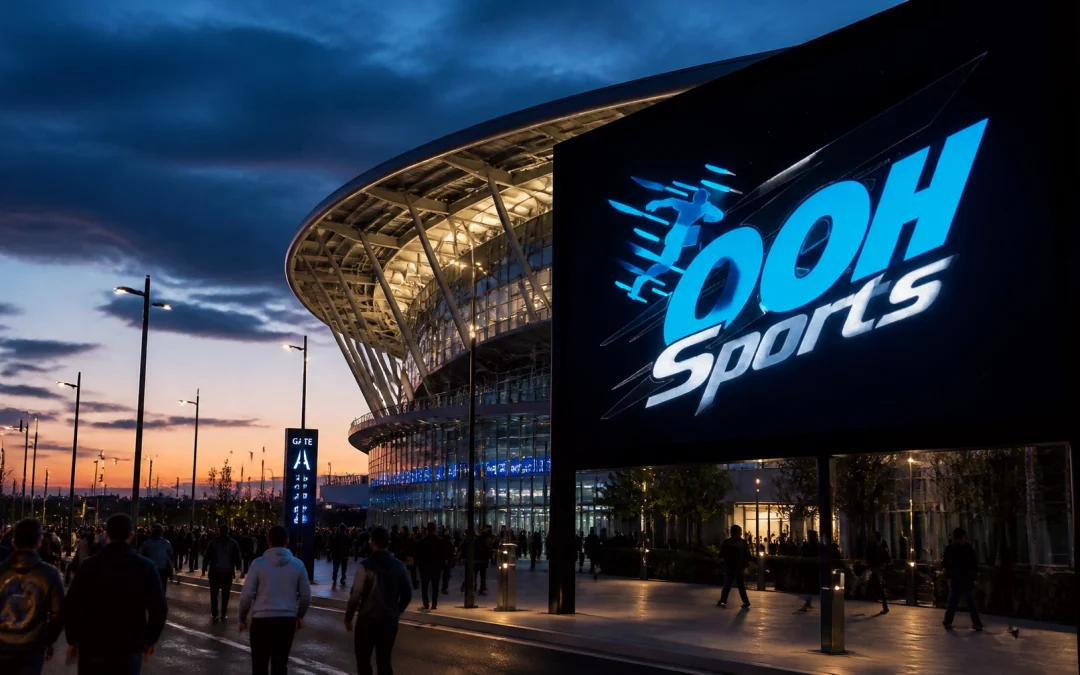
The landscape of sports marketing is undergoing a significant transformation. Traditional static billboards and standard television spots are no longer the only way to capture the attention of a highly mobile and digitally connected fan base. Modern sports fans expect interaction, relevance, and immediacy. Digital Out-of-Home (DOOH) advertising has emerged as a primary solution to meet these expectations, bridging the gap between physical attendance and digital engagement. By utilizing a network of digital video advertising boards positioned within a strategic perimeter around sports venues, brands can now reach audiences at the peak of their emotional investment.
Objective and Strategy
The core objective of innovative sports DOOH is to maximize brand visibility during high-intent windows. For media buyers and brand managers, the goal is to move beyond simple awareness and drive measurable actions, such as purchase consideration or app downloads. The strategy involves a multi-layered approach to the fan journey. Instead of treating a stadium visit as a single event, the campaign treats it as a series of touchpoints.
Execution starts well before the opening whistle. By targeting a 10-mile perimeter around arenas and stadiums, brands can engage fans as they travel to the game, visit local sports bars, or move through high-traffic transit hubs. This geographical saturation ensures that the brand remains top-of-mind throughout the day. The strategy prioritizes context over broad reach, placing messages where they are most likely to resonate based on real-time factors like game status, weather, and crowd density.
Technology Partners
The success of modern sports DOOH relies heavily on a sophisticated technological ecosystem. Integration with major Demand-Side Platforms (DSPs) allows media planners to buy inventory with the same precision used in online display or video advertising. Key partners in this space include:
- Vistar Media and Adomni: Specialized platforms for programmatic OOH that provide access to premium inventory near major venues.
- The Trade Desk and StackAdapt: Omnichannel platforms that allow for the synchronization of DOOH with mobile and Connected TV (CTV) efforts.
- Place Exchange: A supply-side platform that integrates DOOH into the broader programmatic programmatic ecosystem, ensuring transparency and ease of execution.
By leveraging these technology partners, brands can automate the bidding process and ensure their ads are served only when specific criteria are met. This level of control reduces waste and increases the overall efficiency of the media spend.

Execution Tactics
The tactical execution of a sports-focused DOOH campaign involves several innovative components that distinguish it from traditional out-of-home media.
Programmatic Precision
Programmatic buying allows for real-time adjustments to campaign parameters. If a game is delayed or moved, the campaign can be paused or redirected instantly. Media buyers can target specific fan segments, such as "avid basketball fans" or "tailgaters," by using mobile location data to identify where these audiences congregate.
Dynamic Creative Optimization (DCO)
Creative content is no longer static. Through DCO, digital boards can automatically update their visuals based on external data feeds. Tactics include:
- Live Score Updates: Displaying current game scores alongside brand messaging to provide immediate value to the fan.
- Weather Triggers: Adjusting the creative to promote hot beverages during a cold night game or refreshing drinks during a summer afternoon.
- Countdowns: Building anticipation with real-time clocks leading up to kickoff or tip-off.
Hyper-Contextual Triggers
Contextual relevance is the strongest driver of engagement in sports. Campaigns can be programmed to trigger specific messages after a victory, a home run, or a touchdown. This aligns the brand with the positive emotions of the fan base in real time.

Measuring Success and Results
The shift toward DOOH is driven by the ability to quantify impact through detailed data analysis. Unlike traditional billboards, digital networks provide a wealth of information regarding impressions, reach, and attribution. Recent campaigns managed by OOH Sports have demonstrated the effectiveness of these strategies across various industries.
White Claw Vodka Launch
A programmatic DOOH campaign for the launch of White Claw Vodka focused on high-traffic areas and sports-adjacent locations. The campaign utilized data-driven targeting to reach consumers in a "ready-to-buy" mindset.
- Strategy: Heavy concentration near nightlife and sports hubs.
- Results: The campaign achieved a 74 percent lift in purchase consideration, demonstrating the power of contextual placement for new product launches. You can read more about this case study here.
Mike’s Hard Iced Tea Brand Perception
To improve brand sentiment among sports fans, Mike’s Hard Iced Tea deployed a dynamic DOOH campaign that synchronized with game day schedules.
- Strategy: Real-time creative updates based on the local sports calendar.
- Results: Analysis showed a 119 percent lift in positive brand image among exposed audiences. Detailed findings are available on the company blog.
Sea-Doo Purchase Consideration
Sea-Doo utilized its first digital OOH campaign to target outdoor enthusiasts near sports and recreational venues. By focusing on the 10-mile perimeter of relevant locations, the brand ensured its message reached an active audience.
- Strategy: Geographical targeting based on proximity to water sports hubs and events.
- Results: The campaign resulted in a 144 percent increase in purchase consideration. Further details on the Sea-Doo campaign highlight the efficiency of localized DOOH.
The Role of Fan Engagement
Innovation in sports DOOH extends beyond the screen to the fan's mobile device. Modern campaigns often incorporate interactive elements that bridge the gap between the physical and digital worlds. QR codes, NFC technology, and social media integrations are commonly used to drive fans toward a specific digital destination.
For example, a digital kiosk outside a basketball arena might feature a "Scan to Win" prompt. This not only engages the fan in the moment but also allows the brand to capture first-party data, such as email addresses or app installs. This data is then used for retargeting, ensuring the fan journey continues long after they have left the stadium.

Strategic Alignment with Professional Networks
To stay competitive, media planners are increasingly looking for specialized networks that offer comprehensive coverage of the sports landscape. The Sportrons network provides a dedicated channel for reaching these audiences across every major category of digital video advertising boards. By centralizing the planning and buying process through a single network, brands can maintain creative consistency and optimize their budget more effectively.
The ability to target the perimeter of sports venues allows for a "surround sound" marketing effect. When a fan sees a brand on a transit screen on the way to the game, on a concourse board during halftime, and on a digital kiosk on the way out, the brand becomes an integral part of their game-day experience.
Conclusion
The future of sports marketing is undeniably digital and out-of-home. As technology continues to evolve, the ability to deliver the right message at the right time in the right place will become even more precise. Innovation in DOOH provides media buyers and brand managers with the tools needed to navigate a fragmented media environment and connect with fans where they are most passionate. By focusing on the 10-mile perimeter, leveraging programmatic technology, and utilizing dynamic creative, brands can achieve measurable results that were previously unattainable through traditional advertising alone.
For those looking to explore these strategies further, viewing current case studies and industry trends can provide a roadmap for successful implementation. The evolution of the sports fan journey is here, and DOOH is the vehicle that will drive brands forward.