
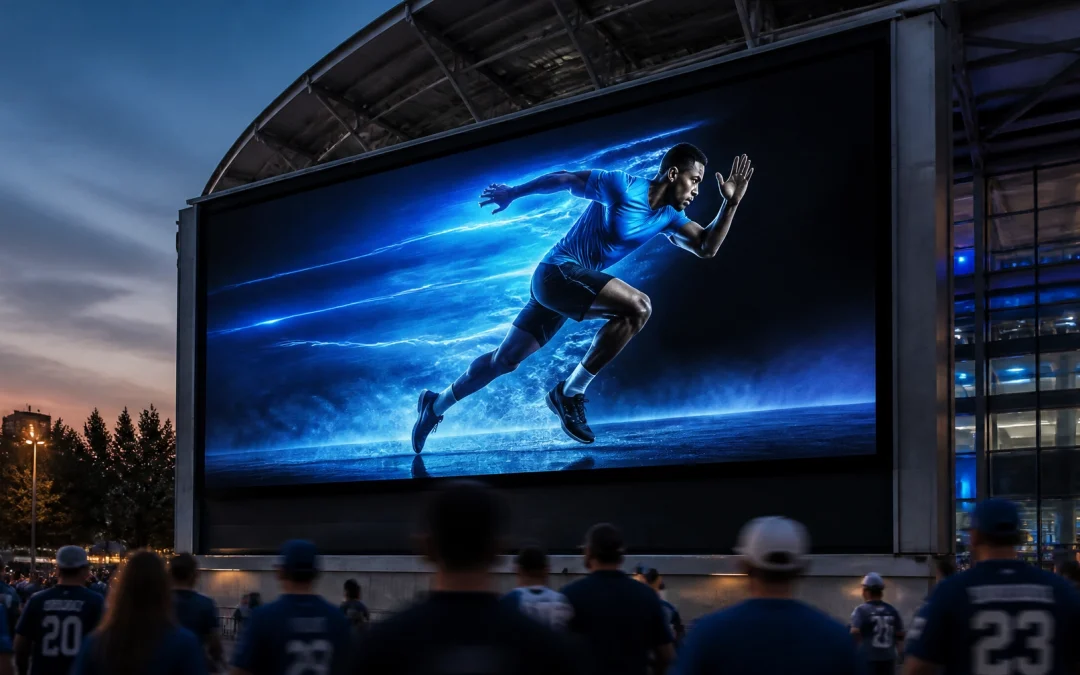
The landscape of sports marketing has undergone a significant transformation, moving away from static stadium signage toward dynamic, data-driven digital experiences. Top experts in the field now recognize that fan engagement is no longer confined to the four walls of an arena. It is a continuous journey that begins long before the first whistle and extends well after the final play. This shift has placed Digital Out-of-Home (DOOH) advertising at the center of sophisticated marketing strategies, allowing brands to connect with audiences at every touchpoint of the sports experience.
By leveraging advanced technology and strategic placement, marketers can now reach fans in the environments where they live, work, and celebrate. The following insights explore the specific strategies and tactics that industry leaders use to maximize brand impact within the sports ecosystem.
Strategy: Mapping the 10-Mile Fan Journey
One of the most effective strategies utilized by sports marketing experts involves the concept of the 10-mile perimeter. Research indicates that the influence of a major sporting event radiates outward from the venue, affecting transit hubs, retail locations, and entertainment districts within a significant radius. Rather than focusing solely on the high-cost inventory inside the stadium, savvy planners deploy campaigns across a diverse network of digital screens within this 10-mile zone.
This approach ensures that a brand remains top-of-mind throughout the entire fan journey. A fan might see a digital display at a transit station while traveling to the game, encounter another screen at a convenience store while purchasing snacks, and see a third in a sports bar during post-game celebrations. This repetitive, contextually relevant exposure builds brand familiarity and drives purchase intent far more effectively than a single, isolated message.

Objective and Strategy: Leveraging Real-Time Triggers
The true power of modern DOOH lies in its ability to respond to live events. Industry leaders use "if-this-then-that" logic to automate creative changes based on real-time triggers. This ensures that the messaging is always relevant to the current mood and environment of the fan. Common triggers used in high-performing campaigns include:
- Game Scores: Ad creative can be updated instantly to reflect the current score, celebrating a lead or building anticipation for a comeback.
- Final Results: Victory-themed creative can be deployed across an entire city the moment a home team wins, capturing the peak emotional state of the audience.
- Weather Conditions: For outdoor events, creative can pivot based on local weather, such as promoting cold beverages on a hot day or rain gear during a sudden downpour.
- Live Betting Odds: Integration with sports betting platforms allows brands to display real-time odds, appealing directly to the growing segment of fans involved in sports wagering.
These dynamic updates transform a passive advertisement into an active part of the sports narrative. When a brand reacts to the game in the same way a fan does, it creates a sense of shared experience that traditional advertising cannot replicate.
Technology Partners: The Role of Programmatic DOOH
The execution of these complex strategies is made possible through programmatic DOOH (pDOOH). This technology allows for the automated buying and selling of ad space, similar to online display advertising. By working with specialized technology partners and Demand-Side Platforms (DSPs), marketers can bid on inventory in real-time based on specific audience data and environmental factors.
Platforms such as StackAdapt have become essential for driving pDOOH adoption within omnichannel campaigns. These tools allow brands to precisely target screens that are most likely to be seen by specific audience segments, such as "college football superfans" or "frequent stadium attendees." This data-driven approach minimizes waste and ensures that every impression is delivered to a high-value prospect. Exploring the role of StackAdapt in pDOOH reveals how these integrations facilitate more efficient and effective media buying.
Campaign Execution: Tactics for Maximum Impact
A successful sports-centric DOOH campaign relies on a combination of strategic placement and technical precision. Experts prioritize the following tactics to ensure their message resonates:
Geofencing and Proximity Targeting
By establishing virtual boundaries around specific venues or key areas like fan zones, brands can trigger ads only on screens within those high-traffic zones. This is particularly effective for "ambush marketing" strategies, where a brand may not be an official sponsor of an event but still wishes to capture the attention of the attending audience. For example, Nike's execution during the NYC Marathon demonstrated how strategic OOH placement can create a dominant brand presence even without official sponsorship status.
Omnichannel Priming and Mobile Retargeting
The most effective DOOH campaigns do not exist in a vacuum. They are designed to "prime" the audience for subsequent digital interactions. When a fan sees a large-format DOOH screen, they are more likely to engage with a mobile ad from the same brand later in the day. By capturing device IDs exposed to specific DOOH screens, marketers can retarget those individuals on their smartphones with direct-response offers, effectively closing the loop between awareness and conversion.

Results: Measuring Success through Data
The move toward digital has finally solved the long-standing challenge of measuring OOH effectiveness. Industry-standard metrics now provide clear evidence of campaign ROI. Top brands have seen remarkable results by utilizing these advanced DOOH strategies:
- White Claw: By using programmatic DOOH for a vodka launch, the brand achieved a 74% lift in purchase consideration. The campaign targeted high-traffic retail areas and social hubs, ensuring the product was visible at the point of purchase. Detailed White Claw case study.
- Mike's Hard Iced Tea: This campaign saw a 119% lift in positive brand image. By aligning creative with the high-energy environment of sports and social gatherings, the brand successfully improved its perception among the target demographic. Mike's Hard brand lift results.
- Sea-Doo: In its first digital OOH campaign, Sea-Doo achieved a 144% increase in purchase consideration. This was accomplished by targeting audiences in specific recreational and transit environments, proving that DOOH is effective even for high-consideration purchases. Sea-Doo campaign analysis.
These results are often measured through brand lift studies, foot traffic attribution, and device ID tracking, providing media buyers with the hard data required to justify significant investments in the channel.

Future-Proofing Sports Marketing Strategies
As the DOOH industry continues to evolve, the integration of artificial intelligence and more sophisticated retail media networks will further enhance fan engagement. Experts are already looking toward a future where DOOH sports advertising hits $50 billion, driven by the ability to personalize content at an unprecedented scale.
The key to remaining competitive is the adoption of an audience-first mindset. Rather than simply buying locations, successful marketers buy audiences. They understand where the fans are, what they are doing, and how they feel at any given moment during a game day. By using OOH Sports' comprehensive network, brands can access digital video boards across every category, ensuring their message is part of the professional sports conversation in a meaningful and measurable way.
In conclusion, the "secrets" of top sports marketing experts are rooted in the strategic application of technology, the mapping of the physical fan journey, and the commitment to data-driven measurement. As the lines between the physical and digital worlds continue to blur, DOOH remains the most powerful tool for brands looking to make a lasting impression in the world of sports.