
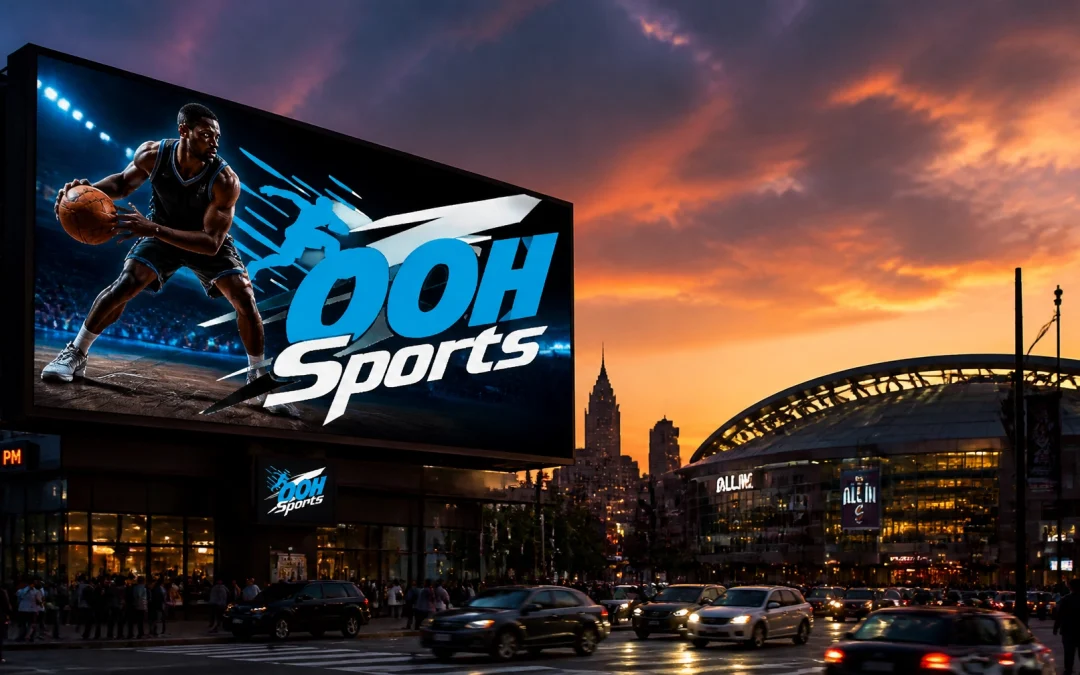
The landscape of sports marketing is undergoing a significant transformation. For decades, the primary focus for brands was securing visibility inside the stadium. However, recent data suggests that only about 1 percent of fan attention is actually captured within the arena during an event. The remaining 99 percent of the fan experience happens in everyday spaces, such as transit routes, bars, retail centers, and homes. This shift has turned the spotlight onto Digital Out-of-Home (DOOH) advertising, specifically within the perimeter of sports venues.
For Chief Marketing Officers and Creative Directors, the challenge is no longer just about reaching fans where they sit, but engaging them throughout their entire journey. This guide explores the mechanics, strategies, and measurable impact of stadium perimeter advertising.
The Strategy: Mapping the Fan Journey
Success in fan engagement requires a shift from static placements to a sequenced narrative. The fan journey begins hours, and sometimes days, before a game starts and continues long after the final whistle.
The Pre-Game Build-Up
The pre-game phase is characterized by anticipation and preparation. Brands utilize digital billboards and transit screens to build hype and drive intent. During this phase, messages often focus on tune-in reminders, ticket availability, or sportsbook sign-ups. For example, a transit shelter ad near a major commuter hub can capture the attention of fans headed toward the city center.
The Venue Halo
As fans move within a 10-mile radius of the stadium, the density of digital touchpoints increases. This "halo" area includes gas stations, convenience stores, and street furniture. This is the optimal zone for last-mile activations, such as promotions for game-day snacks or team merchandise. The objective here is to influence immediate purchasing decisions while the excitement is at its peak.
Post-Game Engagement
Engagement does not end when the game does. The hours following an event are a critical window for celebrating wins or offering consolation. Brands can use post-game creative to promote local hospitality partners or drive loyalty program registrations. This phase focuses on maintaining the emotional connection established during the game.

Objective and Targeting: The 10-Mile Perimeter
The core of the OOH Sports methodology is the strategic focus on the perimeter surrounding sports arenas. By targeting the 10-mile radius around these high-traffic venues, brands can reach a concentrated audience of highly motivated consumers.
Precision Targeting
Unlike traditional broad-reach billboards, programmatic DOOH allows for precision. Campaigns are designed to activate based on specific triggers. These triggers can include:
- Game Schedules: Increasing ad frequency during peak travel times before and after a match.
- Audience Proximity: Identifying screens that over-index for sports fans based on historical location data.
- Contextual Relevance: Syncing creative with the specific sports being played in the nearby venue, whether it is football, basketball, or baseball.
Reaching the 99 Percent
By focusing on the area outside the arena, brands tap into the "99 percent opportunity." This refers to the vast majority of fans who are engaged with the sport but are not physically inside the building. These fans are found in sports bars, gyms, and retail environments, representing a massive and often underserved market. For more on this, the About page provides insight into the mission of capturing these vital moments.
Technology Partners and Execution
The execution of a perimeter campaign relies heavily on advanced technology and data integration. The shift to programmatic DOOH has replaced manual bookings with automated, data-driven buying processes.
Programmatic DOOH (pDOOH)
Programmatic platforms allow media buyers to purchase inventory in real-time, similar to how digital display ads are bought. This technology enables brands to be agile, adjusting budgets and creative messaging instantly. Platforms like StackAdapt play a crucial role in driving the adoption of these programmatic strategies.
Live Data Integration
One of the most effective tactics in sports DOOH is the use of live game data. Screens can be programmed to display:
- Real-time Scores: Keeping fans updated as they commute or shop.
- Player Statistics: Highlighting milestones or "hot streaks" to create a sense of immediacy.
- Live Betting Odds: Providing informed prompts for fans interested in sports wagering.
Using live data turns an advertisement into a functional utility for the fan. It bridges the gap between traditional marketing and real-time content.

Creative Execution and Dynamic Content
Creative Directors must consider how to make an impact in a fast-paced environment. The most successful campaigns use dynamic creative optimization to stay relevant throughout the day.
Dynamic Creative Optimization (DCO)
DCO technology allows creative assets to change automatically based on external data. For instance, if a team is winning, the creative might switch to a celebratory message. If the game is close in the final minutes, the ad could display a "don't miss the finish" alert. This level of relevance is significantly more effective than static imagery.
Call-to-Action and Mobile Integration
Digital screens often serve as a catalyst for mobile action. The inclusion of QR codes or short URLs allows fans to transition from the physical world to a digital experience. This is particularly effective for:
- Merchandise Sales: Linking directly to a team store.
- App Downloads: Driving installs for sportsbooks or news apps.
- In-Store Offers: Providing a coupon that can be redeemed at a nearby retail location.
The synergy between large-format screens and the "second screen" in the fan's pocket is a cornerstone of modern fan engagement. Exploring Sportrons can offer a deeper look at how these specialized screens function in a sports context.

Results and Measurement
The effectiveness of stadium perimeter advertising is measured through a combination of brand lift studies and behavioral data. Unlike traditional OOH, digital formats provide a clearer picture of ROI.
Quantifiable Impact
Research indicates that 77 percent of sports viewers notice brands advertised around sporting events. Furthermore, DOOH sports ads have been shown to drive a 33 percent increase in brand liking. These metrics highlight the positive association fans have with brands that support their favorite teams and sports.
Specific campaign results often show significant lifts:
- Purchase Consideration: Campaigns for major beverage brands have seen increases in purchase consideration as high as 74 percent.
- Brand Image: Positive brand image can see a lift of over 100 percent when programmatic DOOH is used to reach fans in targeted environments.
- Real-World Action: Approximately 90 percent of adults who recall seeing an OOH ad for a major sporting event take action, such as watching the game or engaging on social media.
Attribution Modeling
Advanced measurement tools now allow brands to track foot traffic to retail locations or visits to websites following exposure to a DOOH screen. By using device IDs, planners can determine which fans saw the ad and subsequently visited a partner bar or made an in-app purchase. This level of attribution provides the data necessary to justify marketing spend and optimize future campaigns. A detailed case study section often illustrates these outcomes in real-world scenarios.
Strategic Alignment: ROI Comparison
When comparing perimeter DOOH to traditional stadium sponsorships, the return on investment often favors the former. Stadium sponsorships are high-cost and high-visibility but are limited to the fans inside the building for a specific duration. In contrast, perimeter DOOH offers:
- Lower Entry Cost: Programmatic buying allows for more flexible budget allocation.
- Extended Reach: Access to the 99 percent of fans outside the stadium.
- Greater Frequency: Ability to reach fans multiple times across different locations throughout the day.
For a deeper dive into these comparisons, industry professionals often refer to analysis on programmatic DOOH versus traditional stadium ads.

Conclusion
Fan engagement outside the arena is no longer a secondary consideration. It is a strategic necessity for brands looking to capitalize on the passion and loyalty of sports fans. By utilizing the 10-mile stadium perimeter and leveraging the latest in programmatic DOOH technology, marketers can ensure their brand is a constant presence in the fan's everyday life. The transition from being a spectator of the game to being a part of the fan journey is what defines successful sports marketing in the modern era.