
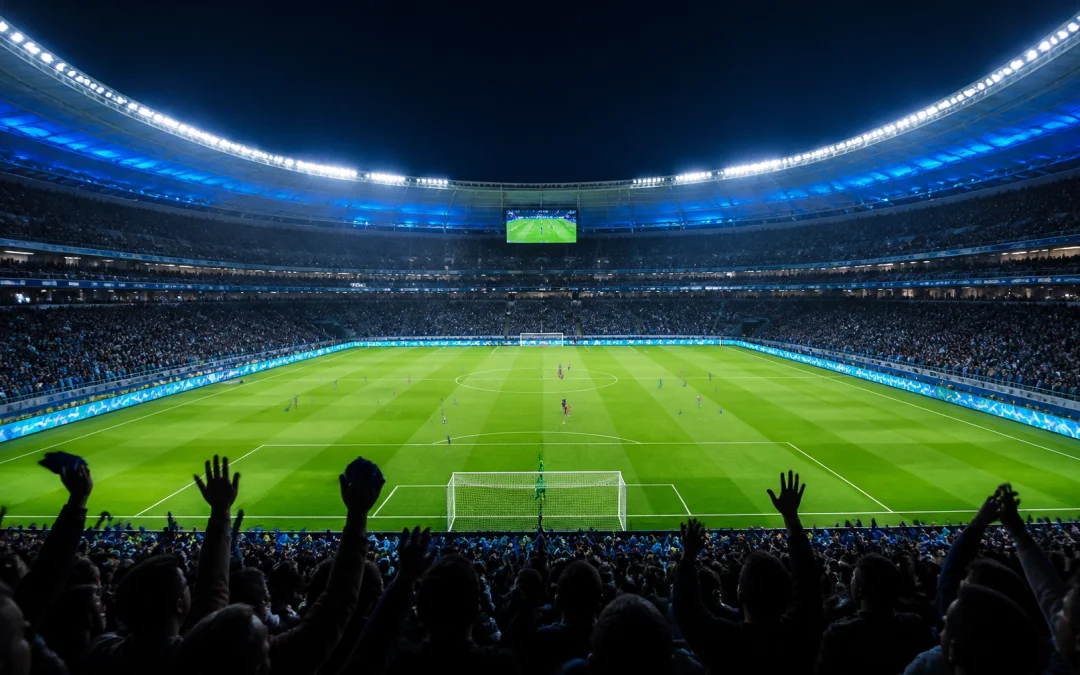
Stadium perimeter advertising has evolved from static boards to high-performance digital platforms that define the modern spectator experience. For chief marketing officers and creative directors, these displays represent a critical touchpoint where brand messaging meets peak emotional engagement. Unlike traditional out-of-home media, perimeter boards exist within the field of play, ensuring that a brand is not just a backdrop but a central participant in the sporting narrative.
The effectiveness of this medium lies in its placement. It sits directly in the line of sight of every fan in the venue and every viewer watching the broadcast. Because fans are conditioned to follow the ball, the puck, or the athlete, their focus naturally encompasses the perimeter zone. This creates a rare environment of captive attention where the "skip" button does not exist.
Strategy
The core strategy behind stadium perimeter advertising is the integration of brand presence with the highest points of emotional intensity. Sports environments offer a unique psychological state where fans are highly alert, focused, and emotionally invested. By deploying digital content on perimeter boards, a brand associates itself with these peak moments.
Strategic deployment involves more than simple logo placement. It requires a deep understanding of the match flow. Effective campaigns utilize the flexibility of digital LED systems to trigger specific creatives during key intervals such as kick-offs, timeouts, or the final minutes of a high-stakes game. This synchronization ensures that the brand message is delivered when audience attention is at its absolute maximum.
Objective & Strategy
The primary objective of a perimeter campaign is to achieve massive reach while simultaneously building deep brand affinity. This is achieved through a dual-layer exposure model.
First, the in-stadium audience provides a localized, high-impact touchpoint. Fans see the boards repeatedly over the course of a 90-minute match or a multi-period game, leading to high frequency and dwell time. This repetition is essential for cementing brand recall.
Second, the broadcast and streaming audience provides global reach. Perimeter boards are designed to be broadcast-friendly, maintaining color accuracy and legibility on screen. Every replay, close-up, and highlight reel further extends the life of the campaign beyond the live event.

To maximize this strategy, creative directors should focus on several tactical elements:
- High-contrast visuals: Utilizing bold colors and minimal text to ensure readability from across the stadium and on small mobile screens.
- Movement and animation: Using subtle transitions or pulses to draw the eye without distracting from the game.
- Contextual relevance: Tailoring the creative to the specific sport, team, or even the local city to foster a sense of community.
Technology Partners
Modern stadium advertising is powered by sophisticated digital infrastructure. The transition from vinyl to LED has transformed the perimeter into a dynamic Sportrons network. These systems are engineered to withstand extreme outdoor conditions while providing the brightness necessary to remain visible under intense floodlights.
The integration of programmatic digital out-of-home (DOOH) technology allows for unprecedented flexibility. Brands can now purchase inventory based on real-time data, adjusting creative mid-game or targeting specific demographics based on the event profile. This technological shift has moved perimeter ads away from long-term, static sponsorships toward agile, data-driven media assets.
These technology platforms also support "takeover" moments. During a goal or a major break in play, the entire perimeter can synchronize to display a single, unified brand message. This creates a "wall of light" effect that is impossible to ignore, providing a level of visual dominance that few other mediums can provide.

Measuring Impact and Engagement
For the modern CMO, the value of stadium perimeter ads is no longer anecdotal. Advanced measurement tools now track on-screen time, brand prominence, and fan sentiment. By using device IDs and location data, brands can measure how many fans were exposed to the perimeter boards and subsequently engaged with the brand on their mobile devices.
This second-screen engagement is a vital component of fan interaction. Research indicates that a significant percentage of fans use their smartphones during live games. By including calls-to-action or QR codes on the perimeter boards, brands can bridge the gap between physical OOH exposure and digital conversion.
Key metrics used to evaluate success include:
- Brand Lift: Measuring the increase in brand awareness and favorability post-event.
- Media Value: Calculating the equivalent cost of the broadcast exposure if it were purchased as traditional TV spots.
- Attribution: Tracking website visits or app downloads that correlate with the timing of the in-stadium exposure.
Results
The data consistently demonstrates that stadium perimeter advertising outperforms traditional formats in both recall and purchase intent. In a recent analysis of sports marketing trends, it was noted that DOOH sports advertising is projected to reach $50 billion by 2030. This growth is driven by the format's ability to deliver high-quality impressions at scale.
Quantitative studies show that fans are 2.5 times more likely to remember a brand seen on a perimeter board compared to a standard digital banner ad. Furthermore, campaigns that utilize dynamic LED content see an average 35% increase in brand recall over static displays.
Specific brand executions have yielded impressive outcomes:
- A major beverage brand reported a 74% lift in purchase consideration after a programmatic DOOH campaign that included heavy perimeter board presence.
- Another campaign focused on iced tea saw a 119% lift in positive brand image by aligning its messaging with high-energy game moments.
- A leading apparel company achieved a 144% increase in purchase consideration by integrating perimeter ads with a broader omnichannel strategy.
These results highlight the efficiency of the medium. When comparing programmatic DOOH to traditional stadium ads, the ability to target specific audiences and measure real-time impact provides a significantly higher return on investment for brands.

Execution and Logistics
Executing a successful perimeter campaign requires coordination between the brand, the creative agency, and the stadium network provider. The process typically begins with the definition of the "perimeter zone." At OOH Sports, this often includes a perimeter up to 10 miles around sports venues to capture fans as they arrive and depart, in addition to the in-stadium experience.
The logistics involve:
- Asset Preparation: Creating high-resolution, motion-ready files tailored to the specific aspect ratio of the stadium's LED boards.
- Scheduling: Determining the rotation frequency and identifying "power minutes" where the brand wants maximum exposure.
- Integration: Ensuring the perimeter content is part of a cohesive case study that includes other digital assets within the stadium network.
- Monitoring: Real-time tracking of the display to ensure perfect playback and immediate adjustment if match conditions change.
This level of detail ensures that the brand message is delivered flawlessly, protecting the integrity of the creative and the reputation of the sponsor.
The Future of Fan Engagement
As stadium technology continues to advance, the perimeter will become even more interactive. Future iterations may include augmented reality triggers that allow fans to unlock exclusive content by pointing their phones at the boards. The perimeter will evolve from a boundary line into an interactive portal.
For now, the digital LED perimeter remains the most effective tool for brands looking to dominate the sports environment. It offers the perfect blend of visibility, emotional connection, and technological flexibility. For creative directors and CMOs, it is the secret weapon that turns a standard advertising buy into a memorable part of the fan experience.

By placing a brand at the heart of the action, perimeter advertising ensures that the message is heard, seen, and remembered long after the final whistle. It is an essential component of any modern sports marketing strategy, providing the reach of broadcast with the impact of a live, shared experience.