
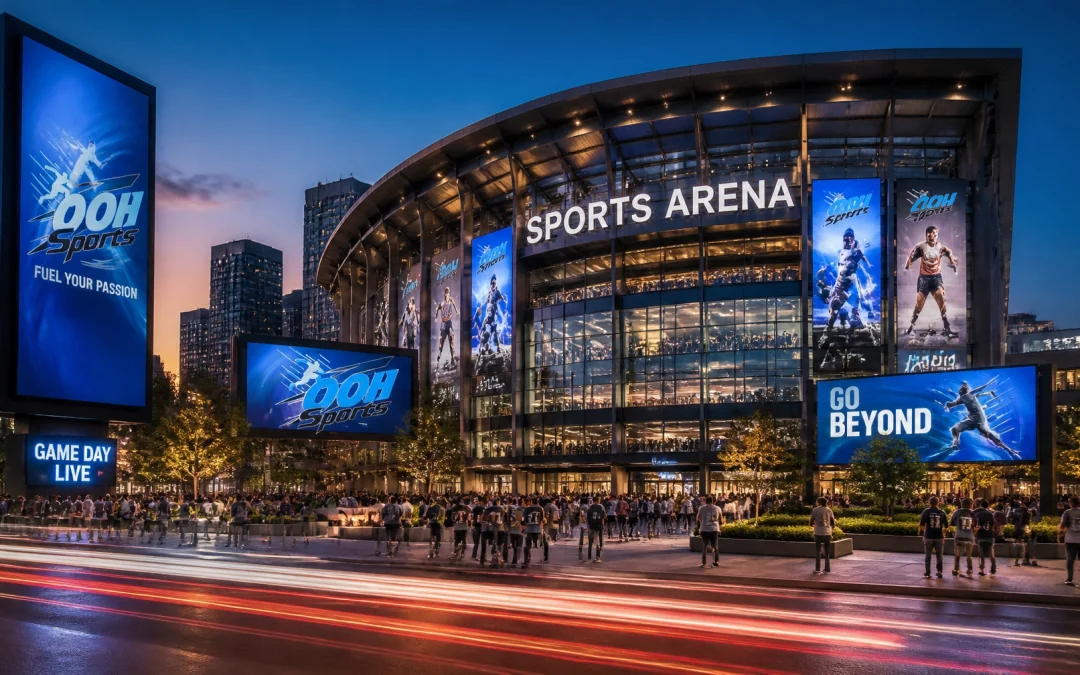
The landscape of sports marketing has undergone a radical transformation. Traditional static billboards are no longer sufficient to capture the attention of the modern, digitally connected sports fan. Today, the most effective campaigns rely on Digital Out of Home (DOOH) innovation to bridge the gap between physical presence and digital engagement. This guide explores the strategic mechanics, technological advancements, and measurable outcomes of modern sports DOOH, providing media buyers and brand managers with a roadmap for success.
The Shift Toward Integrated Sports Environments
Sports venues serve as the epicenter of high-value audience gatherings. However, the opportunity for brand engagement extends far beyond the stadium walls. Modern sports marketing focuses on the entire fan journey, from the moment a supporter leaves their home to the final whistle and the journey back. This ecosystem is powered by DOOH networks that allow brands to maintain a consistent, high-impact presence across a variety of touchpoints.
The integration of digital screens into the sports experience has moved from simple loops to dynamic, data-driven inventory. Brands now have the capability to deliver messages that are as fast-paced and passionate as the game itself. By utilizing a network of digital video advertising boards, marketers can ensure that their brand is etched into the hearts of fans across the country.
Strategy: The Power of the 10-Mile Perimeter
One of the most effective strategies in modern sports DOOH is the establishment of a 10-mile perimeter around sports venues. This geographic targeting ensures that a brand dominates the "last mile" of the fan experience. Within this radius, advertisers can access every category of digital video advertising board, including roadside displays, transit hubs, and street-level furniture.

Key Objectives of Perimeter Targeting
- Brand Dominance: By saturating the area surrounding an arena, a brand becomes synonymous with the event itself, even without an official sponsorship.
- Path-to-Purchase Influence: Targeting screens near retail locations, bars, and restaurants allows brands to influence consumer behavior in real-time as fans prepare for the game.
- High-Frequency Exposure: Fans traveling to and from the stadium are exposed to the brand multiple times, reinforcing recall and sentiment.
This perimeter-based approach is a cornerstone of the OOH Sports Network, providing media buyers with a centralized way to plan and execute hyper-local campaigns at scale.
Technology Partners and the Rise of Programmatic DOOH
The transition to Programmatic Digital Out of Home (pDOOH) is the most significant technological leap in the industry. Programmatic buying allows for the same level of precision and flexibility found in online advertising but on a massive, public scale.
Technology partners such as StackAdapt and other specialized Demand-Side Platforms (DSPs) have simplified the process of buying sports DOOH. Instead of negotiating individual contracts for every screen, media planners can now bid on inventory in real-time based on specific audience data and triggers.
The Benefits of Programmatic Execution
- Flexibility: Campaigns can be paused, adjusted, or scaled instantly based on performance or external factors.
- Efficiency: pDOOH reduces the administrative overhead of traditional OOH buying, allowing teams to focus on strategy and creative.
- Data Integration: Buyers can leverage mobility data, ticketing information, and even first-party CRM data to inform their bidding strategies.
For a deeper dive into how programmatic technology is driving adoption, industry professionals often look to platforms like StackAdapt for guidance on omnichannel integration.
Tactics for Success: Contextual Triggers and Creative Excellence
Innovation in sports DOOH is not just about the hardware; it is about how the creative content reacts to the environment. Dynamic creative optimization (DCO) allows advertisements to change automatically based on real-time data feeds.

Effective Use of Real-Time Triggers
- Game State: Creative can change based on the score, current quarter, or a major play. For instance, a beverage brand might trigger a "celebration" ad immediately after a home team touchdown.
- Weather Conditions: Ads can be tailored to the local climate. A sports apparel brand might promote rain gear if a storm is approaching the stadium or switch to cooling products during a heatwave.
- Time of Day: Messaging can transition from "pre-game excitement" in the morning to "post-game offers" in the evening, ensuring relevance at every hour.
These tactics ensure that the advertising feels like an organic part of the event rather than a generic interruption. The use of Sportrons and other digital video boards enables this high-fidelity, responsive storytelling.
Bridging the Gap: The "Phygital" Experience
The most innovative campaigns today connect the physical screen to the fan's mobile device. This "phygital" approach extends the life of a DOOH exposure by creating a direct line of communication with the consumer.

Strategic Tactics for Mobile Integration
- QR Code Activation: Placing QR codes on street-level displays allows fans to quickly access exclusive content, merchandise discounts, or enter sweepstakes.
- Geofenced Retargeting: By identifying mobile devices that have been exposed to DOOH screens within the 10-mile perimeter, brands can retarget those same users with follow-up ads on social media or mobile apps.
- Augmented Reality (AR): Large-format screens can serve as triggers for immersive AR experiences, turning a billboard into an interactive game or a virtual try-on booth.
This omnichannel approach ensures that the impact of the sports DOOH ad is measured and amplified across the digital landscape.
Measuring Results: Data-Driven Proof of Success
The standard for success in sports DOOH is no longer just "impressions." Today, the focus is on measurable impact, including brand lift, purchase consideration, and foot traffic attribution. Recent campaigns have demonstrated the immense potential of this medium.

Documented Campaign Outcomes
- Purchase Consideration: A programmatic DOOH campaign for a major vodka launch resulted in a 74% lift in purchase consideration. By targeting the right audience in high-traffic sports zones, the brand moved consumers through the funnel with high efficiency.
- Brand Image: A major tea brand saw a 119% lift in positive brand image. The ability to align the brand with the positive emotions of a live sports event proved to be a powerful driver of sentiment.
- Strategic Growth: A digital OOH campaign for an outdoor recreational brand increased purchase consideration by 144%. The success was attributed to the precise targeting of enthusiasts near stadiums and key transit routes.
These results are often validated through brand lift studies and device ID tracking, providing the transparency that modern media buyers require. Detailed case studies provide further evidence of how these strategies translate into real-world ROI.
Future-Proofing the Media Plan
As sports media continues to evolve, the integration of DOOH will become even more critical. The rise of immersive venues and virtual in-game signage means that the "canvas" for advertising is expanding. To remain competitive, brands must adopt a forward-thinking approach that prioritizes data, flexibility, and fan engagement.
By focusing on the perimeter around the arena and utilizing the latest in programmatic technology, advertisers can ensure their message is seen by the right people at the most impactful moments. The goal is to move beyond traditional advertising and create a brand presence that is as dynamic as the sports world itself.
For those looking to explore the full potential of this medium, the OOH Sports Blog offers ongoing insights into the latest trends and strategies in the industry.