
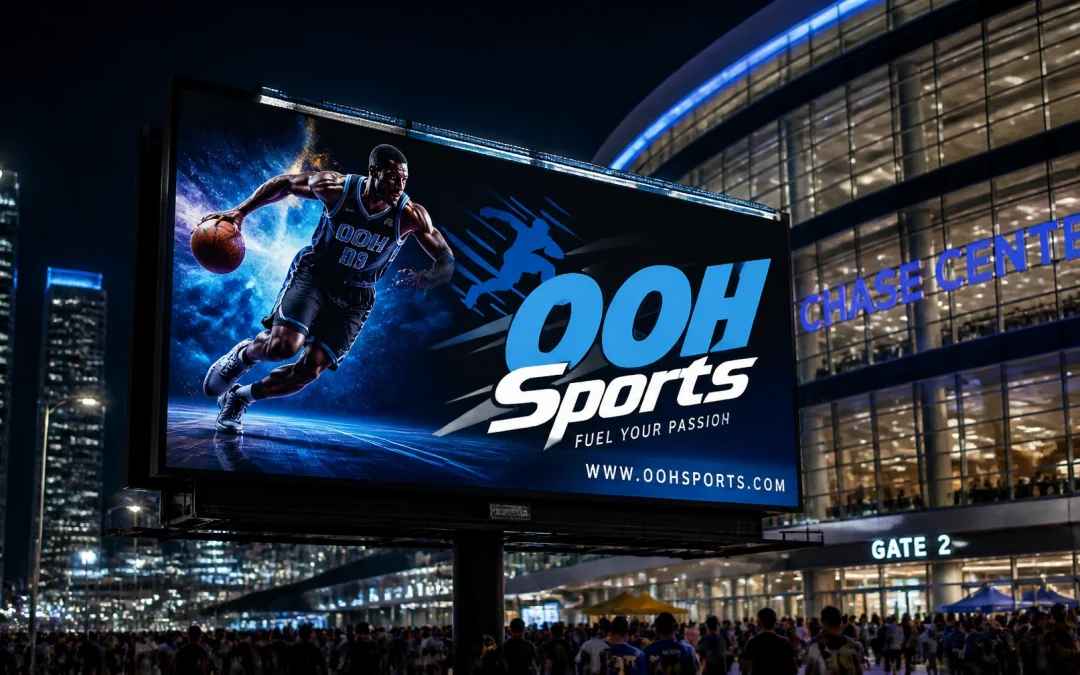
The landscape of sports marketing has undergone a radical transformation. Traditional static signage is increasingly replaced by dynamic, data-driven ecosystems that follow fans far beyond the stadium gates. Digital Out-of-Home (DOOH) advertising has emerged as a primary vehicle for brands to connect with highly engaged audiences during the most critical moments of the sports calendar. By leveraging the latest trends in programmatic technology and audience analytics, advertisers can now achieve levels of precision and impact previously reserved for digital-only channels.
The following insights outline the strategic shift toward a comprehensive, omnichannel approach in sports-centric DOOH.
1. Mapping the Full Fan Journey
Successful sports branding no longer begins and ends at the arena. The modern fan journey is a multi-touchpoint experience that includes travel, hospitality, dining, and retail. Effective strategies prioritize reaching fans in transit hubs, airports, and hotels before they reach the game, and then continuing the conversation in sports bars and nightlife corridors after the final whistle. This "surround the game" approach ensures that a brand remains top-of-mind throughout the entire event day.
2. The Programmatic Advantage (pDOOH)
Programmatic Digital Out-of-Home (pDOOH) allows for automated buying and placement of advertisements across a vast network of screens. This technology enables media buyers to activate campaigns based on specific audience data, ensuring that impressions are only served when the target demographic is present. By using programmatic platforms, brands can scale their presence across thousands of screens in a 10-mile radius of major venues, optimizing budget allocation in real-time.
3. Real-Time Dynamic Creative Triggers
One of the most impactful features of digital media is the ability to change creative content instantly based on external data. For sports advertisers, this means utilizing dynamic triggers such as live scores, countdowns to kick-off, or even weather conditions. For example, a beverage brand might switch its creative from a generic logo to a "celebratory" message the moment a local team wins a playoff game. This level of contextual relevance significantly increases ad recall and consumer engagement.

4. Hyper-Local Targeting and the 10-Mile Radius
Proximity matters in sports marketing. Data indicates that fans are most receptive to brand messaging when they are within the immediate vicinity of the sports venue. Strategic placements in high-traffic areas up to 10 miles around stadiums allow brands to capture the "perimeter audience." This includes gas stations, convenience stores, and quick-service restaurants where fans stop for supplies before or after an event.
5. Multi-Screen Integration with CTV and Mobile
DOOH is rarely a standalone channel in a modern media mix. In 2026, the convergence of DOOH and Connected TV (CTV) has become a standard practice. Many environments, such as sports bars and transit lounges, feature both large-format DOOH screens and smaller television screens. Coordinating creative across these devices, as well as syncing with mobile retargeting, creates a cohesive brand experience that reinforces the message across multiple platforms simultaneously.
6. Capitalizing on the Rise of Women's Sports
The explosive growth of women's sports offers a prime opportunity for brands to reach a diverse and highly loyal demographic. Interest in women's sports has reached record levels, yet the advertising environment remains less cluttered than traditional major leagues. Brands that invest in DOOH around women's tournaments and venues often see higher effectiveness ratings and a more direct connection with community-driven fan bases.

7. In-Store and Retail Media Synergy
Retail media integration is a significant growth driver for DOOH. Placing digital advertisements on screens inside retail environments where team merchandise or sponsorship products are sold creates a direct path to purchase. During major sporting events, in-store pDOOH can be adjusted by region and team affiliation, ensuring that the right products are promoted to the right fans at the exact moment they are ready to buy.
8. Leveraging AI for Audience Intelligence
Artificial Intelligence is now used to analyze mobility data and predict where specific fan segments will be at various times of the day. This audience intelligence allows for the creation of heat maps that guide the placement of DOOH assets. Instead of buying every available screen, advertisers can focus on the specific locations: such as university campuses for college sports or high-end dining districts for professional leagues: where their target audience is most concentrated.
9. Post-Game Retention and Nightlife Corridors
The end of the game does not mean the end of the advertising opportunity. Post-game movement patterns often lead fans to specific entertainment and nightlife districts. By maintaining a presence on screens in these areas, brands can capitalize on the heightened emotions of a win or the social nature of the post-game debrief. This timing is particularly effective for brands in the hospitality, beverage, and entertainment sectors.
10. Scalable Measurement and Attribution
The ability to measure the real-world impact of DOOH is perhaps the most critical insight for 2026. Advanced attribution models now link DOOH exposure to concrete business outcomes, such as footfall traffic to a specific retail location or a spike in app downloads. This data-driven approach removes the guesswork from out-of-home advertising, providing CMOs and media planners with clear evidence of return on investment (ROI).

Strategy and Objective
The primary objective of a modern sports DOOH strategy is to maximize brand visibility during high-intent windows. This requires a shift from traditional "buy-and-hold" billboard placements to a more agile, programmatic model.
The strategy involves three distinct phases:
- Phase 1: Pre-Game Anticipation. Activating screens in transit and retail locations to capture fans as they prepare for the event.
- Phase 2: In-Game Dominance. Focusing on the immediate perimeter of the stadium and nearby viewing venues to reinforce brand presence.
- Phase 3: Post-Game Conversion. Shifting creative to social hubs and dining areas to drive immediate action or brand sentiment.
Technology partners such as Sportrons facilitate this level of granular control, allowing brands to manage thousands of screens across every category of digital video advertising boards.
Logistics and Execution
Executing an omnichannel sports campaign requires careful coordination between creative and media planning.
- Audience Mapping: Identifying the 10-mile perimeter and the primary routes used by fans.
- Creative Versioning: Developing multiple versions of creative that can be triggered by game results or time-of-day.
- Platform Integration: Utilizing pDOOH platforms to bid on inventory in real-time, ensuring maximum efficiency.
- Retargeting: Collecting anonymized device IDs exposed to the DOOH screens to serve follow-up advertisements on mobile or social media platforms.
Results and Impact
Data-driven DOOH campaigns in the sports sector have consistently delivered measurable results. For example, a programmatic DOOH campaign for White Claw achieved a 74% lift in purchase consideration during a vodka launch by targeting specific urban environments.
Similarly, Ab InBev's Mike’s Hard Iced Tea utilized pDOOH to drive a 119% lift in positive brand image. These results are achieved through the precise combination of high-impact visuals and data-backed placement strategies. Other brands, such as Sea-Doo, have reported up to a 144% increase in purchase consideration by integrating DOOH into their broader media strategy.
The success of these campaigns is documented through rigorous brand lift studies and footfall attribution analysis, providing a clear roadmap for future sports branding efforts. Detailed case studies further highlight how these tactics can be adapted for various industries and event types.
Summary of Strategic Execution
By focusing on the full fan journey and utilizing the power of programmatic technology, brands can transcend the limitations of traditional advertising. The integration of real-time data, AI-driven audience intelligence, and precise measurement allows for a level of sports branding that is as dynamic and passionate as the sports themselves.