
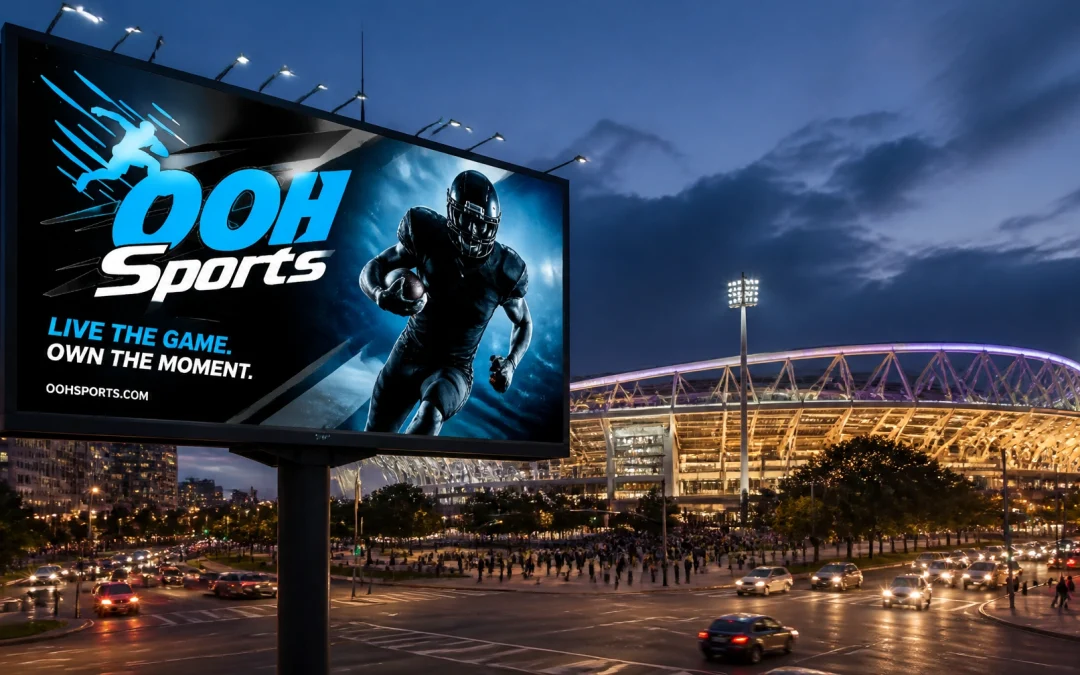
The landscape of sports marketing is undergoing a significant transformation. As traditional television viewership fragments across various streaming platforms, the physical world has become the new frontier for high-impact brand storytelling. Digital Out-of-Home (DOOH) advertising has emerged as a cornerstone for sports brands seeking to capture the attention of fans who are increasingly mobile and multi-screen in their consumption habits. To scale a sports brand effectively, the first and most critical step is to leverage actionable insights and data-driven strategies before launching a single creative asset.
Strategy: The Foundations of Insights
Success in the digital out-of-home sector is not merely about presence; it is about precision. For brands aiming to dominate the sports landscape, the initial strategy must focus on understanding the fan journey from the driveway to the stadium seat and back again. This process begins with data aggregation. By analyzing historical traffic patterns, fan demographics, and regional sports preferences, advertisers can move beyond broad-based awareness to targeted engagement.
The shift toward programmatic DOOH has revolutionized how these insights are applied. Unlike traditional static billboards that required long-term commitments and manual changes, programmatic platforms allow for real-time adjustments based on live data triggers. This agility ensures that the brand remains relevant to the unfolding narrative of the sporting event.
Objective and Strategy: Defining the Goal
The primary objective for any sports-focused DOOH campaign is typically twofold: maximizing reach during high-intent windows and driving measurable brand lift. To achieve this, a clear strategic framework is essential.
- Identify High-Impact Windows: Sports are cyclical. Strategic planning must account for the pre-game build-up, the live event, and the post-game celebration or analysis.
- Define Targeting Parameters: Precision targeting often involves a 10-mile radius around sports venues. This geographic focus ensures that the message reaches the most relevant audience during their most engaged moments.
- Establish Measurement Baselines: Before execution, brands must define how success will be measured, whether through brand lift studies, foot traffic attribution, or mobile retargeting exposures.
Technology Partners: Programmatic and Measurement
Executing a modern DOOH campaign requires a robust ecosystem of technology partners. High-performance campaigns often utilize specialized Demand Side Platforms (DSPs) to manage inventory across various networks. This programmatic approach allows media buyers to access every digital video advertising board in a specific category with surgical precision.
A key partner in this space is StackAdapt, which facilitates the adoption of programmatic DOOH within broader omnichannel campaigns. By integrating DOOH with other digital channels, brands can create a unified experience that reinforces messaging across multiple touchpoints. Furthermore, measurement partners provide the necessary data to validate the impact of the campaign through device ID tracking and location-based analytics.

Trend 1: Programmatic Scaling and Agility
One of the most significant trends in sports advertising is the move toward hardware-agnostic programmatic buying. This allows brands to secure inventory across different networks without being tied to a single provider. The flexibility of programmatic buying means that budgets can be allocated or shifted in real-time. If a specific market shows higher engagement during a playoff run, the campaign can be scaled instantly to capitalize on that momentum.
Programmatic execution also enables the use of "private marketplaces" or curated packages. These packages are specifically designed around sports hubs, such as major arenas, transit routes, and popular sports bars. This ensure that the brand message is always within the vicinity of the active fan base.
Trend 2: Contextual Relevance and Dynamic Creative
In 2026, the concept of "one-size-fits-all" creative is obsolete. Dynamic Creative Optimization (DCO) is now a standard requirement for brands that want to scale. DCO allows the creative content to change automatically based on external data triggers. For a sports brand, these triggers might include:
- Live Game Scores: Updating the billboard copy to reflect the current score of a local game.
- Weather Conditions: Promoting cold beverages on hot game days or apparel on colder nights.
- Game Milestones: Celebrating a player's record-breaking moment or a team's championship win in real-time.
This level of contextual relevance creates a deeper emotional connection with the fan. When the advertising matches the mood and the moment of the game, the brand is viewed as a participant in the fan experience rather than an interloper.
Trend 3: The Omnichannel Fan Journey
The modern fan experience is inherently multi-screen. Research indicates that over half of sports fans use a second screen, such as a smartphone or tablet, while watching a game. This behavior presents a unique opportunity for DOOH to act as a primary driver of cross-channel engagement.
A successful strategy involves using DOOH to prime the audience. For instance, a fan traveling to the stadium may see a digital display at a transit hub or a Sportron screen near the arena entrance. This exposure creates initial brand awareness. Subsequently, the brand can retarget those same device IDs on mobile platforms or Connected TV (CTV) once the fan is settled or after the game. This creates a cohesive narrative that follows the fan throughout their journey.

Trend 4: Hyper-Local Targeting (The 10-Mile Radius)
Geography is the most powerful filter in out-of-home advertising. For sports brands, the 10-mile radius around venues is the "golden zone." This area contains the highest concentration of fans, ticket holders, and viewers gathered in sports bars and restaurants.
By saturating this specific perimeter with digital video advertising, brands can create a "takeover" effect. This strategy is particularly effective for non-sponsors who want to capture the excitement of a major event without the high cost of official league partnerships. This approach, often referred to as ambush marketing when executed strategically, allows brands to maintain high visibility where the action is happening.
Results and Case Studies: Quantifying Impact
The efficacy of DOOH in the sports industry is well-documented through various case studies. The following examples highlight the measurable success of data-driven DOOH campaigns:
- White Claw: To launch its new vodka line, White Claw utilized programmatic DOOH to target specific demographics in high-traffic areas. The campaign resulted in a 74% lift in purchase consideration, demonstrating the power of DOOH to move consumers further down the funnel. Detailed analysis of this campaign can be found in the White Claw case study.
- AB InBev (Mike’s Hard Iced Tea): This campaign focused on building positive brand sentiment through localized digital placements. The results showed a 119% lift in positive brand image, proving that DOOH can significantly alter consumer perception when delivered in the right context. Further details are available in the Mike's Hard Iced Tea report.
- Sea-Doo: In its inaugural digital out-of-home campaign, Sea-Doo targeted outdoor enthusiasts and sports fans. This strategic alignment led to a 144% increase in purchase consideration, highlighting the effectiveness of reaching a niche audience through well-placed digital screens. The full breakdown is available in the Sea-Doo analysis.
These results are typically verified through brand lift studies and the tracking of exposed versus unexposed audience groups. By comparing the behavior of these two groups, advertisers can isolate the direct impact of the DOOH campaign on consumer intent and action.

Executing the "Do This First" Strategy
To scale a sports brand effectively, the sequence of operations is vital. Before any creative is finalized or inventory is purchased, the following steps must be completed:
- Analyze the Audience Map: Use location data to identify where fans congregate before, during, and after games.
- Integrate Data Streams: Ensure that the campaign can respond to live triggers such as game scores or local weather.
- Select the Right Platforms: Choose DSPs that offer comprehensive access to digital video boards within the targeted sports perimeter.
- Set Up Attribution: Establish the mechanism for tracking brand lift or foot traffic from the outset.
By following this quick-start guide, sports brands can transition from traditional, static advertising to a dynamic, data-driven approach that delivers superior ROI. The integration of technology, real-time insights, and hyper-local targeting creates a powerful platform for scaling brand presence in the highly competitive sports market.
In conclusion, the future of sports advertising lies in the ability to merge the physical and digital worlds seamlessly. As digital out-of-home technology continues to evolve, the brands that prioritize insights and strategic planning will be the ones that resonate most deeply with the next generation of sports fans.