
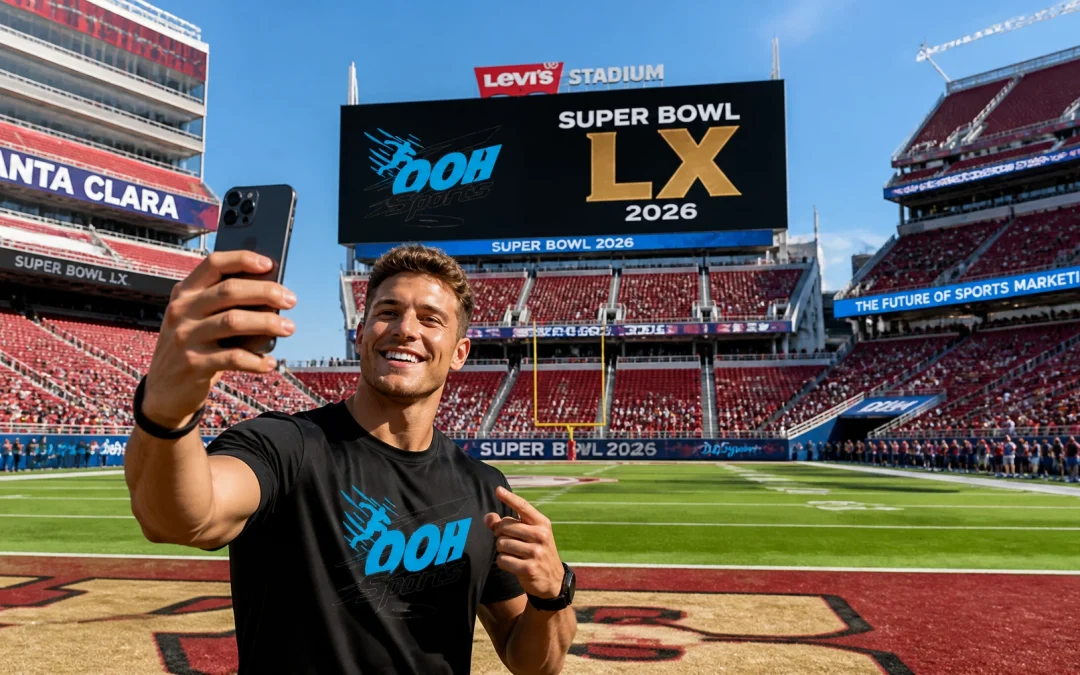
Super Bowl 2026 represents a massive shift in how brands engage with audiences. As the game descends upon Santa Clara and the broader San Francisco Bay Area, the traditional model of purchasing a single, eight-million-dollar television spot is no longer the only path to dominance. Today, the most successful campaigns are those that live where the fans live: on their phones and in the physical spaces surrounding the stadium. By shifting focus toward a network of 20,000 authentic student-athlete voices, brands can create a surround-sound effect that lasts long after the final whistle.
This strategy moves away from the "one and done" nature of a thirty-second commercial. Instead, it utilizes the Name, Image, and Likeness (NIL) ecosystem to build a multi-layered narrative. Through a combination of digital out-of-home (DOOH) advertising and large-scale athlete partnerships, marketers are finding ways to own the conversation within a ten-mile perimeter of Levi’s Stadium and across the nation.
Objective and Strategy
The primary objective for any Super Bowl 2026 campaign is to achieve maximum visibility and engagement without the diminishing returns of traditional broadcast ads. The strategy involves a hyper-local focus combined with national digital reach. By targeting the ten-mile radius around the sports venue, brands can reach the most concentrated group of high-value consumers and decision-makers in the world during that week.
A key component of this strategy is the integration of digital video advertising boards. These boards are not limited to the stadium itself but extend to transit hubs, shopping centers, and high-traffic pedestrian areas. This ensures that a brand message is the first thing a fan sees when they land at the airport and the last thing they see before entering the arena.
The NIL Platform: 20,000 Authentic Voices

At the heart of this modern approach is a proprietary NIL platform that connects brands with over 20,000 student-athletes. These are not just influencers; they are the voices that define culture for the next generation of sports fans. Student-athletes possess a level of trust and hyper-local loyalty that national celebrities often lack.
Using this platform, media buyers can segment the athlete pool by location, sport, and audience demographics. For Super Bowl 2026, the strategy involves recruiting athletes from universities across the Bay Area and key national markets to act as brand ambassadors. This creates a network of authentic storytellers who integrate products into their daily lives, training routines, and game-day preparations.
The platform handles the complexities of NCAA compliance and contract management at scale. This allows brands to deploy thousands of individual pieces of content simultaneously, ensuring a consistent but personalized brand presence across social media feeds.
Technology and Partners
The execution of such a massive campaign requires sophisticated technology. The use of programmatic digital out-of-home (DOOH) platforms allows for real-time bidding and placement of ads on the most relevant screens. This technology ensures that creative assets are displayed at the optimal time and location to capture the attention of the Super Bowl crowd.
The Sporttron Digital Network
A major technology partner in this ecosystem is the Sporttron digital network. This network provides access to ribbon boards and jumbotrons in over 780 venues nationwide. During the Super Bowl window, this technology is used to synchronize stadium-side advertising with the digital content produced by the 20,000 athlete voices.
By using predictive modeling and device ID tracking, the platform can measure how many fans were exposed to both an athlete's post and a physical digital billboard. This "omnichannel" approach bridges the gap between the digital world and the physical environment of the game.

Creative Logistics and Execution
Managing 20,000 voices requires a clear creative framework. Instead of forcing athletes to read from a rigid script, the strategy focuses on collaborative content creation. Brands provide a set of "guardrails" and talking points, but the athletes are encouraged to use their own voice and style. This preserves the authenticity that makes NIL partnerships so effective in the first place.
The campaign execution follows three distinct phases:
- The Build-Up (4–6 Weeks Pre-Game): Athletes share personal stories about their favorite Super Bowl memories and how the brand fits into their preparation for the big game.
- Game Week Activation: Daily social content features behind-the-scenes looks at the festivities in Santa Clara, match-up breakdowns, and real-time reactions to the surrounding excitement.
- The Post-Game Long Tail: After the game, athletes provide analysis and reflections, keeping the brand's message relevant as the conversation shifts to the next season.
Video Insights: The Future of Sports Marketing
To understand the full scope of how these connections are made, it is helpful to look at the broader expertise brought to the table by industry leaders.
https://www.youtube.com/watch?v=l6J-0zileKE
This video highlights how the integration of concession platforms, cup holders, and digital networks creates a tangible fan experience that goes beyond the screen.
Measurement and Results
The success of a Super Bowl 2026 campaign is measured through hard data and fan sentiment analysis. By using predictive modeling, the agency can forecast the impact of a campaign before it even launches. Once the campaign is live, real-time tracking provides a clear picture of ROI.
Historical data from previous campaigns shows significant lifts in brand metrics when using this integrated approach:
- Purchase Consideration: Brands have seen up to a 144 percent increase in purchase consideration by combining DOOH with influencer voices.
- Brand Preference: Positive brand image can see a lift of over 119 percent when the message is delivered through an authentic, trusted athlete voice rather than a standard commercial.
- Engagement: Engagement rates on student-athlete content often outperform traditional celebrity endorsements by a factor of three, thanks to the high level of community trust.

Beyond the Digital Screen
While digital presence is vital, the "secrets" of Super Bowl 2026 also include tangible physical interactions. The OOH Sports network extends into the very fabric of the stadium environment. This includes high-touch platforms like concession stands and branded cup holders.
One innovative approach involves "cup holders for charity," where a portion of the advertising spend is directed to a local cause. This not only builds brand goodwill but also creates a positive association for the fan who is physically interacting with the brand while enjoying the game. These tactile experiences, when combined with the 20,000 athlete voices on social media, create a comprehensive brand ecosystem.

Conclusion
Super Bowl 2026 is a moment of a lifetime for brands ready to embrace the future of sports marketing. The secret to success lies in moving beyond the traditional thirty-second spot and tapping into the power of 20,000 authentic student-athlete voices. By leveraging a robust NIL platform, advanced DOOH technology, and a deep understanding of fan behavior, marketers can dominate the arena and the digital feed.
For those looking to explore how this network can work for their specific goals, reviewing recent case studies provides a roadmap for success. The shift toward authenticity and hyper-local targeting is not just a trend; it is the new standard for the world’s biggest stage.