
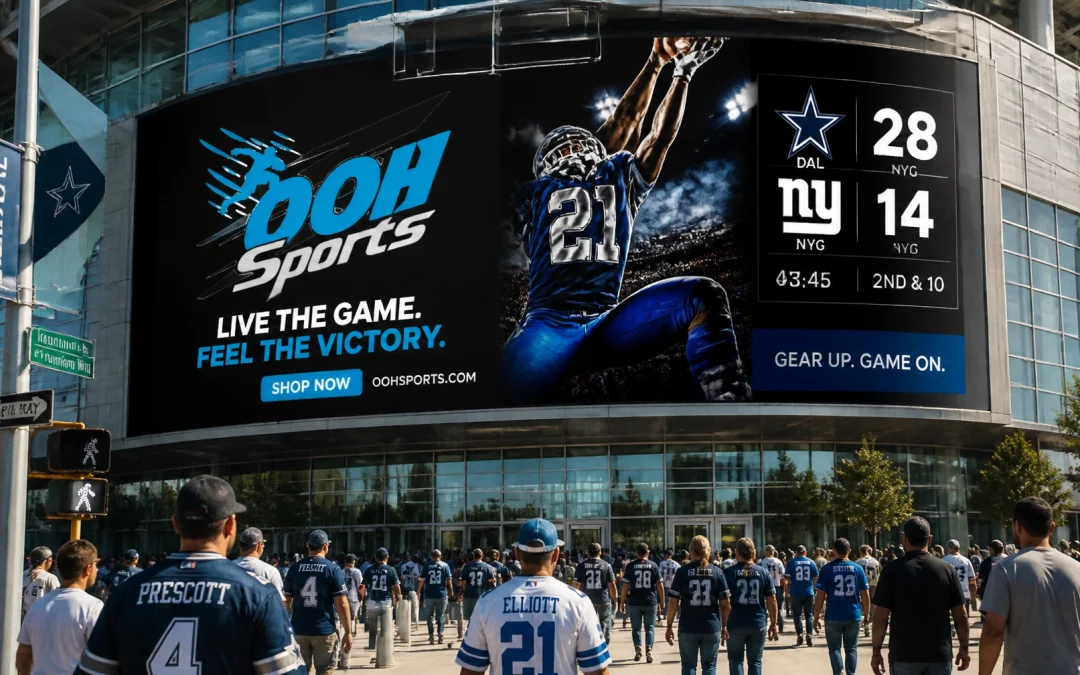
Digital Out Of Home (DOOH) advertising has transitioned from static imagery to a sophisticated, data-driven ecosystem. In the realm of sports marketing, this shift provides brands with unprecedented opportunities to connect with fans at high-intensity moments. The challenge for media buyers and brand managers lies in navigating a landscape that is no longer confined to the physical walls of a stadium.
To achieve maximum impact, advertisers are increasingly turning to programmatic solutions that synchronize with the natural flow of a sports event. This approach ensures that messaging remains relevant, timely, and contextually aligned with the fan experience. The following ten insights provide a strategic framework for understanding how modern DOOH can elevate fan engagement and drive measurable campaign results.
1. The 24-Hour Fan Journey
Fan engagement does not begin or end with the blow of a whistle. Modern sports fans interact with their favorite teams and athletes throughout an entire day. A successful DOOH strategy maps out this journey, identifying key touchpoints from the morning commute to the post-game commute.
By placing advertisements along major transit routes, in neighborhood gathering spots, and near popular fan bars, brands can establish a persistent presence. This "always-on" mentality ensures that when the game finally begins, the audience has already been primed by multiple brand impressions. For those looking to optimize their approach, understanding stadium perimeter targeting is essential for bridging the gap between external awareness and in-venue presence.
2. Programmatic Precision and Agility
Traditional out of home advertising often relied on long lead times and static placements. Programmatic DOOH (pDOOH) has changed this dynamic by allowing for flexible buying and real-time adjustments. Media planners can now activate screens based on specific triggers such as weather conditions, traffic patterns, or the status of a game.
This agility allows for "moment marketing," where a brand can increase its visibility precisely when fan excitement is at its peak. For example, a sports beverage brand might increase its screen frequency during a particularly intense overtime period or a championship final. This level of control ensures that advertising spend is allocated to the moments of highest potential ROI.
3. Real-Time Data Integration
The integration of live data feeds into DOOH creative is one of the most significant advancements in the industry. Screens can now display live scores, countdowns to kick-off, or updated player statistics. This transformation turns a standard billboard into a utility for the fan, providing valuable information while simultaneously delivering a brand message.
When a screen provides a live update on a close game, it naturally draws the eye of every fan in the vicinity. This creates a high-attention environment for the accompanying advertisement. This technology is particularly effective for betting platforms that need to display real-time sports betting odds to drive immediate action from their target demographic.
4. High-Impact Transit Placements

Transit environments such as bus shelters, subway stations, and train platforms offer a unique advantage: dwell time. Unlike roadside billboards that are often seen for only a few seconds, transit DOOH captures a captive audience. On game days, these hubs are filled with fans traveling to and from the venue, providing a concentrated pocket of the desired demographic.
These placements are ideal for detailed messaging or interactive calls to action. A campaign that starts at a suburban train station and follows the fan through the subway system creates a narrative arc that builds anticipation. By the time the fan reaches the stadium, the brand has become a familiar part of the match-day ritual.
5. The Power of Omnichannel Priming
DOOH does not operate in a vacuum. It is most effective when used as a "priming" tool for other digital channels. Research indicates that consumers are more likely to engage with a mobile ad or a social media post if they have recently been exposed to the same brand on a large-format outdoor screen.
In a sports context, this might involve coordinating DOOH placements with connected TV (CTV) advertisements. A fan who sees a brand on a digital board near the stadium and later sees a commercial during the broadcast experiences a unified brand story. This multi-screen consistency has been shown to significantly increase brand recall and purchase consideration.
6. Bridging the Physical and Digital

Interactive DOOH serves as a portal into a brand's digital ecosystem. By incorporating QR codes, NFC triggers, or short codes, advertisers can transition a fan from a passive observer to an active participant. In-stadium kiosks and concourse screens are perfect locations for these interactions.
These touchpoints can be used for various engagement tactics:
- Directing fans to a mobile app to claim an exclusive game-day discount.
- Encouraging participation in a real-time fan poll or contest.
- Providing an on-ramp for augmented reality (AR) experiences that can be viewed on the fan's smartphone.
- Facilitating instant merchandise purchases through "phygital" retail integrations.
This bridge between physical and digital worlds allows brands to collect valuable first-party data while providing immediate value to the fan.
7. Dynamic Creative Optimization (DCO)
Dynamic Creative Optimization allows advertisers to serve different versions of an ad based on external data. In sports, the creative can change automatically based on which team is winning, the current temperature, or even the location of the screen.
If the home team wins, the DOOH network can instantly switch to celebratory creative featuring the final score. If the game is delayed due to rain, the creative can pivot to promote indoor activities or stadium concessions. This relevance ensures that the ad never feels out of place or "stale," which is critical for maintaining fan attention in a fast-paced environment.
8. Strategic Location Proximity

Location is the cornerstone of OOH, but in the modern era, "proximity" is defined more precisely. Brands are now targeting the "perimeter" around sports venues, often up to 10 miles. This includes the bars, restaurants, and retail centers where fans gather before and after the main event.
Targeting these "third places" allows brands to capture fan attention in a more relaxed, social environment. For those planning a high-budget campaign, it is vital to understand that DOOH sports advertising will hit $50 billion by 2030. Securing prime locations in these high-traffic proximity zones is a key strategy for capturing a share of that growing market.
9. Audience Segmentation and Targeting
Advancements in mobile location data have allowed DOOH providers to offer more granular audience targeting. Advertisers can now select screens that over-index for specific fan segments, such as "avid football fans," "fantasy sports enthusiasts," or "high-income season ticket holders."
By moving away from broad-reach tactics and toward audience-based buying, brands can reduce waste and increase the efficiency of their media spend. This data-driven approach ensures that the message is reaching the individuals most likely to convert, rather than just anyone who happens to be walking past a screen.
10. Post-Game Retention and Re-engagement

The period immediately following a game is a high-emotion window that many brands overlook. Using Sportrons and other digital displays on the exit routes can keep the conversation going. Post-game creative that highlights "player of the match" stats or provides a "see you at the next home game" message maintains the connection.
This stage of the journey is also an excellent time to redirect fans to online platforms for post-game highlights or jersey sales. By maintaining a presence as fans decompress and head home, a brand solidifies its position as a supporter of the fan experience rather than just a commercial interloper.
When comparing tactics, it is clear that programmatic DOOH delivers a better ROI for sports marketing than traditional static methods, primarily due to this ability to target specific moments in the fan lifecycle.
Strategic Execution in the DOOH Landscape
The transition toward digital and programmatic outdoor advertising requires a shift in how campaign success is measured. Instead of focusing solely on impressions, brands must look at engagement metrics, brand lift studies, and attribution data. By utilizing the 10 insights outlined above, media planners can construct a campaign that is not only visible but truly resonant with the sports audience.
Success in this field is defined by the ability to blend technology with creative strategy. As the technology continues to evolve, the brands that thrive will be those that view DOOH not as a digital version of a poster, but as a dynamic, interactive, and integral part of the sports culture.