
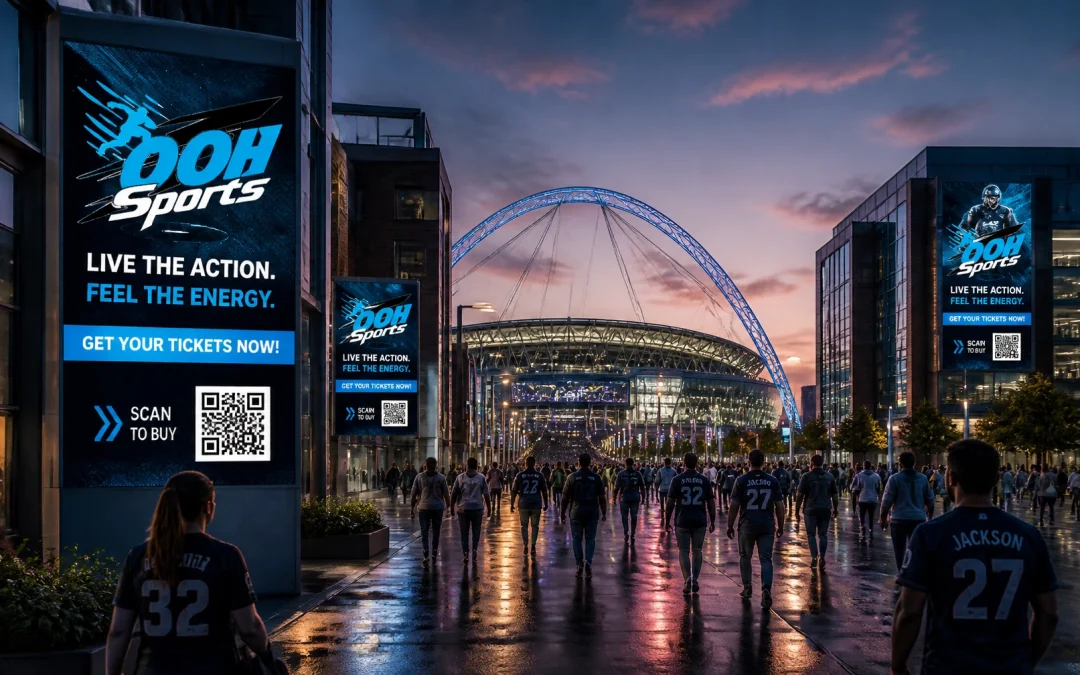
Digital Out of Home (DOOH) advertising has evolved far beyond static imagery. For brands looking to capture the attention of sports fans, the opportunity lies in the intersection of physical location and digital agility. Sports fans are a unique demographic, characterized by high emotional engagement and predictable movement patterns around game days.
By leveraging programmatic DOOH and high-impact digital screens, brands can integrate themselves into the fan experience without being intrusive. The key is to move from general broadcasting to contextual relevance. This guide explores seven innovative ways to use sports-focused DOOH to drive brand lift and measurable consumer action.
1. The 10-Mile Stadium Halo Strategy
The most effective way to reach a sports audience is to dominate the physical path they take to the arena. Establishing a 10-mile radius around a stadium allows a brand to create a "halo effect." This involves securing inventory on all digital screens within that perimeter, including roadside billboards, transit shelters, gas pumps, and retail screens.
Strategy and Execution
This approach maps the fan journey from the moment they leave home to the moment they enter the gates. Programmatic buying allows for the activation of these screens only during peak game-day hours, ensuring that the budget is concentrated when impressions are most valuable.
- Transit Hubs: Use screens in train stations or bus stops to display "Game Day Starts Here" messaging.
- Retail and Grocery: Target fans picking up supplies with ads for beverages or snacks.
- Gas Pumps: Capture the attention of fans driving to the game with short-form video content.
By maintaining a consistent presence across the entire 10-mile zone, the brand becomes a persistent part of the pre-game ritual.
2. Real-Time Score and Momentum Triggers
Static ads often feel disconnected from the energy of a live game. Dynamic Creative Optimization (DCO) allows brands to automate their messaging based on real-time data feeds. When a specific event happens in the game, the creative on the street changes instantly to reflect it.

Objective and Strategy
The objective is to synchronize the brand's voice with the fan's emotional state. If the home team scores, the nearby screens can flip to a celebratory message. If the game is in a tense final minute, the creative can pivot to high-energy, suspenseful visuals.
- Live Scoreboards: Integrate the current score into the ad layout.
- Performance Triggers: Set rules where a "Home Run" or a "Touchdown" triggers a specific promotional offer valid for the next hour.
- Dynamic Odds: For betting brands, displaying live, shifting odds keeps the content fresh and actionable.
This level of responsiveness ensures that the advertising is never stale and always relevant to what the audience is currently discussing.
3. Weather-Responsive Creative Content
Outdoor sports are heavily influenced by the elements, and advertising should be as well. Programmatic DOOH platforms can use weather triggers to serve different creative variations based on local conditions at the screen's location.
Technology and Logistics
Brands can develop multiple creative assets for a single campaign and set "if/then" logic within the buying platform.
- Temperature Triggers: When the temperature exceeds a certain threshold, the campaign can prioritize ads for cold beverages or sun protection.
- Rain Triggers: If a downpour begins, the messaging can shift to promote indoor post-game venues, rain gear, or warm comfort food.
- Wind and Visibility: For sports like golf or racing, environmental data can be used to make clever, contextual references that resonate with enthusiasts.
Using weather-responsive triggers shows a level of brand awareness that standard outdoor ads cannot match, making the message feel helpful rather than just promotional.
4. Mobile Retargeting and the "Second Screen" Loop
One of the most powerful aspects of modern DOOH is its ability to interact with the mobile devices in people's pockets. By using anonymized device IDs, brands can identify who was in the vicinity of a specific digital board and retarget them with digital ads later.

Strategy for Attribution
This tactic bridges the gap between high-level brand awareness and direct-response performance.
- Exposure: A fan sees a high-impact ad on a large-format screen near the stadium.
- Identification: The platform notes the device IDs that were exposed to the ad during the campaign window.
- Retargeting: Those same users receive a mobile display ad or a social media prompt later that evening or the following day.
- Conversion: The mobile ad includes a direct link to an e-commerce store or a loyalty app, completing the funnel.
In a recent study involving programmatic DOOH for a beverage launch, this type of omnichannel approach led to a 74 percent lift in purchase consideration. Detailed analytics can be found on the OOH Sports case study page.
5. Gamification Through QR Connectivity
Interaction is the key to memorability. By placing large, scannable QR codes on DOOH screens, brands can turn a passive viewing experience into an active engagement. In the context of sports, this is often tied to exclusive access or rewards.
Tactics for High Dwell-Time Areas
QR codes work best where fans have a moment to stop, such as transit platforms, sports bars, or stadium concourses.
- Seat Upgrades: "Scan here to win a move to the front row."
- Instant Coupons: "Every goal means a discount code. Scan now to claim."
- Fan Polling: Display live poll results on the board as fans vote via their mobile devices.
This strategy provides the advertiser with immediate, measurable engagement data, allowing for a clear understanding of which locations and creative versions are driving the most interaction. More on these interactive formats can be seen in the Sportrons section of the company website.
6. Social Hub and Sports Bar Takeovers
Not every fan is inside the stadium. Thousands gather in the "outer ring" of sports bars and restaurants to watch the game. These environments offer high dwell times, often exceeding two hours, providing a captive audience for more detailed brand stories.

Objective and Execution
The strategy here is to become the "Official Partner" of the watch party. By utilizing place-based DOOH within these venues, brands can maintain a constant presence during the game's biggest moments.
- Branded Overlays: Place brand frames or logos around live game highlights on the venue's digital screens.
- Direct-to-Table Offers: Use the screens to promote specials that can be ordered right at the bar.
- User-Generated Content: Display fan photos from social media (tagged with a specific hashtag) on the bar's screens, sponsored by the brand.
This tactic leverages the social nature of sports, placing the brand at the center of the community conversation.
7. Post-Game "Outcome-Based" Celebrations
The emotional peak for a fan occurs immediately after the final whistle. Brands can capitalize on this by preparing two sets of creative: one for a win and one for a loss (or a neutral message).
Results-Oriented Delivery
As soon as the game concludes, the entire 10-mile perimeter can be updated to reflect the outcome.
- The "Victory" Board: After a win, all screens flip to celebratory messaging. "We Won! Celebrate with a free appetizer at [Partner Name]."
- The "Support" Board: In the event of a loss, the tone shifts to solidarity. "Tough game. We will get them next time. Grab a drink on us."
- Conditional Redemption: Fans are instructed to show a specific screen capture or scan a code that only becomes active upon a victory.

This level of agility is only possible through programmatic DOOH, which allows for instant content swaps across hundreds of screens simultaneously.
Measuring the Impact of Sports DOOH
The success of these innovative strategies is backed by rigorous data. Traditional OOH was often difficult to measure, but modern DOOH provides deep insights into audience movement and brand lift.
- Brand Image Lift: Campaigns using dynamic, sports-specific creative have seen up to a 119 percent lift in positive brand image.
- Purchase Consideration: By targeting fans during high-intent windows, brands have achieved increases in purchase consideration of over 144 percent.
- Footfall Attribution: Using location data, advertisers can track how many people who saw a stadium-area ad actually visited a retail location in the following days.
For more information on how these tactics are implemented, visit the OOH Sports marketing insights page.
Conclusion
Innovation in sports marketing is no longer just about who has the biggest logo in the stadium. It is about who has the smartest presence in the fan's journey. By combining the scale of out of home advertising with the precision of digital triggers and mobile retargeting, brands can ensure they are not just watching from the sidelines but are an active part of the game.
To explore more strategies for digital out of home advertising in the sports world, browse the OOH Sports blog.