
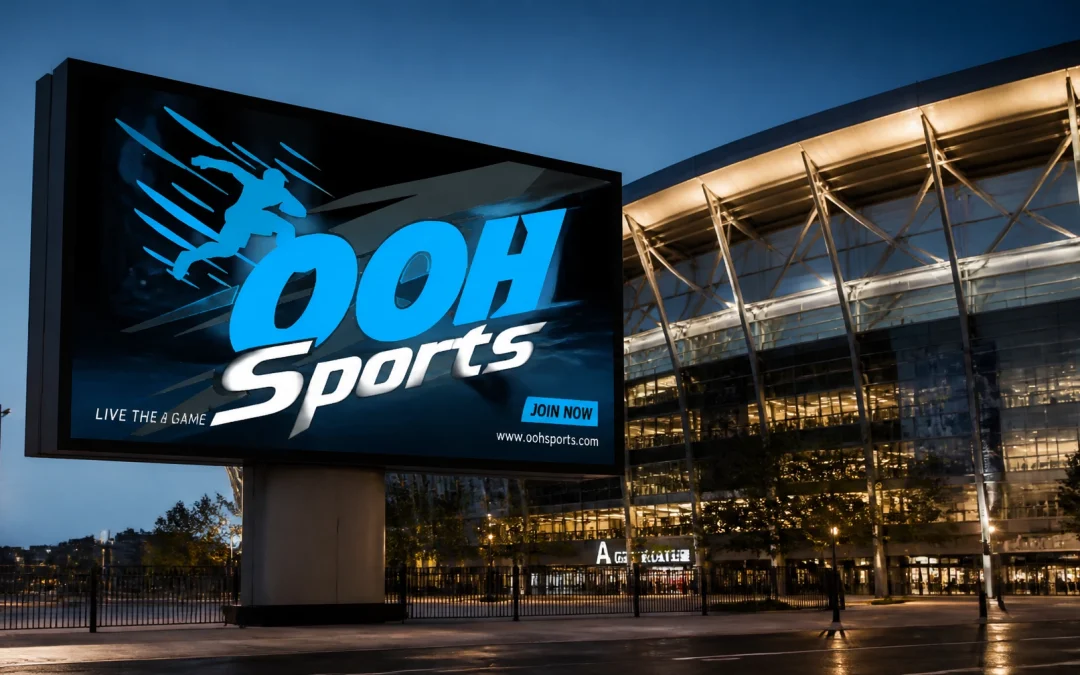
The landscape of sports advertising is undergoing a fundamental transformation. As traditional media consumption habits fragment, digital out-of-home (DOOH) advertising has emerged as a critical pillar for brands seeking to capture the attention of highly engaged sports fans. This shift is not merely a matter of moving from static to digital displays. It represents a sophisticated evolution in how brands interact with audiences in physical spaces. By 2030, sports-related DOOH advertising is projected to reach a market valuation of $50 billion, reflecting a significant reallocation of marketing budgets toward high-impact, data-driven visual media.
The Strategic Shift: From Presence to Precision
The traditional model of stadium advertising often relied on long-term sponsorships and static placements within the venue walls. While these methods provided brand visibility, they lacked the flexibility and targeting capabilities required in a modern digital ecosystem. Today, the focus has shifted toward audience-first planning. This methodology prioritizes the behavior and location of the fan rather than simply securing a fixed screen.
Industry data indicates that approximately 67% of media planners are shifting their budgets toward programmatic DOOH by 2026. This transition is fueled by the desire for more agile campaign management and the ability to synchronize messaging across multiple digital touchpoints. By leveraging real-time data, advertisers can now ensure that their creative content reaches the right audience at the most impactful moments, whether that is during a pre-game commute or a post-win celebration.
Objective and Strategy: The 10-Mile Radius Framework
A primary objective for modern sports campaigns is to establish a dominant presence in the immediate vicinity of major arenas and stadiums. Research into fan behavior suggests that the sports experience begins long before the first whistle and continues well after the final play. Consequently, an effective DOOH strategy must extend beyond the stadium interior.
The 10-mile perimeter strategy is designed to capture the entire fan journey. This approach involves activating a network of digital screens within a 10-mile radius of a sports venue. This includes:
- Large-format digital billboards on major transit corridors leading to the venue.
- Street-level signage and urban panels in high-traffic pedestrian zones.
- Transit hub displays in metro stations, airports, and bus terminals.
- Place-based screens in sports bars, restaurants, and retail centers frequented by fans.
By surrounding the venue with consistent messaging, brands can achieve a high frequency of exposure that builds momentum as fans approach the arena. This hyper-local targeting ensures that the brand remains top-of-mind during peak emotional engagement.

Technology Partners: The Rise of Programmatic DOOH
The ability to execute complex, multi-location campaigns is made possible through advanced technology partners. Programmatic DOOH (pDOOH) platforms and Demand-Side Platforms (DSPs) have revolutionized the buying process. Instead of manual negotiations for individual screens, media buyers can now access vast networks of inventory through automated systems.
Strategic collaborations with platforms like StackAdapt have streamlined the integration of DOOH into omnichannel campaigns. These technology stacks allow for:
- Dynamic Creative Optimization: Content can be adjusted in real-time based on game scores, weather conditions, or local events.
- Flexible Flighting: Campaigns can be scaled up or down instantly, allowing brands to respond to breaking sports news or unexpected team performance.
- Audience Overlay: Data segments can be applied to programmatic buys to target specific fan demographics, such as sports bettors, apparel shoppers, or season ticket holders.
This technical infrastructure provides the precision necessary to avoid the common mistakes made in sports DOOH campaigns, such as poor timing or irrelevant creative.
Execution: Real-Time Activation and Dynamic Triggers
The effectiveness of DOOH in the sports vertical is often tied to its ability to be "of the moment." Traditional advertising is frequently static, but sports are inherently dynamic. Modern execution involves using data triggers to automate creative changes.
For example, a sports betting brand may use programmatic triggers to update live odds on digital boards across a city just minutes before a game starts. Similarly, an apparel brand might trigger "congratulations" messaging across the 10-mile stadium perimeter immediately following a home team victory. This level of responsiveness creates a "smooove" transition between the live event and the brand's messaging, enhancing the perceived relevance of the advertisement.
Strategic execution also involves dayparting. Advertisers can weight their spend toward the hours leading up to an event when fan traffic is at its peak, and then pivot to different messaging or lower frequency during off-peak times. This ensures maximum efficiency and ROI for every dollar spent.

Results: Quantifying the Impact on Brand Performance
The primary measure of success for any DOOH campaign is its ability to drive measurable results. Modern measurement methodologies have moved beyond simple "opportunity to see" metrics to focus on actual brand lift and behavioral shifts.
Case studies demonstrate the significant impact of well-executed programmatic DOOH. For instance, White Claw's vodka launch campaign achieved a 74% lift in purchase consideration through strategic DOOH placement. In the beverage category, brands have also seen significant increases in positive brand image, sometimes exceeding 119% after exposure to targeted digital signage.
The use of mobile device IDs allows for sophisticated attribution modeling. By tracking devices that have been exposed to specific DOOH screens, marketers can determine if those individuals subsequently visited a retail location, downloaded an app, or visited a website. This closed-loop measurement provides the data-backed evidence required by CMOs to justify larger investments in the OOH space.
Integration with Mobile and CTV
In 2026 and beyond, DOOH is rarely a standalone channel. It functions most effectively as the physical "spine" of an omnichannel strategy. When fans are exposed to a high-impact digital billboard near a stadium, they are more likely to engage with a retargeting ad on their mobile device or a related advertisement on Connected TV (CTV) later that evening.
The synergy between DOOH and mobile is particularly potent. Fans are almost universally "second-screening" during games. A brand that appears on the large screens surrounding the stadium and then follows up with a well-timed mobile notification or social media ad creates a cohesive and immersive brand experience. This multi-layered approach ensures that the brand message is reinforced across all stages of the fan journey.

Future Outlook: The Path to 2030
The future of DOOH in the sports industry is characterized by increased connectivity and even greater precision. As DOOH sports advertising continues its trajectory toward $50 billion by 2030, several trends will likely define the next decade:
- Hyper-Contextual AI: Artificial intelligence will be used to analyze crowd density and sentiment in real-time, adjusting creative tones to match the atmosphere of the venue.
- Sustainability: Digital screen technology is evolving to be more energy-efficient, aligning with the sustainability goals of both brands and sports leagues.
- Unified Measurement Standards: The industry is moving toward more standardized metrics for cross-channel attribution, making it easier to compare DOOH performance directly with digital and social media.
The 2026 calendar, featuring global events like the FIFA World Cup and the Olympics, will serve as a massive testing ground for these innovations. Brands that have established their programmatic infrastructure and mastered the 10-mile perimeter strategy will be best positioned to capitalize on these global moments.

Conclusion
The digital out-of-home sports network represents one of the most effective ways to reach a focused and passionate audience. By moving away from static, broad-reach tactics and embracing programmatic, audience-first strategies, brands can achieve unprecedented levels of impact and attribution. Whether through a 74% lift in purchase consideration or by dominating the 10-mile radius around a critical championship game, DOOH is the modern storyteller for the sports world. Success in this space requires a blend of creative excellence, technological fluency, and a relentless focus on the data that drives fan behavior.