
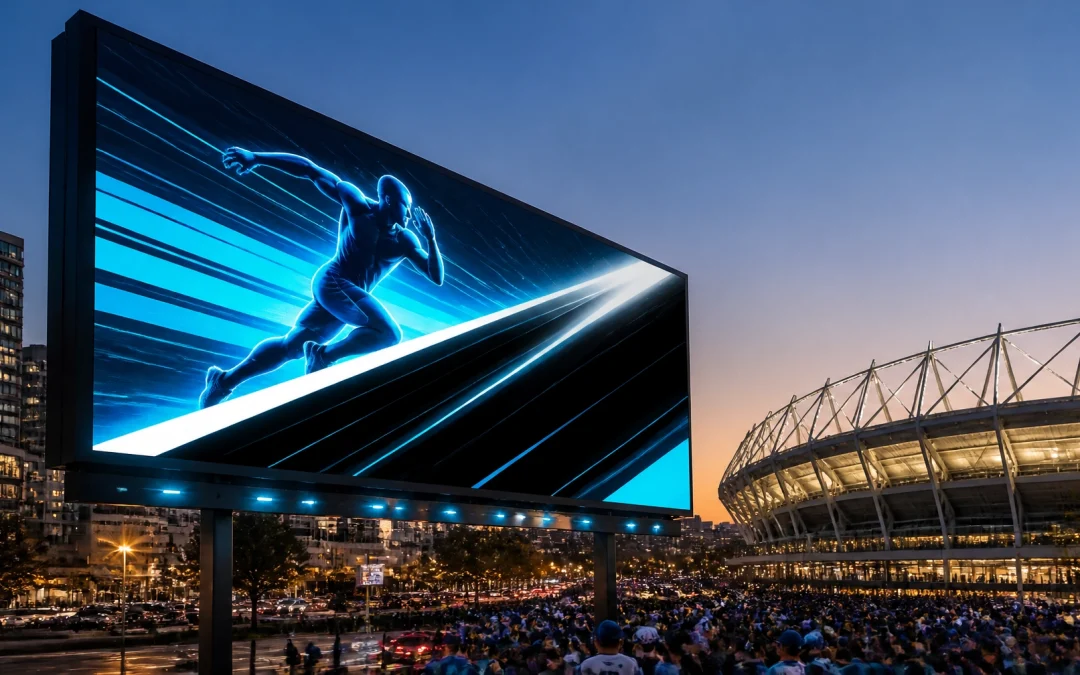
The landscape of sports marketing is undergoing a significant transformation. For decades, the gold standard for reaching sports fans was a combination of television spots and static signage inside the stadium. However, the modern fan journey is no longer confined to the seats of an arena or the broadcast of a game. It is a fragmented, multi-channel experience that begins hours before kickoff and continues long after the final whistle. This shift has necessitated a new approach to advertising, one that prioritizes digital out of home (DOOH) innovation to build meaningful connections with audiences in the physical world.
The integration of technology into outdoor advertising has turned what was once a passive medium into a dynamic, data-driven engine for brand growth. By leveraging programmatic platforms and real-time data, marketers can now reach fans with precision and scale. This evolution is not just about placing a logo on a screen. It is about participating in the cultural moment that sports represent.
The Evolution of Fan Connection
The traditional model of sports advertising relied heavily on high-reach, low-relevance placements. Brands would purchase static billboards or concourse signage that remained unchanged for an entire season. While this provided visibility, it lacked the ability to respond to the fluctuating emotions and behaviors of the fan base. In the current environment, fans are constantly connected through their mobile devices, checking scores, betting on outcomes, and sharing content on social media.
Innovation in DOOH allows brands to bridge the gap between digital intent and physical presence. Instead of a one size fits all message, advertisers can deploy creative content that shifts based on the context of the environment. This methodology ensures that a brand remains relevant whether a fan is commuting to the game, grabbing a drink at a local bar, or walking through a high-traffic retail corridor near the venue.
The Perimeter Strategy: Dominating the 10-Mile Zone
One of the most effective strategies in modern sports DOOH is the implementation of a perimeter-based approach. OOH Sports focuses on a 10-mile radius around major sports venues to capture fans at peak moments of engagement. This zone is critical because it represents the highest concentration of sports-minded consumers in a specific geographic area.
By saturating this perimeter with digital video boards, a brand can establish a dominant presence during the entire event day. This strategy is particularly effective for reaching media buyers and brand managers who seek to maximize ROI by targeting a specific audience segment rather than a broad, undefined demographic. The use of Sportrons and other digital assets ensures that the brand message is seen in the right place at the right time.

Objective and Strategy: Mapping the Fan Journey
The objective of a modern DOOH campaign is to accompany the fan throughout their entire journey. This process begins with pre-game anticipation, where fans are traveling toward the stadium or gathering in transit hubs. During this phase, messaging can focus on awareness and excitement. As the game approaches, the strategy shifts toward tactical activations, such as directing fans to nearby retail locations or promoting limited-time offers.
Post-game engagement is equally vital. After the event, fans often congregate in restaurants and bars to celebrate or decompress. Advertisers can utilize these locations to reinforce brand preference or introduce loyalty programs. This lifecycle approach ensures that the brand is not just a background element but an active participant in the fan's day.
Strategic planning involves identifying the specific touchpoints where fans are most likely to be receptive. This includes gym networks for fitness brands, sports bars for beverage companies, and transit centers for travel or apparel brands. The goal is to create a seamless narrative that follows the fan across multiple environments.
Technology Partners: The Rise of Programmatic DOOH
The backbone of innovation in this space is programmatic technology. The ability to buy and optimize DOOH inventory in real-time has changed the way media planners view the medium. Partnerships with specialized platforms, such as StackAdapt, allow for highly targeted and automated campaign execution.
Programmatic DOOH provides several advantages over traditional methods. It offers flexibility in budgeting, the ability to pause or adjust campaigns based on performance, and access to a wide array of screens through a single interface. Furthermore, it enables the use of audience data to inform placement decisions. For example, a brand can choose to trigger ads only when a specific density of sports fans is detected in a particular area.
This data-driven approach removes much of the guesswork from outdoor advertising. Instead of hoping the right people see a billboard, brand managers can use concrete evidence to ensure their message is reaching the intended audience. This level of precision is why programmatic DOOH vs traditional stadium ads often delivers a higher return on investment.

Strategic Execution: Real-Time Triggers and Dynamic Creative
One of the most compelling aspects of DOOH innovation is the use of dynamic creative. This involves using external data feeds to change the content of an ad in real-time. In the context of sports, this can include live game scores, countdowns to kickoff, or even weather conditions.
If a home team scores a touchdown, a nearby digital board can immediately update to display a congratulatory message from a sponsoring brand. If the weather turns cold, an apparel brand can switch its creative to feature jackets and hoodies. These real-time adjustments significantly increase the relevance of the ad, leading to higher recall and engagement.
Execution also involves the use of geofencing. By creating a virtual boundary around a stadium, advertisers can capture the device IDs of fans as they enter the area. This allows for subsequent retargeting on mobile devices, creating a multi-screen experience that reinforces the message long after the fan has left the vicinity of the billboard.
Measuring Success: From Device IDs to Brand Lift
The primary challenge of traditional out of home advertising was measurement. However, modern DOOH has solved this through sophisticated attribution models. By exposing a group of consumers to a DOOH ad and then tracking their subsequent behaviors, brands can quantify the impact of their campaigns.
Measurement metrics often include:
- Brand Lift Studies: Surveys that measure changes in brand awareness, perception, and purchase intent among exposed audiences.
- Device IDs Exposed: The number of unique mobile devices that were in the vicinity of a DOOH screen during the campaign.
- Foot Traffic Attribution: Tracking whether exposed consumers visited a specific retail location or venue after seeing the ad.
- Online Conversion Tracking: Linking DOOH exposure to website visits, app downloads, or online purchases.
Case studies demonstrate the effectiveness of these methods. For instance, a programmatic DOOH campaign for White Claw resulted in a 74 percent lift in purchase consideration. Similarly, campaigns for other major brands have shown significant increases in positive brand image and purchase intent. These results provide the hard data that chief marketing officers and media buyers need to justify their advertising spend.

Conclusion: The Future of Sports Marketing
The future of sports marketing lies in the ability to merge the physical and digital worlds. As DOOH technology continues to advance, the opportunities for innovation will only grow. Brands that embrace programmatic buying, dynamic creative, and perimeter-based strategies will find themselves at a distinct advantage when it comes to connecting with fans.
OOH Sports provides the necessary infrastructure to execute these complex, high-impact campaigns. By focusing on the 10-mile zone around stadiums and utilizing the latest in DOOH technology, the company helps brands become a part of the fan experience in a way that is both meaningful and measurable. The era of static, uninspired sports advertising is ending. In its place is a more intelligent, responsive, and effective way to connect with the most passionate audiences in the world.
For more information on how to scale a brand within the sports ecosystem, explore our case studies or contact the team to discuss your next campaign.