
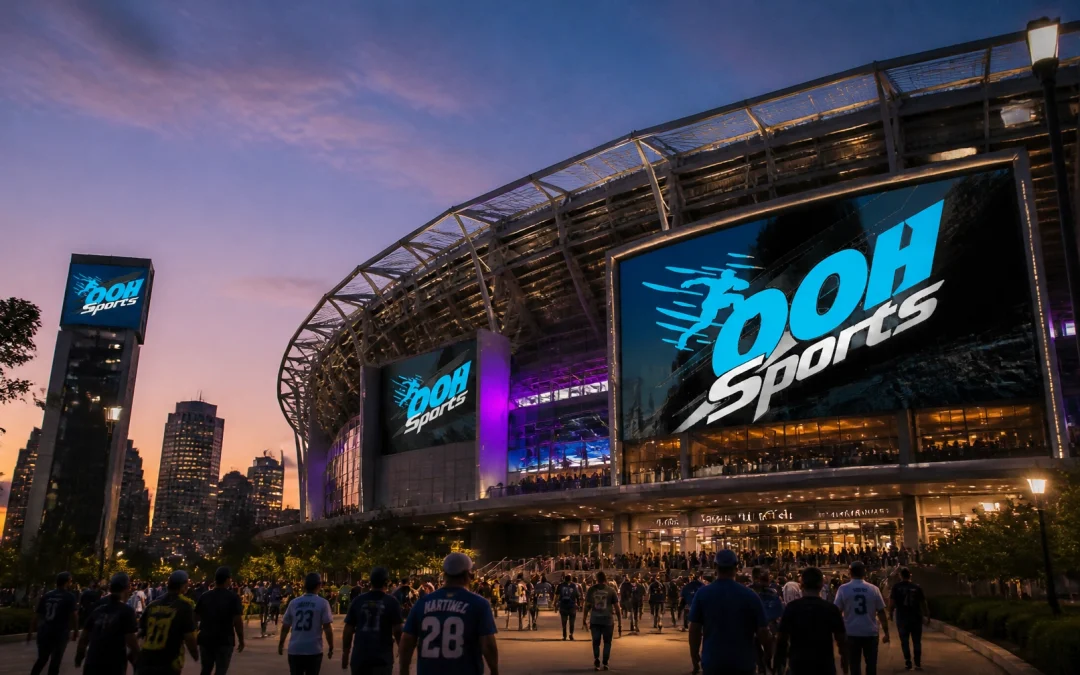
Digital Out-of-Home (DOOH) advertising has transformed the landscape of sports marketing. As traditional advertising channels face increasing fragmentation, the ability to reach fans in the physical world during high-emotion moments has become a critical component of any comprehensive media plan. This guide provides an analytical overview of the strategies, technology, and measurable outcomes associated with the OOH Sports network.
Sports DOOH is more than just a digital billboard. It represents a sophisticated, data-driven ecosystem that intercepts the fan journey at every major touchpoint. From the morning workout at the gym to the pre-game commute and the final whistle at the local sports bar, DOOH ensures brand presence is consistent and contextually relevant.
Objective and Strategy: The Fan Journey
The primary objective of a sports-focused DOOH campaign is to achieve high-frequency exposure within a specific geographic and emotional window. This is accomplished through a tiered perimeter strategy that concentrates advertising spend where fans are most active.
The 10-Mile Perimeter
Strategic placement begins with a 10-mile radius around major stadiums and arenas. This area captures the broad movement of fans as they travel toward the venue. By utilizing highway signs and urban panels, brands can establish an early connection with an audience in a heightened state of anticipation.
Hyper-Local Targeting
Within a three-mile radius of the venue, the strategy shifts toward hyper-local engagement. This zone focuses on high-dwell environments such as bars, casual dining restaurants, and Quick Service Restaurants (QSRs). At this proximity, fans are often making immediate purchasing decisions regarding food, beverages, and fan gear.

Technology Partners and Programmatic Capabilities
The shift from static OOH to programmatic DOOH (pDOOH) has introduced a level of flexibility previously reserved for online advertising. OOH Sports utilizes advanced marketing technology to deliver precise, automated campaigns.
Programmatic Agility
Media buyers can now leverage real-time bidding to secure inventory exactly when it matters. This allows for campaigns to be scheduled exclusively for game days, maximizing the relevance of the message and minimizing waste.
CPM-Based Pricing
Pricing models have evolved to offer greater transparency and scalability. Current rates typically range from $5 to $30 CPM, depending on the location, screen quality, and expected foot traffic. This allows brand managers to scale investments based on specific campaign performance goals.
Rainout Protection
One of the most innovative features of the OOH Sports network is the automatic rainout protection. For outdoor venues, campaigns are programmed to pause automatically if a game is canceled due to weather. This ensures that the advertising budget is only deployed when the intended audience is actually present, providing a significant safeguard for marketing investments.
The OOH Sports Network Infrastructure
The effectiveness of DOOH is directly linked to the variety and quality of the screens within the network. OOH Sports provides access to a diverse array of digital video advertising boards across several key categories.
- Social Hubs: Thousands of sports bars and casual dining establishments where fans gather to watch away games or socialize before home games.
- Transit and Commute: High-traffic areas including transportation hubs, urban panels, and highway signs that capture fans in motion.
- Fitness and Wellness: Gyms and fitness centers where health-conscious sports enthusiasts maintain their daily routines.
- Office and Urban: Digital screens in office buildings and high-density urban areas that reach professionals during their workday.
- Sportrons (In-Stadium): For direct engagement, the Sportrons network provides access to digital screens located inside stadiums and arenas, including concourses and food court areas.

Campaign Execution and Dynamic Creative
Successful execution requires a combination of strategic placement and dynamic content. Digital screens allow for Sports Marketing Innovation through Dynamic Creative Optimization (DCO).
Dynamic Creative Optimization
DCO allows the content of an ad to change automatically based on external data feeds. In a sports context, this can include real-time score updates, countdowns to the start of a match, or weather-triggered messaging. If a local team is winning, the creative can shift to a celebratory message, significantly increasing brand affinity.
Multi-Screen Synergy
Data indicates that 56% of fans use a second screen while watching sports. DOOH acts as the "connective tissue" in an omnichannel strategy. By exposing a consumer to a high-impact digital screen in a public space, brands see a marked increase in the effectiveness of mobile and social retargeting efforts. Device IDs exposed to a DOOH screen can be re-engaged with a follow-up offer on their personal devices, driving a direct path to conversion.

Quantifiable Results: Case Study Analysis
The efficacy of the OOH Sports network is supported by rigorous case study data and brand lift studies. These metrics demonstrate the impact of DOOH across various product categories.
White Claw: Driving Purchase Consideration
During the launch of a new vodka product, White Claw utilized a programmatic DOOH campaign to target specific urban centers and fan hubs. The campaign resulted in a 74% lift in purchase consideration. By focusing on high-traffic areas near social venues, the brand successfully moved consumers from awareness to intent.
Mike’s Hard Iced Tea: Enhancing Brand Image
AB InBev’s Mike’s Hard Iced Tea executed a campaign designed to improve brand perception among active sports fans. The results showed a 119% lift in positive brand image. The use of vibrant, high-definition video on large-format screens helped to associate the product with the energy and excitement of live sports.
Sea-Doo: Full-Funnel Impact
In its first digital OOH campaign, Sea-Doo aimed to reach outdoor enthusiasts near sports venues. The campaign achieved a 144% increase in purchase consideration. This significant jump illustrates the power of reaching a niche audience in an environment that aligns with their lifestyle and interests.
| Metric | Brand | Result |
|---|---|---|
| Purchase Consideration | White Claw | 74% Increase |
| Positive Brand Image | Mike's Hard Iced Tea | 119% Increase |
| Purchase Consideration | Sea-Doo | 144% Increase |
Measuring Success in 2026
Modern DOOH measurement has moved beyond simple impression counts. Advertisers now have access to sophisticated attribution models that link screen exposure to real-world actions.
- Brand Lift Studies: Surveys that measure changes in awareness, favorability, and intent among exposed audiences compared to a control group.
- Footfall Attribution: Using anonymized mobile location data to track whether individuals who saw a DOOH ad later visited a specific retail location or stadium.
- Digital Conversion Tracking: Measuring the increase in website visits, app downloads, or online searches following a DOOH campaign launch in a specific market.

Conclusion
Sports DOOH provides a unique opportunity for brands to transcend traditional advertising limits. By combining the emotional power of sports with the technical precision of programmatic digital screens, media buyers can deliver highly effective, measurable campaigns. The OOH Sports network offers the scale, targeting capabilities, and protection features necessary to succeed in a competitive marketing environment.
As the industry continues to innovate, the integration of real-time data and hyper-local execution will remain the cornerstone of effective sports marketing. Whether the goal is to drive awareness within a 10-mile stadium perimeter or to secure a 144% lift in purchase consideration, DOOH stands as a vital tool for the modern brand manager.