
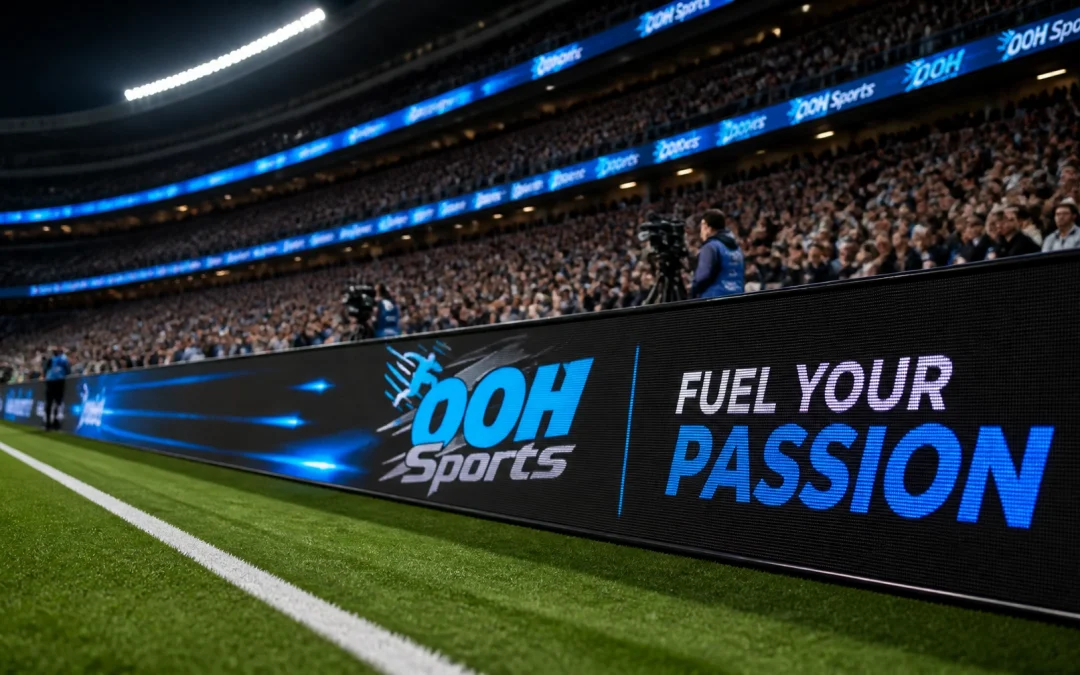
Fan engagement in the modern sports landscape is no longer a matter of simple visibility. As audiences become more fragmented across digital platforms, the challenge for creative directors and chief marketing officers is to maintain a cohesive brand presence that resonates during high-emotion moments. Many traditional sports marketing strategies fail to bridge the gap between the physical arena and the digital world, leading to missed opportunities for conversion and brand loyalty.
Stadium perimeter advertising, particularly when executed through a digital out of home (DOOH) network, provides a strategic solution to these common pitfalls. By integrating high-impact visuals with programmatic technology, brands can transform passive spectators into active participants. This article outlines seven critical mistakes currently hindering fan engagement and explains how stadium perimeter boards, supported by the OOH Sports network, can rectify them.
1. Treating Fans as Passive Spectators
One of the most prevalent errors in sports marketing is the assumption that fans are merely a passive audience. Traditional signage often focuses on static logo placement, which serves only to provide impressions without encouraging interaction. This approach fails to leverage the heightened emotional state of fans during a live event.
Stadium perimeter ads fix this by serving as interactive triggers. Digital boards can display dynamic calls to action, such as QR codes, social media hashtags, or live polls. When a brand invites a fan to participate in a "Man of the Match" vote or a "Scan to Win" contest directly from the pitch-side LED, the relationship shifts from broadcast to dialogue. This interaction strengthens the emotional bond between the fan and the organization, leading to higher brand recall and engagement rates.
2. Fragmented Omnichannel Presence
Marketing campaigns often suffer from a lack of synergy between in-stadium efforts and digital advertising. A fan might see a brand on the perimeter board but never encounter it again on their mobile device or social feed. This fragmentation dilutes the campaign’s impact and makes it difficult to move the consumer through the sales funnel.
The solution lies in a unified DOOH sports network strategy. By utilizing a 10-mile radius targeting perimeter around sports venues, brands can ensure their message follows the fan from the stadium to their home and everywhere in between. This programmatic approach allows for a synchronized presence across all digital video advertising boards in every category, creating a seamless brand experience that reinforces the message across multiple touchpoints.

3. Ignoring Hyper-Local Geographic Relevance
Many brands execute national campaigns that fail to account for the local context of a specific stadium or fan base. A generic message may feel out of place in a city with a deep-seated local culture or specific regional interests. This lack of relevance can make the brand appear disconnected from the community it is trying to reach.
Stadium perimeter ads allow for hyper-local customization. Through programmatic DOOH, creative can be swapped in real-time to reflect local trends, player milestones, or even regional weather conditions. Targeting the perimeter around a stadium ensures that the advertising is relevant to the local population, building authenticity and trust within the community.
4. Failing to Capture Second-Screen Attention
Data suggests that a significant majority of fans use a second screen, typically a smartphone, while watching a live game. Brands that focus solely on the primary broadcast feed or the physical stadium environment often lose the battle for the fan’s attention during breaks in play or slower moments of the game.
Digital perimeter boards are strategically positioned to remain in the field of vision during the primary broadcast and are frequently captured in social media highlights. This placement ensures that even when a fan looks away from the field to check their phone, the brand remains visible in the background of the content they are consuming. Integrating these boards with mobile retargeting creates a powerful feedback loop where the physical ad prompts a digital action.
5. Using Static and Unresponsive Creative
In an era of dynamic digital content, static billboards and traditional signage feel dated. A brand that uses the same creative for the entire duration of a season risks "creative fatigue," where fans stop noticing the message altogether. Furthermore, static ads cannot respond to the narrative of the game.
The transition to dynamic digital boards allows for real-time responsiveness. Creative assets can be programmed to change based on game events, such as a goal, a touchdown, or a half-time break. This "moment-based" advertising ensures that the brand remains part of the spectacle, enhancing the fan experience rather than interrupting it.

6. Neglecting the Game Day Perimeter for Community Building
Many sports marketing efforts focus on short-term sales rather than long-term community building. Missing the opportunity to drive fans toward loyalty programs or official fan clubs during the high-energy environment of game day is a significant strategic oversight.
Stadium perimeter advertising can be used specifically for loyalty and data capture. Prompts on the LED boards can encourage fans to join a "Members Club" for exclusive post-game content or discounts. By converting anonymous stadium attendees into known digital contacts, brands can maintain engagement throughout the off-season, which research shows can lead to a 40% increase in fan spending.
7. Lack of Measurable Attribution and Retargeting
The final and perhaps most critical mistake is the failure to measure the actual impact of stadium advertising. Traditionally, perimeter boards were sold based on estimated "eyes on" counts, which provided little insight into actual consumer behavior or conversion.
Modern stadium perimeter advertising leverages technology to solve the attribution puzzle. By identifying the device IDs of fans exposed to the perimeter ads, marketers can retarget these specific individuals with follow-up digital ads. This allow for the tracking of "brand lift" and "purchase consideration" metrics with precision. For example, campaigns utilizing these strategies have seen significant increases in brand preference and purchase intent, such as the White Claw DOOH campaign which reported a 74% lift in purchase consideration.
Strategy: Integrating Perimeter Ads into the Marketing Mix
The implementation of a successful stadium perimeter strategy requires a shift from traditional media buying to a more data-driven, programmatic approach. The strategy focuses on maximizing the "hero moments" of a sporting event while maintaining a consistent presence in the surrounding geographic area.
Objective & Strategy
The primary objective is to achieve high-impact brand awareness that translates into measurable digital engagement. The strategy involves:
- Deploying high-resolution creative across digital perimeter boards during peak game times.
- Utilizing geographic fencing to capture the attention of fans within a 10-mile radius of the arena.
- Integrating real-time game data to trigger specific creative assets.
- Executing a retargeting layer to reach exposed audiences on their mobile and desktop devices post-game.
Technology Partners
Execution of this sophisticated strategy relies on a robust technological infrastructure. OOH Sports collaborates with leading Demand-Side Platforms (DSPs) such as StackAdapt to facilitate programmatic buying. These platforms allow for precise targeting, automated bidding, and comprehensive reporting. Additionally, location data providers are utilized to verify audience exposure and facilitate the retargeting of device IDs across the broader digital ecosystem.

Results: Measured Impact of Stadium Perimeter Advertising
When these seven mistakes are addressed through a modern perimeter strategy, the results are quantifiable and significant. Case studies within the OOH Sports network have consistently demonstrated that integrating stadium boards with programmatic retargeting outperforms traditional static placement.
- Brand Image Lift: Campaigns have recorded up to a 119% lift in positive brand image by aligning messaging with the passion of live sports.
- Purchase Consideration: By utilizing the "omnichannel" approach, brands like Sea-Doo have seen purchase consideration increases as high as 144%.
- Engagement Rates: Interactive prompts on perimeter boards have been shown to drive a 3x increase in QR code scans compared to traditional out of home placements.
The success of these campaigns is rooted in the move away from passive broadcasting and toward an integrated, data-driven fan experience. By fixing these common mistakes, creative directors and CMOs can ensure their brand remains at the center of the sports conversation.
For more information on how to implement these strategies, explore the OOH Sports case studies or contact the team to discuss a custom stadium perimeter solution.