
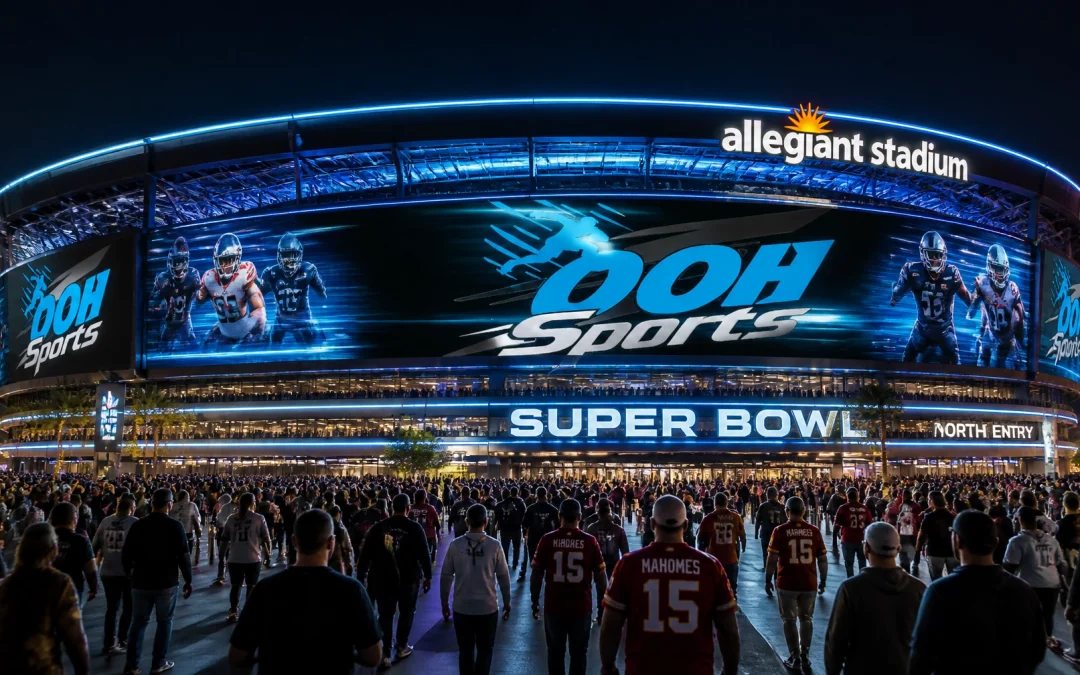
The arrival of Super Bowl 2026 marks a historic milestone in the world of sports marketing. For 40 consecutive years, one entity has maintained a steady presence in the advertising landscape surrounding the biggest game in American sports. This duration of leadership is not merely a testament to longevity but a reflection of a strategy that has evolved alongside the shift from traditional static boards to high-definition digital ecosystems.
As media buyers and planners prepare for the upcoming event, the conversation centers on how a four-decade streak of expertise translates into modern dominance. The current strategy for venue-wide coverage extends far beyond a single billboard or a television spot. It encompasses a comprehensive immersion that captures fan attention from the moment they approach the stadium until long after the final whistle.
Objective and Strategy
The primary objective for any brand entering the Super Bowl environment is to transcend the noise of a crowded marketplace. With national 30-second television spots reaching costs of approximately 10 million dollars, the strategic focus has shifted toward owning the physical and digital environment of the host city and the venue itself.
The strategy employed for 2026 centers on total environmental dominance. This is achieved by creating a perimeter of influence that extends up to 10 miles around the sports venue. By utilizing a network of digital video advertising boards, a brand is positioned to reach fans at every stage of their game-day journey. This includes transit routes, fan zones, and the immediate vicinity of the stadium. The goal is to ensure that the brand narrative is consistent, inescapable, and high-impact.
From Floors to Billboards: The Full-Venue Experience
Advertising in 2026 is no longer restricted to the walls of the stadium. The concept of venue-wide coverage has been redefined to include every possible touchpoint. This "floors to billboards" approach ensures that fan engagement occurs in places previously overlooked by traditional marketing.
Physical Integration and Floor Graphics
One of the most effective tactics in recent campaigns involves high-impact floor graphics. These visual elements are placed in high-traffic areas such as entrances, hallways, and near concession stands. Because fans often look down while navigating large crowds, floor branding provides a unique and uncluttered space for messaging.
Tangible Fan Experiences
Beyond visual displays, the strategy incorporates tangible fan experiences. High-touch concession platforms and specialized cup holders serve a dual purpose. They provide utility to the fan while maintaining brand visibility in a hand-held format. Campaigns like "Cup Holders for Charity" have shown that integrating a philanthropic element into these tangible touchpoints can significantly boost brand sentiment and engagement.

Technology Partners and the Sporttron Network
The backbone of this 40-year streak is the proprietary Sporttron digital network. This technology provides access to the ribbon boards and jumbotrons of over 780 venues nationwide. In the context of the Super Bowl, this means a brand can synchronize its messaging across the massive LED displays that encircle the arena.
Programmatic DOOH Execution
The use of programmatic Digital Out-of-Home (DOOH) technology allows for real-time adjustments and precise targeting. Media planners can deploy creative assets based on live game triggers, weather conditions, or crowd density. This level of agility ensures that the advertising remains relevant throughout the duration of the event.
Data-Driven Insights
Measurement and attribution remain critical for Chief Marketing Officers and Brand Managers. The 2026 strategy relies on predictive modeling and fan sentiment analysis to prove ROI. By tracking device IDs exposed to the signage and monitoring post-event purchase behavior, the impact of a campaign is quantified with precision.

Quantifiable Success in Sports Marketing
The effectiveness of these strategies is supported by data from recent high-profile campaigns. In a study of programmatic DOOH for a major beverage brand, there was a 74% lift in purchase consideration. Another campaign focused on sports-related beverages saw a 119% lift in positive brand image after utilizing venue-perimeter targeting.
Perhaps the most striking result comes from an outdoor recreation brand that increased its purchase consideration by 144% during its first digital OOH campaign. These numbers demonstrate that when a brand moves beyond the television screen and into the physical environment of the fan, the impact on the bottom line is substantial.
Beyond the Arena: NIL and Youth Sports Publishing
While the Super Bowl is the focal point, the 40-year leadership streak extends into the broader sports ecosystem. The integration of Name, Image, and Likeness (NIL) platforms has become a key component of a comprehensive campaign.
Leveraging Influencer Networks
By tapping into a network of over 20,000 authentic voices, brands can bridge the gap between stadium advertising and digital culture. Student athletes serve as powerful ambassadors who define culture for the next generation. Integrating these voices into a Super Bowl strategy provides a layer of authenticity that traditional celebrity endorsements often lack.
Youth Sports and Medical Travel
The reach of the sports marketing ecosystem also includes youth sports publishing and medical sports travel. By connecting with fans and athletes at home through specialized publications, a brand establishes a relationship that begins long before a professional game starts. This holistic approach ensures that the brand is associated with the entire sports journey, from the local field to the professional arena.

Strategy for Super Bowl 2026
The execution for 2026 is designed as a content engine. The environment is built to be visually stunning and easily shareable on social platforms. This creates a secondary wave of reach as fans capture and share their experiences at the venue.
Key tactics for the upcoming game include:
- Deployment of 25,000 digital screens across the sports network to ensure saturation.
- Utilization of AI-powered analytics to adjust creative in under 24 hours.
- Integration of real-time sports betting data into DOOH displays to drive immediate conversion.
- Maintaining a 10-mile digital perimeter around the host stadium to capture the full influx of fans and media.
Video: 40 Years of Advertising Leadership
To better understand the scale and history of this expertise, view the following presentation on the impact of sports media leadership.
https://www.youtube.com/watch?v=l6J-0zileKE
Conclusion
The 40-year Super Bowl advertising streak is a milestone that reflects a deep understanding of the sports fan. By moving beyond the 30-second spot and embracing a venue-wide, technology-driven approach, brands can achieve a level of dominance that was previously unattainable. From the floors of the concession stands to the massive digital billboards above the arena, the strategy for 2026 is built on precision, history, and a relentless focus on results.
For those involved in the planning and buying of sports media, the choice is clear. Aligning a brand with four decades of expertise ensures that the message is not just seen, but felt by every fan in the arena.