
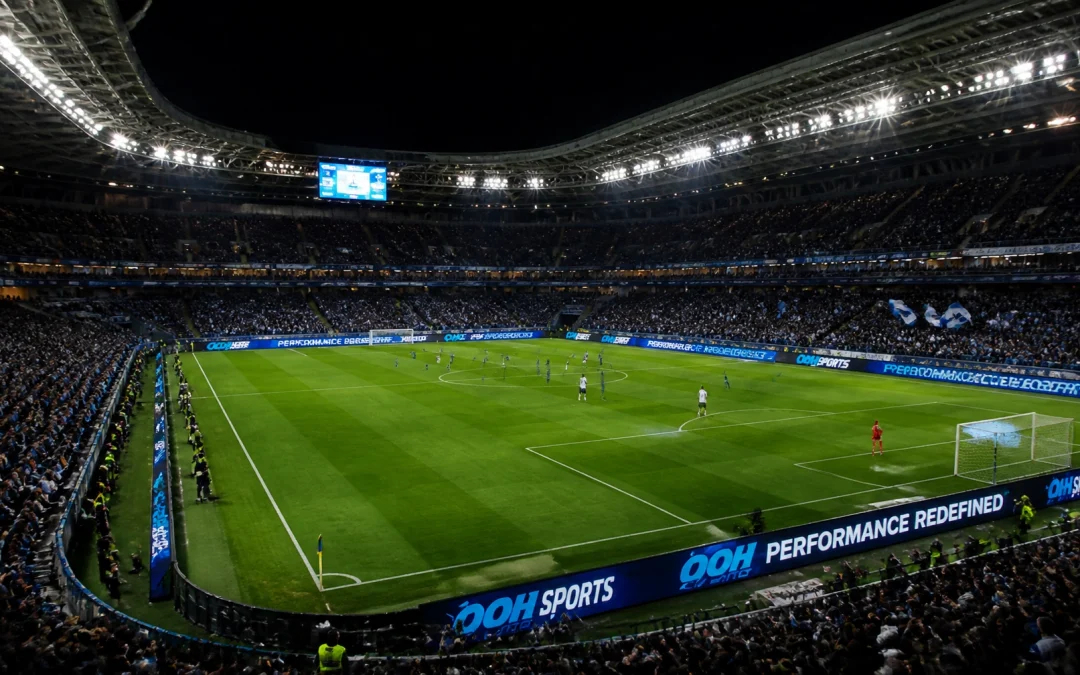
The landscape of sports marketing is no longer defined by static banners or simple logo placements. As digital out of home (DOOH) technology integrates more deeply into the athletic experience, the strategy behind stadium perimeter branding has evolved into a sophisticated science. For Chief Marketing Officers and Creative Directors, understanding the mechanics of fan engagement during a live event is the difference between background noise and a memorable brand impact.
Traditional sponsorship models often rely on broad visibility. However, the modern approach focuses on precision, timing, and the psychological state of the fan. Perimeter branding, when executed through a programmatic lens, allows brands to capture attention at the exact moment of emotional peak. This article explores the strategies and technological secrets that define high performance in the sports advertising sector.
Objective and Strategy: The High-Engagement Window
The primary objective of perimeter branding is to capitalize on the undivided attention fans pay to the field of play. Unlike television commercials that viewers may skip or ignore, perimeter boards are integrated into the live action. They exist within the frame of the game itself, ensuring that every goal, penalty, and highlight carries the brand alongside it.
The strategy involves more than just placing a logo on an LED screen. It requires a synchronized effort to match brand messaging with the rhythm of the game. Experts utilize several key tactics to ensure maximum engagement:
- Moment-Based Triggers: Aligning creative changes with specific game events like halftime, scoring plays, or video assistant referee (VAR) checks.
- Contextual Relevance: Delivering messages that resonate with the current atmosphere of the stadium, such as celebratory graphics after a home team victory.
- Frequency and Reach: Balancing the number of exposures across the 90 minutes of a match to avoid brand fatigue while maintaining top-of-mind awareness.
Technology Partners and the 10-Mile Perimeter
One of the most significant advancements in sports advertising is the move beyond the stadium walls. OOH Sports utilizes a 10-mile perimeter strategy that surrounds sports venues with a network of digital video advertising boards. This creates a "surround sound" effect for the brand, reaching fans as they commute to the game, celebrate at nearby bars, or depart the venue.

By leveraging programmatic DOOH, media buyers can automate the delivery of ads across a vast network of screens. This technology allows for real-time adjustments based on location, time of day, and even live game scores. The integration of these digital assets ensures that the brand remains visible throughout the entire fan journey, not just during the hours of play.
The Mechanics of Programmatic DOOH
Programmatic platforms enable planners to buy inventory across various categories with high efficiency. The process involves several logical steps:
- Audience Identification: Using device IDs and historical data to identify sports fans within the target radius.
- Inventory Selection: Automatically bidding on premium digital boards near the stadium and high-traffic transit hubs.
- Dynamic Delivery: Serving specific creatives based on pre-set triggers, such as the start of a game or a change in weather conditions.
- Real-Time Optimization: Adjusting the campaign budget and creative rotation based on performance data gathered during the event.
Creative Tactics: The Secret of Legibility
Creative Directors often face the challenge of designing for a fast-moving environment. A common mistake is treating a digital perimeter board like a print advertisement. In reality, the "secret" to successful perimeter branding is brutal simplicity.
Fans and broadcast cameras are rarely focused directly on the boards for long periods. Instead, the boards are perceived in the peripheral vision or during quick camera pans. Therefore, the design must prioritize high contrast and minimal text.
- Bold Typography: Using thick, sans-serif fonts that remain legible even at high speeds or from a distance.
- High Contrast Colors: Utilizing color schemes that stand out against the green of the grass or the bright stadium lights.
- Minimalist Layouts: Focusing on a single, powerful logo or a short, punchy tagline rather than multiple elements.
- Controlled Motion: Using subtle transitions or logo wipes to draw the eye without becoming a distraction to the players or the spectators.

Virtual Perimeter Technology: Localization at Scale
For global brands, a single physical board in a stadium may not be sufficient to reach diverse markets. Virtual perimeter technology has emerged as a solution that experts use to localize branding without changing the physical setup in the venue.
Through the use of infrared patterns or digital overlays on the broadcast feed, different regions can see different sponsors on the same perimeter boards. A fan watching a game in London might see an ad for a local bank, while a viewer in New York sees a promotion for a domestic beverage brand. This technology allows for a tiered sponsorship model, maximizing the revenue potential of a single match and ensuring that the content is relevant to each specific audience.
Quantifiable Results: Data-Driven Success
The shift toward digital and programmatic advertising in sports has brought a new level of accountability to the industry. Success is no longer measured solely by "eyes on the board" but by measurable brand lift and purchase intent. Data from various campaigns highlight the effectiveness of this integrated approach.
For instance, the use of programmatic DOOH has shown significant results in building brand preference and consideration. Analysis of recent campaigns indicates a high correlation between proximity-based targeting and consumer action.
| Campaign Objective | Metric Measured | Reported Increase |
|---|---|---|
| Purchase Consideration | Brand Lift Study | 74% increase (e.g., White Claw) |
| Positive Brand Image | Perception Tracking | 119% lift (e.g., Mike's Hard Iced Tea) |
| Purchase Intent | Consumer Survey | 144% increase (e.g., Sea-Doo) |
These results are often validated through brand lift studies and the tracking of exposed device IDs. By comparing a control group with an exposed group, marketers can determine the exact impact of the perimeter and surrounding DOOH ads on consumer behavior.

Strategy for Long-Term Impact
To maintain a competitive edge, brands must move away from the "one and done" sponsorship mentality. A successful perimeter branding strategy is an evergreen process that involves continuous refinement. By analyzing the share of screen time and the duration of logo visibility during high-value moments, planners can optimize their creative rotation for future games.
The combination of in-stadium presence, 10-mile radius targeting, and programmatic flexibility creates a robust framework for fan engagement. It ensures that the brand is not just seen, but is also associated with the passion and excitement of the sport itself.
Execution and Logistics
The implementation of a comprehensive sports DOOH campaign requires coordination between several parties, including media agencies, technology providers, and venue operators. The process typically follows a structured timeline:
- Planning Phase: Defining the target audience and selecting the relevant sports venues and surrounding digital boards.
- Creative Development: Designing assets that meet the technical specifications of LED perimeter systems and city-wide DOOH screens.
- Deployment: Uploading creatives to the programmatic platform and setting the triggers for real-time delivery.
- Monitoring: Using real-time dashboards to track delivery and ensuring that the branding is appearing as scheduled during the event.
- Post-Campaign Analysis: Gathering data on reach, frequency, and brand lift to inform future marketing decisions.
By adhering to these professional standards and leveraging the latest in advertising technology, brands can unlock the true potential of sports marketing. The secrets of perimeter branding are found in the intersection of high-quality design, strategic placement, and rigorous data analysis.