
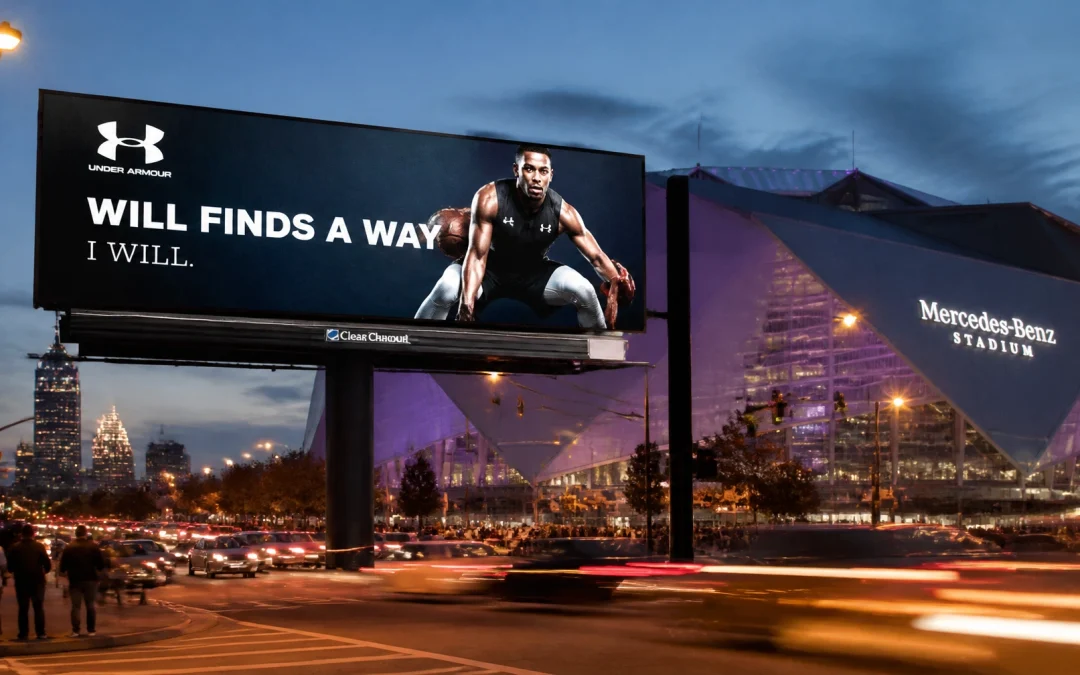
Digital Out of Home (DOOH) advertising has undergone a significant transformation, particularly within the sports sector. This evolution has shifted the medium from static, long-term placements to dynamic, data-driven activations that capture fans at the height of their emotional engagement. For media buyers and brand managers, understanding the mechanics of sports DOOH innovation is no longer optional. It is a critical component of a comprehensive media strategy.
The modern sports fan journey is non-linear. It begins at home, transitions through transit routes, intensifies around the stadium, and concludes in social hubs or digital environments. Effective sports marketing requires a presence at every one of these touchpoints. This guide outlines the strategic framework, technological requirements, and measurement methodologies necessary to execute a successful sports DOOH campaign.
Objective & Strategy
The primary objective of any sports-centric DOOH campaign is to capitalize on the high-intent environment of live sports. Fans attending games or watching in public spaces are more likely to notice and respond to relevant messaging. A well-executed strategy focuses on three core pillars: timing, location, and context.
Strategic planning must account for the entire sports calendar. While major events like the World Cup or championship games offer massive reach, always-on strategies allow brands to maintain visibility throughout the season. By aligning campaign flights with specific team schedules or local rivalries, brands can achieve hyper-relevance.
Another key objective involves the integration of DOOH into an omnichannel funnel. Digital billboards are frequently used to drive upper-funnel awareness, which is then reinforced through retargeting on mobile devices or Connected TV (CTV). This approach ensures that the brand remains top-of-mind long after the fan has left the stadium.
Technology Partners
Innovation in DOOH is powered by a robust ecosystem of technology partners. These platforms enable programmatic buying, which allows for the same level of precision and flexibility found in digital display advertising.
- Demand-Side Platforms (DSPs): Platforms like StackAdapt provide the interface for buyers to bid on inventory in real time. These tools allow for sophisticated targeting based on geographic coordinates, time of day, and even weather conditions.
- Supply-Side Platforms (SSPs): Companies such as Vistar Media and Place Exchange aggregate inventory from various media owners. This provides a single point of access to a vast network of screens, including large-format billboards, transit shelters, and in-venue displays.
- Data Providers: Third-party data is essential for understanding audience movement patterns. By analyzing anonymized location data, technology partners can identify when and where high concentrations of sports fans are likely to be present.
The use of programmatic DOOH represents a shift away from traditional direct buys. It offers the ability to pause, pivot, or scale campaigns instantly based on real-time performance or external triggers such as game scores.

Strategy: The 10-Mile Perimeter
One of the most effective tactics in sports marketing is the implementation of a 10-mile perimeter strategy. This involves saturating the digital inventory within a 10-mile radius of a sports venue. This geographic focus ensures that fans are exposed to the brand message multiple times during their journey to the game.
The 10-mile perimeter encompasses several key environments:
- Arterial Roadways: Large-format digital billboards reach fans as they drive toward the arena.
- Public Transit: Screens in train stations and bus shelters engage fans using public transportation.
- Retail and Dining: Digital screens in convenience stores, pharmacies, and restaurants near the stadium capture fans during last-minute errands or pre-game meals.
This localized saturation creates a "surround-sound" effect. When a fan sees the same brand on a roadside billboard, a transit shelter, and a Sportron screen inside a sports bar, the perceived scale of the brand increases significantly. This strategy is particularly effective for challenger brands looking to compete with official sponsors without the high cost of a formal sponsorship deal.
Creative Execution
Innovation in creative execution is what separates a standard campaign from a memorable one. Static images are increasingly being replaced by Dynamic Creative Optimization (DCO). DCO allows brands to serve different creative variations based on real-time data feeds.
In a sports context, creative can be triggered by:
- Live Scores: If a local team is winning, the creative can update instantly to congratulate the team or offer a celebratory promotion.
- Countdown Clocks: Digital boards can display a live countdown to kickoff, creating a sense of urgency and excitement.
- Weather Conditions: If it begins to rain during an outdoor event, the creative can pivot to promote rain gear or indoor dining options.
- Social Media Integration: Real-time fan tweets or photos can be curated and displayed on digital boards, fostering a sense of community.
Creative should be bold, simple, and legible from a distance. Since DOOH is often consumed while in motion, the messaging must be clear within a few seconds. High-contrast colors and minimal text are recommended for maximum impact.

Results & Measurement
The ability to quantify the impact of a campaign is a hallmark of modern DOOH. Brands no longer rely on estimated impressions alone. Advanced measurement frameworks now allow for the tracking of real-world outcomes.
Brand Lift and Awareness
Studies have shown that programmatic DOOH delivers significant increases in brand metrics. For example, a campaign for AB InBev’s Mike’s Hard Iced Tea resulted in a 119% lift in positive brand image. Similarly, a campaign for White Claw achieved a 74% lift in purchase consideration for a new product launch.
Purchase Consideration
The impact on the lower funnel is also measurable. A digital OOH campaign for Sea-Doo led to a 144% increase in purchase consideration. These results demonstrate that DOOH is not just an awareness tool; it is a driver of intent.
Footfall Attribution
By utilizing anonymized mobile device IDs, advertisers can determine if individuals exposed to a DOOH ad subsequently visited a retail location or the stadium itself. This "exposed vs. unexposed" methodology provides a clear picture of how much foot traffic was directly influenced by the advertising.
Digital Response
Advertisers can also measure the "halo effect" of DOOH on digital channels. This includes tracking increases in website visits, app downloads, or social media mentions during and immediately after a DOOH flight. Real-time sports betting campaigns often use this data to optimize their digital spend in tandem with physical screen activations.

Conclusion
Sports DOOH innovation provides an unparalleled opportunity for brands to connect with highly engaged audiences. By moving away from static placements and embracing a data-driven, programmatic approach, media buyers can achieve higher ROI and more meaningful brand connections.
The combination of a 10-mile perimeter strategy, advanced technology partnerships, and dynamic creative ensures that a brand is not just seen, but remembered. As the sports marketing landscape continues to evolve, the integration of DOOH into the broader media mix will remain a cornerstone of successful campaign planning. Whether the goal is to drive awareness during a tournament or increase purchase consideration for a new product, the tools and strategies are now available to win in the world of sports advertising.